Cosmetic Dentistry in Plano TX: Veneers, Whitening and More

June 3, 2026

Improving the appearance of your smile does not require major surgery or a complicated multi-year process. For most patients, what it takes is an honest picture of the available options, a clear conversation about what fits their dental health, and a provider who explains costs upfront. As a top cosmetic dental clinic in Plano, TX, Westpark Village Dental Care offers a full range of services for expert smile enhancement, including porcelain veneers, professional teeth whitening, and clear aligners, all handled in-house by Dr. Jordan Hardin, DDS. 


What Cosmetic Dentistry Can Actually Do

Cosmetic dentistry covers any dental treatment that improves the way your teeth look. That includes changes to color, shape, size, spacing, and alignment. Some treatments are purely aesthetic. Others, like veneers or clear aligners, also address functional concerns such as chips, worn edges, or crowding that affects how well you can clean your teeth.

Not every cosmetic concern requires the same solution. A patient bothered by minor discoloration has different options than someone dealing with cracked teeth, uneven edges, or significant spacing issues. We take time at every consultation to understand what is actually bothering you before recommending anything. You can learn more about Dr. Hardin’s training and approach to understand what guides those recommendations.


Porcelain Veneers

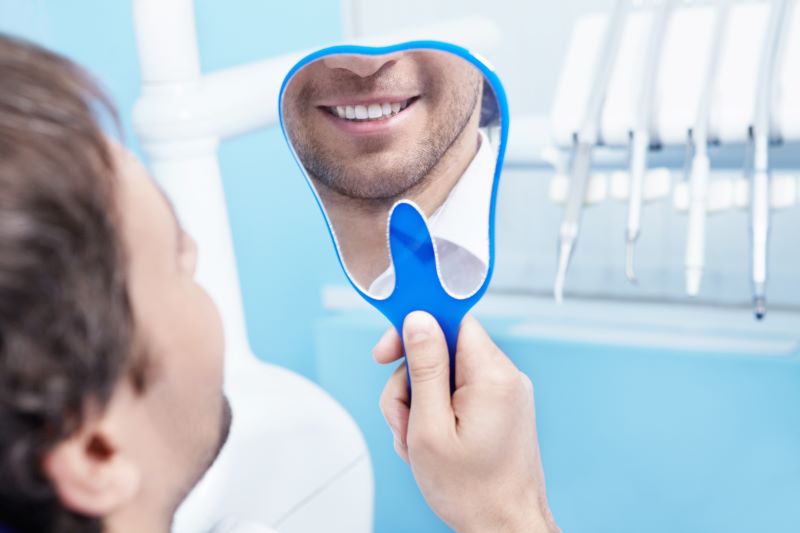
Porcelain veneers are thin ceramic shells bonded to the front surface of the teeth. They can change the color, shape, or size of a tooth and cover chips, cracks, staining that does not respond to whitening, minor gaps, and teeth that are worn down or uneven. A full set of veneers can dramatically change the entire appearance of a smile in a way that most other treatments cannot match on their own.

The process involves two appointments. At the first, a small layer of enamel is removed to make room for the veneer, and an impression is sent to a dental lab. At the second, the custom veneer is bonded to the tooth. Because enamel removal is required, the decision to get veneers is permanent. Your tooth will always need some form of coverage after that point. Porcelain veneers typically last 10 to 15 years or longer with proper care.

If you want to explore whether porcelain veneers are the right fit for your smile goals, a consultation is the best starting point. Dr. Hardin reviews your dental health, discusses your goals, and gives you a clear picture of what the outcome would realistically look like.


Professional Teeth Whitening

Professional teeth whitening is a fast, non-invasive option for patients whose primary concern is tooth color. The professional-grade whitening gel we use in-office has a significantly higher concentration than anything available over the counter, which means results that would take weeks with a drugstore kit can often be achieved in a single appointment.

Before recommending whitening, we check for issues that could affect the treatment or outcome, including sensitivity, existing restorations, and gum health. Whitening does not change the color of crowns, veneers, or fillings, so patients with visible restorations should know that only the natural teeth around them will respond to treatment. For patients who are good candidates, in-office whitening is one of the most efficient cosmetic options available.

We also offer take-home options for patients who prefer a more gradual approach or want to maintain results after an in-office session. Full details are on our teeth whitening page.


Clear Aligners for a Straighter Smile

Crooked, crowded, or spaced teeth affect more than appearance. Misalignment can make proper brushing and flossing harder, contribute to uneven wear, and affect bite function over time. Clear aligners correct these issues using a series of custom-made removable trays worn over the teeth, gradually shifting them into the desired position without brackets or wires.

Dr. Hardin is a member of the American Academy of Clear Aligners, a professional association focused on standards and ongoing education in aligner-based care. We offer clear aligner treatment in-house, meaning no referral to a separate specialist and consistent care from the same provider throughout the process. New patients currently receive $1,000 off clear aligner treatment.

Full details on the treatment process, how long it takes, and who is a good candidate are on our orthodontics page.


Who Is a Good Candidate for Cosmetic Work?

Most adults with healthy teeth and gums are candidates for at least one type of cosmetic treatment. The key condition is a healthy foundation. Active decay, gum disease, or bone loss needs to be addressed before any cosmetic work begins. Cosmetic treatment built on an unhealthy foundation does not last, and it may mask problems that continue to worsen without attention.

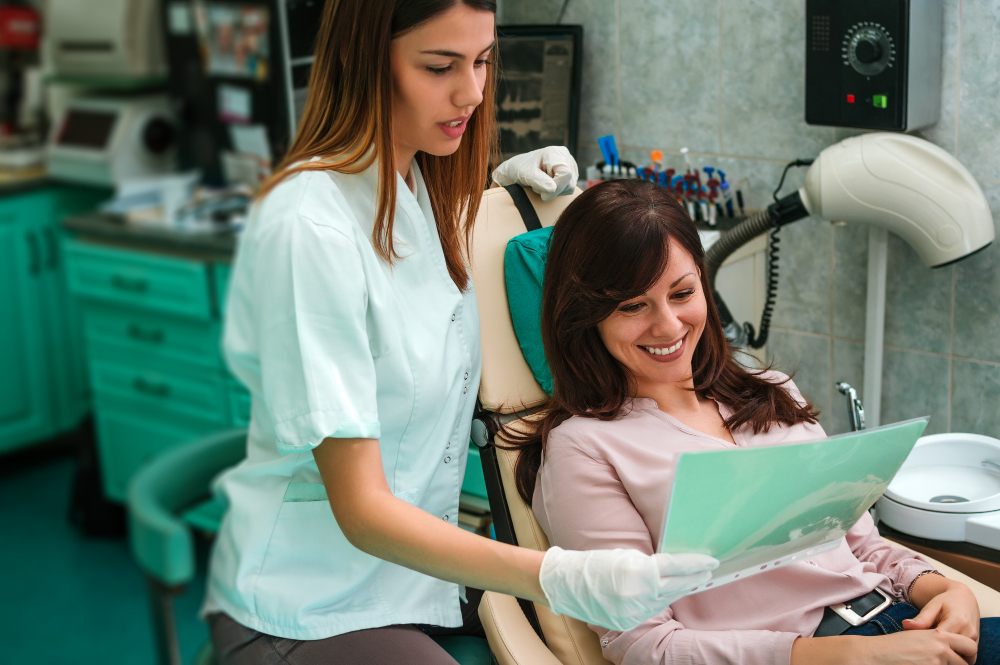
A pre-treatment evaluation is part of the process at our office. We look at the overall condition of your teeth and gums, talk through your goals, and explain what each relevant option actually involves before anything is scheduled. There is no pressure to commit at a first appointment. That visit exists to give you enough information to make a decision you feel confident about.


How We Make Cosmetic Care Affordable

Most dental insurance plans classify cosmetic dentistry as elective and do not cover it. That said, it does not have to be out of reach. We offer four ways to pay: dental insurance for any portion that may apply, our in-house Membership Plan that gives patients 15 percent off all services for $36 a month, third-party financing through CareCredit, Cherry, and Lending Club, and direct in-house financing through our practice.

If a full smile makeover is the goal but the budget needs to be phased, we can build a plan that works in stages. All fees are discussed before any treatment begins. There are no hidden charges.


Related Topics:

Teeth Whitening Options in Plano TX: In-Office vs At-Home

Not every whitening option delivers the same result, and not every patient needs the same approach. Getting quality dental care means finding a treatment that actually fits the person sitting in the chair, whether that is the fastest possible change before a big event, a gradual lift someone can work through on their own schedule, or a simple touch up on results already achieved. Working with a reputable dental clinic helps you weigh the right path based on your goals, the current shade and condition of your teeth, and any oral health factors that should be addressed first.

At Westpark Village Dental Care in Plano, TX, we offer professional in-office whitening as part of our cosmetic dental services. We also walk patients through all their options before recommending any specific path.


What In-Office Whitening Involves

In-office teeth whitening is performed at our dental office in a single appointment that typically takes about an hour. We start by applying a protective barrier to the gums, then apply a professional-grade peroxide gel to the teeth. The concentration of the whitening agent is significantly higher than what is available in any store-bought product, which is why the results are faster and more significant.

Patients who choose in-office whitening see a visible difference after one session. For anyone with a specific timeline or who wants the most noticeable result in the least amount of time, in-office treatment is the more direct path. It is also the option that involves the most oversight, since we evaluate your dental health beforehand and monitor the entire process. Results from in-office whitening typically last six months to two years, depending on diet, habits, and how well you maintain your teeth between visits.


What At-Home Whitening Involves

At-home whitening comes in two forms: products dispensed by a dentist and products purchased over the counter without any professional involvement. Understanding the difference between these matters before deciding which route to take.

Dentist-dispensed take-home kits include custom-fitted trays made from an impression of your teeth, paired with a whitening gel that has a higher concentration than anything sold at a pharmacy. Patients wear the trays for a prescribed amount of time each day, typically over one to two weeks. The process is more gradual than in-office treatment but can produce comparable results when followed consistently.

Over-the-counter products, including strips, pre-formed trays, and paint-on gels, use much lower concentrations of the active ingredient. They can produce modest improvements for patients whose teeth are already in a lighter range and are useful for maintenance after professional whitening. As a primary whitening method, they are generally less effective than professionally supervised options.


How the Results Compare

In-office whitening produces the fastest and most noticeable results. Dentist-dispensed take-home kits can match those results over a longer period with consistent use. Over-the-counter products produce more limited results and vary considerably by brand, formula, and the individual’s starting shade.

The longevity of any whitening result has more to do with habits than with the method used. Coffee, tea, red wine, tobacco, and dark sauces accelerate re-staining. Patients who attend regular dental cleanings and are mindful of staining foods tend to hold their results longer, regardless of which whitening method they started with.


Who Should See a Dentist Before Starting Any Whitening

Anyone with tooth sensitivity, gum recession, exposed root surfaces, untreated decay, or visible dental restorations should speak with a dentist before beginning any whitening treatment. Whitening agents do not change the color of crowns, veneers, fillings, or bonding, and applying the gel to compromised gum tissue can cause significant discomfort.

We evaluate every patient’s dental health before recommending whitening. If whitening is not appropriate for where your teeth are right now, we tell you that directly and explain what to address first. If it is a good fit, we walk you through what the process looks like and what results are realistic based on the current condition of your teeth.


Combining Whitening with Other Cosmetic Treatments

Whitening is often one part of a broader cosmetic plan. Patients pursuing porcelain veneers, for example, should whiten first if they want the veneers shade-matched to a brighter color. Veneers do not respond to whitening agents after they are placed, so the order of treatments matters when both are on the table.

Similarly, patients who want clear aligners to correct spacing or crowding may prefer to whiten after treatment is complete, once the teeth are in their final position. If you have more than one cosmetic goal in mind, we can help you think through the right sequence so each treatment builds on the last.


Which Option Is Right for You?

If speed matters most, in-office whitening is the better choice. If you prefer to whiten on your own schedule over a couple of weeks, a dentist-dispensed take-home kit may be a better fit. If your goal is light maintenance after professional whitening, an over-the-counter product is a reasonable option. If you have any dental health concerns or visible restorations, start with a consultation before trying any whitening product.


Related Topics:

What Are Dental Veneers? Materials, Costs, and Lifespan

Dental veneers are one of the most effective professional dental solutions for changing the way your teeth look, which is why many people sit down with a cosmetic dentist before committing to them. A single veneer can cover a chip, reshape an uneven tooth, or fix a stain that whitening cannot reach. A full set can change the entire appearance of a smile. Since veneers involve permanently altering the natural tooth surface, they are also one of the bigger cosmetic decisions a patient will make.

Knowing what veneers are made of, how long they last, how the process works, and what they cost helps you walk into a consultation with the right questions and a clear sense of what to expect.


What Dental Veneers Are and How They Work

A dental veneer is a thin shell bonded to the front surface of a tooth. It covers whatever is visible when you smile, which means it can address discoloration, shape irregularities, chips, cracks, minor gaps, and teeth that appear too small or uneven. Veneers are a front-facing restoration. They do not change the biting surface or the back of the tooth.

Placing a veneer requires removing a small amount of enamel from the tooth surface to create room for the shell to sit flush and bond securely. Because enamel does not grow back, getting veneers is a permanent decision. Your tooth will always require a veneer or some form of restoration after the enamel is prepared. This is worth knowing clearly before agreeing to treatment, and it is something we explain thoroughly before any work begins.

At Westpark Village Dental Care, Dr. Jordan Hardin, DDS evaluates your oral health and discusses your goals before recommending veneers. You can learn more about his approach through our cosmetic dentistry page.


What Materials Are Dental Veneers Made Of?

The two most common veneer materials are porcelain and composite resin. Each has distinct characteristics that make it a better fit for different patients and goals.

Porcelain is the more widely used option for long-term veneers. It is durable, stain-resistant, and reflects light in a way that closely resembles natural tooth enamel, making the result look convincingly real. Porcelain veneers are made in a dental lab from an impression of your teeth, which means the process takes at least two appointments. The first visit involves preparing the tooth and taking the impression. The second is when the finished veneer is bonded in place.

Composite resin veneers can sometimes be completed in a single appointment. The composite material is applied directly to the tooth and shaped chair-side by the dentist. They are generally less expensive than porcelain but also less durable and more prone to staining over time. Composite veneers can be a reasonable option for patients who want a faster result, are not yet ready to commit to porcelain, or want to preview the change before making a more permanent decision.


How Long Do Dental Veneers Last?

Porcelain veneers typically last 10 to 15 years, and often longer with proper care. Composite resin veneers generally last 5 to 7 years before they may need to be repaired or replaced.

Several factors determine how long veneers hold up in practice. Teeth grinding puts significant stress on the bonding and the veneer itself. Patients who grind are good candidates for a nightguard to protect their investment. Biting into hard objects like ice, hard candy, or bottle caps can chip or crack the shell. Habits like nail biting or using your teeth as tools work against the longevity of the restoration.

Patients who attend regular dental checkups and cleanings, wear a nightguard if indicated, and avoid habits that stress the teeth tend to get the most years out of their veneers.


How Much Do Dental Veneers Cost?

The cost of veneers depends on the material used, how many teeth are being treated, and the complexity of the case. Porcelain veneers cost more than composite because of the lab fabrication involved. A single veneer costs considerably less than a full set treating the entire visible smile.

We discuss all costs before any treatment is scheduled. There are no hidden charges. For patients who need help managing the cost, we offer third-party financing through CareCredit, Cherry, and Lending Club, as well as direct in-house financing through our practice. Patients enrolled in our in-house Membership Plan receive 15 percent off all services, which includes cosmetic work.

Most dental insurance plans classify veneers as elective and do not cover them. If insurance is a factor, we can review what your specific plan covers during the consultation so there are no surprises.


How to Know If Veneers Are Right for You

Veneers are a strong option for patients who want lasting improvement to the appearance of their teeth and whose underlying dental health is in good shape. They are not the right fit for patients with active gum disease, significant decay, or substantial structural damage, where a crown would be a more appropriate choice. Patients with severe grinding habits may also need to address that issue before or alongside any veneer treatment.

The most direct way to find out whether veneers fit your situation is a consultation. Dr. Hardin looks at your teeth, talks through your goals, and explains what is realistic given your dental history before anything is decided. If veneers are not the right fit, he will tell you that and walk you through what alternatives make more sense for your specific case.


Related Topics:

Invisalign vs Braces in Plano TX: Which Is Better?

Straightening teeth used to mean one option: traditional metal braces worn for one to three years. That is no longer the case. Clear aligners have become a popular alternative for adults and teens who want to correct alignment problems without the look and upkeep demands of brackets and wires. At our modern dental clinic in Plano, TX, we offer advanced dental treatments that include both methods, and both approaches work. Which one works better depends on the specific teeth being corrected, the patient’s lifestyle, and the goals of treatment.

At Westpark Village Dental Care in Plano, TX, Dr. Jordan Hardin, DDS, offers clear aligner treatment in-house. He is a member of the American Academy of Clear Aligners, a professional association dedicated to standards and education in aligner-based orthodontic care.


How Clear Aligners Work

Clear aligners are a series of custom-made removable plastic trays worn over the teeth. Each tray is slightly different from the last, applying gentle, controlled pressure to move the teeth gradually toward the desired position. Patients switch to a new tray on a prescribed schedule, typically every one to two weeks, until the treatment plan is complete.

Because the trays are removable, patients take them out to eat, drink anything other than water, and clean their teeth. They need to be worn for 20 to 22 hours per day to stay on schedule. Falling significantly short of that wear time slows down treatment or produces results that fall short of the original plan.

Treatment length varies depending on the complexity of the case. Many adults complete clear aligner treatment in 12 to 18 months. Invisalign is the most widely recognized brand of clear aligners. Our office offers clear aligner treatment that follows the same principle: custom trays, planned tooth movement, and a defined endpoint. Full details on what our treatment involves are on our orthodontics page.


How Traditional Braces Work

Traditional braces use metal brackets bonded to the tooth surface, connected by a wire that the dentist adjusts periodically. Each adjustment applies controlled pressure that moves the teeth in planned increments. Unlike aligners, braces are fixed and cannot be removed by the patient during treatment.

Because they are permanently in contact with the teeth throughout the process, braces work continuously without depending on the patient to follow a wear schedule. This is a meaningful advantage for patients who might struggle to keep removable trays in for the required hours each day. Braces are also better suited for certain complex bite corrections that clear aligners cannot address as effectively.

Treatment time with traditional braces typically ranges from 18 months to three years, depending on the complexity of the correction needed.


Comfort and Daily Experience

Most patients find clear aligners more comfortable than braces. The smooth plastic trays do not have brackets or wires that can irritate the inside of the cheeks and gums. There are no emergency appointments for a broken bracket or a poking wire. Eating has no restrictions since the trays come out at mealtimes, so nothing is off the menu during treatment.

The tradeoff is discipline. Clear aligners only work when they are being worn. Patients who remove them too often or forget to switch to the next tray on schedule slow their own progress down without realizing it at first.

Braces require more dietary adjustment. Hard, sticky, and crunchy foods can damage brackets and wires. Cleaning around the hardware is more involved than brushing and flossing without it. Most patients experience some soreness after adjustments, particularly in the first few days of wearing a new wire configuration.


Which Option Works Better for Different Cases?

Clear aligners are well-suited for mild to moderate alignment concerns including crowding, spacing, and some bite corrections. They are a strong choice for adult patients who want discreet treatment and can commit to the required daily wear time.

Traditional braces are generally more appropriate for complex corrections, including significant bite misalignment, severe crowding, or cases where precise tooth rotation or vertical movement is needed. For younger patients who may not reliably wear removable trays for the required hours, braces remove that variable from the equation entirely.

There is no universal answer about which option is better. The right choice depends on your specific teeth, your lifestyle, and your treatment goals. Dr. Hardin reviews each case and explains honestly which path is likely to produce the best outcome before any commitment is made.


Cost of Clear Aligners vs Braces in Plano TX

The cost gap between clear aligners and traditional braces is smaller than most patients expect. Both options fall in a similar range for straightforward cases, with more complex cases costing more regardless of which method is used. The final number depends on the complexity of the correction, the length of treatment, and whether refinement trays are needed at the end of aligner treatment.

We currently offer $1,000 off clear aligner treatment for new patients. We also offer four ways to manage the cost: dental insurance where applicable, our in-house Membership Plan that gives patients 15 percent off all services for $36 a month, third-party financing through CareCredit, Cherry, and Lending Club, and direct in-house financing through our practice. All fees are discussed before any treatment begins.


What a Consultation Looks Like

An orthodontic consultation at our office starts with a review of your teeth and bite. We take any necessary imaging, discuss what is happening with your alignment, and explain which treatment options are appropriate for your case and why. If clear aligners are a fit, we walk through what the treatment involves, how long it is likely to take, and what it will cost.

There is no pressure to make a decision at the first appointment. The goal of that visit is to give you a complete picture of your options so you can choose what makes sense for your teeth and your life. New patients can take advantage of our current $1,000 off clear aligner offer when they are ready to move forward.


Related Topics:

Is Teeth Whitening Safe at Dental Clinics in Plano, TX?

Professional teeth whitening ranks among the most requested cosmetic treatments at any top-rated dental clinic in Plano, TX, and it is also one of the most misunderstood. Patients often ask whether the procedure is safe, whether it works on their type of staining, and how in-office results compare with what a drugstore kit produces. The short answer is that in-office whitening is safe for most healthy adults with natural teeth. The longer answer depends on your oral health, the strength of the whitening agent, and the preparation and aftercare suited to your teeth, which is why patients tend to trust a practice known for the best dental care over a one-size-fits-all kit. 


What Is Professional Teeth Whitening?

Professional teeth whitening uses a peroxide-based gel applied directly to the tooth surface. The concentration of the active ingredient is higher than anything available over the counter, which is why in-office results are faster and more noticeable than what most at-home products can produce. A trained dentist evaluates your teeth beforehand, protects the gum tissue before applying the gel, and monitors the process throughout.

At our Plano office, teeth whitening is one of several cosmetic dental services we offer for patients who want to improve their smile without major treatment. It is a relatively straightforward procedure for the right candidate, and a consultation tells us quickly whether you are one.


How Is Clinic Whitening Different from Store-Bought Kits?

The main difference is concentration. Over-the-counter products, including strips, trays, and paint-on gels, typically contain 3 to 10 percent hydrogen peroxide or carbamide peroxide. Professional in-office treatments use concentrations that can reach 25 to 40 percent. That gap is why a single appointment can produce results that take weeks to achieve at home, if they are achievable at all with a consumer product.

The other difference is supervision and preparation. When whitening is done at a dental office, the dentist examines the teeth for existing sensitivity, decay, or restorations that could affect the outcome or cause discomfort. The gums are covered with a protective barrier before the gel goes on. The treatment is timed and monitored. None of that happens when a patient uses a drugstore kit on their own.


Is Teeth Whitening Safe for Everyone?

For most healthy adults with natural teeth, yes. For some patients, it is not the right choice, at least not without addressing other issues first. Teeth whitening is not recommended for patients with untreated tooth decay, active gum disease, severe gum recession, or exposed root surfaces. It is also not recommended for pregnant patients or children under 16.

Patients with crowns, bridges, veneers, or tooth-colored fillings should know that whitening agents do not change the color of dental materials. Only natural enamel responds to peroxide-based whitening. If you have restorations in visible areas, the natural teeth around them may lighten while the restorations stay the same shade, creating an uneven result. We discuss this before recommending treatment.


What Are the Most Common Side Effects?

Temporary tooth sensitivity is the most common side effect. It typically occurs during or shortly after treatment and resolves for most patients within 24 to 48 hours. Some patients experience mild gum irritation if the whitening gel contacts soft tissue, though the protective barrier applied before treatment minimizes this significantly.

Serious side effects from professionally supervised whitening are rare. The risks go up considerably when patients use high-concentration products at home without any dental evaluation, which is one reason professional oversight matters. The American Dental Association recommends that patients have a dentist examine their oral health before starting any whitening treatment.


What Does the Whitening Process Look Like at Our Office?

We start with a review of your dental health to confirm whitening is appropriate for you. If your teeth and gums are in good shape and there are no contraindications, the in-office treatment typically takes about an hour. We apply the protective barrier to the gums, apply the whitening gel to the teeth in timed intervals, and monitor the process from start to finish.

Results vary based on the original shade of the teeth, the nature of the staining, and the individual’s enamel. Most patients see a noticeable improvement after a single appointment. We can also discuss take-home options if you want to maintain or extend your results after an in-office session. Our full range of cosmetic treatments is available for patients who have broader smile goals beyond whitening alone.


How Long Do Whitening Results Last?

Results from professional whitening typically last between six months and two years, depending on your diet, habits, and how well you maintain your teeth between visits. Foods and drinks that stain, including coffee, tea, red wine, and dark sauces, accelerate re-staining. Tobacco use shortens results significantly. Patients who attend regular dental cleanings tend to hold their results longer.

If you are considering whitening alongside other cosmetic work, such as porcelain veneers, the sequencing matters. Veneers are shade-matched at the time they are placed, so whitening should happen before placement if both are part of the plan.


Frequently Asked Questions About Teeth Whitening

The questions below reflect what patients ask us most often before booking a whitening appointment. The answers reflect how we evaluate each case and what our approach looks like at our Plano office.


Is teeth whitening safe for sensitive teeth? It can be, depending on the cause and severity of the sensitivity. We evaluate every patient before recommending whitening. If sensitivity is present, we may suggest a lower concentration formula, a desensitizing treatment beforehand, or a different approach entirely. The goal is a result you are comfortable with, not just a fast one.


How much does professional teeth whitening cost in Plano, TX? The cost varies depending on the type of treatment and how many sessions are involved. We provide fee information before any treatment begins so there are no surprises. Patients enrolled in our in-house Membership Plan receive 15 percent off all services, which applies to whitening as well.


Will whitening work on crowns or veneers? No. Whitening agents do not affect the color of crowns, veneers, dental bonding, or fillings. Only natural tooth enamel responds to peroxide-based whitening. If you have restorations you want to match to a lighter shade, that requires replacing the restorations, not whitening them.


Can I whiten my teeth if I have gum disease? No. Active gum disease should be treated before any whitening treatment. Applying whitening gel to inflamed or compromised gum tissue causes significant irritation. We screen for gum health as part of the evaluation before recommending any cosmetic treatment.


Contact Us


We’re here to help you achieve a healthy, confident smile. Whether you’re scheduling your first visit or have questions about our services, our friendly team is here to assist you.

Our Office: 1820 Coit Road, Suite 145, Plano, TX 75075
Call Us: (972) 964-8989
Email Us: staff@wpvdental.com
Office Hours:

  • Monday: 8:00 am – 5:00 pm
  • Tuesday: 8:00 am – 2:00 pm
  • Wednesday: 8:00 am – 5:00 pm
  • Thursday: 9:00 am – 6:00 pm
  • Friday: Closed
  • Saturday: 8:00 am – 1:00 pm
  • Sunday: Closed

Schedule your appointment easily through our online booking system.


Related Topics:

Complete Guide to Preventive Dental Care in Plano TX

April 29, 2026

Preventive dental care is the foundation of long-term oral health, and as a leading dental clinic in Plano, we see firsthand how often patients misunderstand what it really involves beyond “go twice a year.” Prevention covers far more than routine checkups, and getting it right early makes a real difference over time. This guide walks through what preventive care actually involves, who needs what, and how we handle it at our Plano office. 


What Is Preventive Dental Care?

Preventive dental care refers to the routine procedures and habits that stop dental problems before they start, or catch them early enough that treatment stays straightforward and affordable.

At its core, it includes professional cleanings, dental checkups, X-rays, and oral cancer screenings. It also includes guidance on home care and habits that affect oral health. Done consistently, preventive care is the most effective way to avoid costly restorative work later.

We offer a full range of preventive dental care at our Plano office, available for patients of all ages.


What Happens at a Preventive Dental Visit?

A standard preventive visit at our office has several components, each with a specific purpose.

The professional cleaning comes first. A dental hygienist removes plaque and tartar from the surfaces of your teeth and along the gumline. No amount of home brushing or flossing removes everything, and buildup left in place eventually leads to cavities and gum disease.

Digital X-rays are taken at appropriate intervals to check for decay between teeth, bone loss, and other issues that are not visible during a visual exam. Our X-rays are high-resolution and take seconds.

Dr. Jordan Hardin then performs a thorough oral exam, checking every tooth for decay or structural issues, evaluating the health of the gums and soft tissues, and looking for signs of oral cancer. He reviews your X-rays and discusses anything worth addressing before it becomes a larger problem.


How Often Do You Need Preventive Care?

For most patients, twice a year is the right cadence. That means one visit every six months, two per year.

Some patients need to come in more frequently. Active gum disease, a history of frequent cavities, dry mouth, smoking, or certain health conditions such as diabetes can all require three to four visits per year. Others with consistently clean bills of oral health may be able to maintain annual visits, though twice a year remains the standard.

Dr. Hardin sets the frequency based on your actual situation during your exam, not a policy applied to everyone.


Preventive Care for Children

Children should begin dental visits by their first birthday or when their first tooth appears. Baby teeth hold space for permanent teeth and affect speech development. Untreated decay in baby teeth causes pain and can affect the adult teeth developing underneath.

Early visits also establish comfort with the dental chair. Children who see the dentist regularly from a young age tend to have far less anxiety as adults. Families in Plano can bring everyone to our office on Coit Rd, seen by the same doctor at every visit.


Preventive Care for Adults and Seniors

Adults benefit from consistent preventive care for reasons that go beyond cavity prevention. Regular checkups catch gum disease in its earliest stages, when it is reversible. They also pick up signs of oral cancer, teeth grinding, jaw issues, and changes in bone density that become more significant with age.

For seniors, dry mouth from medications, receding gums, and root decay become more common. More frequent cleanings and closer monitoring are often part of the preventive care plan we recommend for older patients.


What Is Included in an Oral Cancer Screening?

Oral cancer screenings are part of every routine exam we do. Dr. Hardin checks the lips, tongue, inner cheeks, gums, throat, and surrounding tissues for any unusual changes, sores, or discolorations that may warrant attention.

Oral cancer is highly treatable when caught early and far more difficult to treat when it is not. Most patients do not realize this screening is happening because it takes only a couple of minutes and requires no special equipment beyond a visual exam.


What Does Preventive Dental Care Cost in Plano TX?

A standard cleaning and checkup generally runs between $200 and $350, depending on the patient’s dental health and which X-rays are needed. Dental insurance covers all or most of this cost for most patients, since most plans treat preventive care as a covered benefit.

For patients without dental insurance, our in-house Membership Plan is built specifically for this situation. For $36 per month per person, it includes two exams, two professional cleanings, and two sets of X-rays per year, with no waiting period, no deductible, no annual maximum, and no claim forms. All other dental services are discounted by 15%.

About 35% of our patients do not carry dental insurance. The Membership Plan was created so that cost is not the reason someone skips preventive care.


The Link Between Oral Health and Overall Health

Oral health and general health are connected in ways many patients are not fully aware of. Gum disease has been linked to increased risk of heart disease, stroke, and complications in patients with diabetes. Bacteria from the mouth can enter the bloodstream and affect other systems in the body.

This is part of why we take preventive care seriously and explain the connection clearly during exams. Keeping teeth and gums healthy is not just about your smile.


Why Choose Our Plano Office for Preventive Care?

We are a privately owned, doctor-led practice. Dr. Hardin is the owner and the treating dentist. He is the person who sees you at your cleaning, your checkup, your crown, and your emergency visit. That continuity is rare at high-volume chains where patients see a different associate each time.

Our team speaks eight languages: English, Spanish, Tagalog, Punjabi, Urdu, Hindi, Kurdish, and Chinese. For patients who prefer to communicate in a language other than English, this makes a real difference in comfort and clarity.We offer same-day appointments, Thursday evening hours until 6 PM, and Saturday availability every other week. We are located at 1820 Coit Rd, Suite #145, Plano, TX 75075. Call (972) 964-8989 or book an appointment online.


Related Topics:

Teeth Cleaning Costs in Plano TX: Breakdown by Procedure

Knowing what a dental cleaning costs before you book helps you plan ahead, especially if you are paying out of pocket at a high quality dental clinic. Below is a clear breakdown of the types of cleanings we offer, what causes the price differences, and what your options are if insurance is not part of the picture. 


Why Cleaning Costs Vary

Not every dental cleaning is the same procedure, and not every patient needs the same type. The cost depends on which type of cleaning is required, whether X-rays are taken, and the current condition of your teeth and gums.

A patient with healthy gums coming in for a routine twice-a-year cleaning will pay less than a patient with active gum disease who needs a more intensive treatment. That difference reflects real clinical work, not arbitrary pricing. At our Plano office, we discuss what is needed before any work begins so there are no surprises.


Routine Prophylaxis Cleaning (Standard Adult Cleaning)

A routine prophylaxis cleaning is the standard preventive cleaning most adults receive twice a year. It covers the removal of plaque and tartar from tooth surfaces and along the gumline, followed by polishing.

In Plano, TX, a standard adult cleaning typically costs between $75 and $200 without insurance. With insurance, most PPO plans cover prophylaxis cleanings at 100%, meaning zero out-of-pocket cost for patients who are current on their plan and within their benefit year.

We help every insured patient understand what their plan covers before the appointment, so the cost is clear upfront.


Pediatric Cleaning

Pediatric cleanings are similar to adult prophylaxis cleanings but scaled for smaller mouths and adapted to keep younger patients at ease. The cost is generally comparable to or slightly lower than the adult rate.

Most dental plans that cover adult cleanings at 100% treat pediatric cleanings the same way. If you are bringing children in for their twice-a-year visits at our Plano office, we walk through the coverage with you in advance.


Periodontal Maintenance Cleaning

Periodontal maintenance is a different procedure from a standard cleaning. It is recommended for patients who have been diagnosed with gum disease and have already completed a deep cleaning treatment. Periodontal maintenance visits occur every three to four months and go deeper along the gumline and into the pockets around each tooth.

The cost typically ranges from $100 to $300 per visit without insurance, depending on the extent of treatment needed. Many insurance plans cover periodontal maintenance at the standard preventive rate, though some plans apply a different coverage tier. Our team reviews your specific plan before your visit.


Deep Cleaning (Scaling and Root Planing)

A deep cleaning, also called scaling and root planing, is a non-surgical treatment for active gum disease. It involves cleaning below the gumline to remove tartar and bacteria from the root surfaces of the teeth. It is usually completed in two visits, treating one half of the mouth at a time.

Without insurance, the cost for a full-mouth deep cleaning in Plano ranges from $500 to $1,500 depending on how many teeth are treated and the severity of the gum disease. Most dental insurance plans cover a portion of this procedure under the periodontal benefit, though patient cost shares vary. We review the breakdown with patients before scheduling.


X-Rays: What Gets Added to the Visit Cost

Digital X-rays are a routine part of dental checkups. The type and frequency depend on how long it has been since your last set and your individual dental history.

Bitewing X-rays, the standard set taken at most checkups, typically cost between $25 and $75 without insurance. A full-mouth series, often taken for new patients or patients who have not been seen in several years, can range from $100 to $250. Dental insurance covers X-rays at the preventive benefit level for most patients, often at 100% or close to it.

Our digital X-ray system produces high-resolution images in seconds. Dr. Hardin reviews them with you during the appointment so you can see exactly what we are looking at.


Total Cost of a Cleaning and Checkup in Plano TX

A standard cleaning and checkup at our office, which includes the cleaning, digital X-rays, a full oral exam by Dr. Hardin, and an oral cancer screening, generally runs between $200 and $350 for patients without insurance.

For patients with coverage, most PPO dental plans treat preventive visits as a fully covered benefit, which means most or all of this cost is covered.


Options for Patients Without Dental Insurance

About 35% of patients at Westpark Village Dental Care do not have dental insurance. Our in-house Membership Plan was built for exactly this group.

For $36 per month per person, it includes two exams, two professional cleanings, and two sets of X-rays per year. There is no waiting period, no deductible, no annual maximum, and no claim forms to file. All other dental services are discounted by 15%.

For patients who need a larger treatment plan alongside their cleaning, we also offer financing through CareCredit, Cherry, and Lending Club, as well as in-house financing directly through our office.


How to Keep Cleaning Costs Low Over Time

The most effective way to keep dental costs manageable over time is to stay current on preventive visits. Catching a cavity at a checkup costs far less than treating the same tooth after it has progressed to needing a crown or root canal therapy.

Patients who come in consistently twice a year rarely face large unexpected dental bills. Patients who skip visits for years almost always do.

Same-day and evening appointments, including Thursday hours until 6 PM and every-other-Saturday availability, exist at our office so that scheduling is not the reason someone puts off a cleaning.


Where to Get a Teeth Cleaning in Plano TX

We are located at 1820 Coit Rd, Suite #145, Plano, TX 75075. Dr. Jordan Hardin is the owner and the dentist who sees every patient, whether they are coming in for their first cleaning or their fifth crown.

Call us at (972) 964-8989 or book online to schedule your next cleaning and checkup.


Related Topics:

ADA Guidelines for Dental Care

With more than 161,000 dentist members across the country, the American Dental Association stands as the largest professional dental organization in the United States. Its recommendations are shaped by clinical experts and revised as new research comes in, giving patients and practices a trusted reference point for reliable dental care. The guidance covers both preventive habits and restorative procedures, forming the baseline for what quality care should look like at any practice.

Knowing what the ADA recommends, and the reasoning behind it, gives patients a clearer sense of what to expect during a visit and which questions are worth asking their dentist.


What the ADA Recommends for Routine Preventive Care

The ADA recommends that patients receive professional dental cleanings and examinations at regular intervals, with the frequency determined by the individual patient’s oral health needs. For most adults and children with healthy mouths, this means twice a year.

Patients with a higher risk of dental problems, including those with gum disease, dry mouth, diabetes, or a history of frequent cavities, may need visits every three to four months. The ADA position is that the right interval is determined by clinical assessment, not a fixed rule applied to everyone.

At our Plano office, Dr. Jordan Hardin sets each patient’s schedule based on their actual oral health, following the same evidence-based approach the ADA promotes.


ADA Recommendations on Dental X-Rays

The ADA has published guidelines on the appropriate use of dental X-rays. The guidelines specify that X-rays should be taken based on individual patient need, rather than on a fixed schedule for everyone. Factors include the patient’s age, dental history, risk for decay and gum disease, and how long it has been since the last full series.

For low-risk adult patients, bitewing X-rays every 24 to 36 months may be appropriate. For patients with active disease or higher risk, more frequent imaging is recommended. New patients typically receive a full-mouth series to establish a complete baseline.

Our digital X-ray system produces high-resolution images in seconds. Dr. Hardin reviews them with you during the appointment, so you can see what we see and ask questions in real time.


ADA Guidelines on Fluoride

The ADA supports the use of fluoride as a tool in cavity prevention for both children and adults. Professional fluoride treatments are a routine part of preventive dental visits for many patients. The ADA also recommends fluoride toothpaste for daily home care for everyone over the age of two.

Fluoride strengthens tooth enamel and helps reverse early-stage decay before it progresses to a cavity. For children, professional fluoride application is especially valuable during the years when adult teeth are developing.


ADA Recommendations for Children’s Dental Care

The ADA recommends that children receive their first dental visit by their first birthday, or within six months of the first tooth appearing, whichever comes first. This is earlier than many parents expect.

Early visits establish a baseline, monitor tooth and jaw development, and help children become comfortable with the dental environment before any treatment is needed. The ADA also recommends sealants for children’s back teeth as a preventive measure against decay in the deep grooves where food and bacteria tend to collect.

At our Plano office, we welcome children as part of our full-family approach. Families can bring both adults and children to one office, handled by the same doctor at every visit.


ADA Standards on Gum Disease Diagnosis and Treatment

Gum disease, also called periodontal disease, is one of the most common dental conditions in adults, and the ADA has clear guidance on how it should be diagnosed and treated. A proper periodontal evaluation includes measuring the depth of the pockets around each tooth, assessing bone levels from X-rays, and examining gum tissue for signs of inflammation.

For patients with mild gum disease (gingivitis), improved home care and more frequent professional cleanings are the typical first step. For those with more advanced disease (periodontitis), scaling and root planing is the ADA-supported non-surgical treatment.

We assess periodontal health at every exam. When gum disease is present, we explain what we are seeing, walk through the treatment options, and recommend the approach that makes clinical sense for the individual patient.


ADA Guidelines on Restorative Care

The ADA maintains guidelines on restorative treatments including fillings, crowns, dental implants, and root canal therapy. For tooth-colored (composite) fillings, the ADA supports their use as an appropriate option for most teeth. For crowns, the standard indication is a tooth that is too damaged or weakened to be restored with a filling alone.

Dental implants, which replace missing tooth roots with titanium posts anchored into the jawbone, are supported by the ADA as an effective long-term tooth replacement option when there is adequate bone volume and the patient is in good general health.

Dr. Hardin is a Fellow in Implant Dentistry through Implant Pathway’s Dental Implant Continuum. He places and restores dental implants in-house at our Plano office, following the clinical standards the ADA and the implant specialty community have established.


How We Apply ADA Guidelines at Our Plano Office

Active ADA membership is part of how Dr. Hardin stays connected to updated clinical standards. ADA membership requires ongoing continuing education, which he completes every year beyond the minimum Texas state requirement.

We apply ADA-recommended protocols at every type of appointment, from routine cleanings to complex restorative work. We also follow ADA guidelines on transparent fee disclosure, meaning costs are discussed and agreed upon before any treatment begins.

We are located at 1820 Coit Rd, Suite #145, Plano, TX 75075. Call us at (972) 964-8989 or request an appointment online.


Related Topics:

Common Dental Problems Treated by Plano Dentists

Most dental problems follow predictable patterns. At our modern dental clinic in Plano, TX, the issues patients call us about, come in for unexpectedly, or put off addressing for years are largely the same ones. Knowing what they are, how they start, and how they get treated makes it easier to take action before a small problem turns into a bigger one. 


Tooth Decay (Cavities)

Tooth decay is the most common dental problem in the world, and Plano is no exception. It starts when bacteria in the mouth produce acid from sugar, and that acid gradually breaks down the enamel on the surface of a tooth.

In the early stages, decay does not cause pain. That is why checkups matter. A cavity caught at a routine exam can usually be treated with a simple filling. Left untreated, it progresses deeper into the tooth, eventually reaching the nerve, at which point root canal therapy becomes necessary.

We treat cavities at every stage at our Plano office. For simple cases, a tooth-colored composite filling restores the tooth in one visit. For more advanced cases, we discuss the full range of options, including dental crowns when the damage is extensive.


Gum Disease

Gum disease, also called periodontal disease, starts as gingivitis, which is inflammation of the gums caused by plaque buildup along the gumline. Symptoms include bleeding when brushing, redness, and swelling. At this stage, the condition is reversible with a professional cleaning and improved home care.

When gingivitis is not addressed, it progresses to periodontitis. The infection spreads below the gumline, the bone supporting the teeth begins to break down, and pockets form around the roots. Advanced gum disease is one of the leading causes of tooth loss in adults.

We assess gum health at every exam. For patients with active gum disease, scaling and root planing is the first line of treatment. Patients with a history of gum disease are placed on a periodontal maintenance schedule to keep it from returning.


Cracked or Broken Teeth

A cracked tooth can happen from biting something hard, from a fall, or gradually over time from grinding. Symptoms range from sensitivity when biting to sharp pain that comes and goes, to no symptoms at all until the crack progresses.

Depending on the size and location of the crack, treatment may be as simple as a dental crown to hold the tooth together, or as involved as a root canal followed by a crown if the crack has reached the pulp. If the tooth has cracked below the gumline, extraction may be the only option.

We treat cracked teeth as emergencies and offer same-day appointments for patients who call with acute tooth pain or a visible break. Our Thursday evening hours and Saturday availability cover patients who cannot wait until a weekday morning.


Tooth Loss and Missing Teeth

Tooth loss affects more adults than most people realize. Missing teeth are not only a cosmetic concern. When a tooth is missing, the bone in that area of the jaw begins to deteriorate, neighboring teeth shift over time, and bite function changes.

Replacement options depend on the number of missing teeth, bone health, and patient preference. Dental implants, which are titanium posts anchored into the jawbone to support a permanent crown, are the most stable and long-lasting solution. Dental bridges span the gap using adjacent teeth as anchors. Dentures replace larger numbers of missing teeth.

Dr. Hardin is a Fellow in Implant Dentistry through Implant Pathway’s Dental Implant Continuum. He places and restores dental implants in-house at our Plano office. Patients do not need to be referred out to a separate specialist.


Tooth Sensitivity

Tooth sensitivity is one of the most common complaints patients mention during exams. It shows up as a sharp reaction to cold drinks, hot foods, sweet items, or brushing.

The causes vary. Worn enamel, exposed root surfaces from receding gums, a cracked tooth, or a cavity can all produce sensitivity. Treatment depends on the cause. For mild sensitivity from enamel wear, desensitizing products and fluoride treatments may help. For sensitivity linked to gum recession or a structural problem, more specific treatment is needed.

We do not guess at the cause. We find it. If sensitivity has been bothering you for a while, a standard checkup is the right first step.


Dental Anxiety and Avoidance

Dental anxiety is a real barrier to care, and more common than most patients feel comfortable admitting. It leads to years of skipped appointments, which in turn leads to larger problems when someone finally does come in.

At our office, we offer nitrous oxide and oral conscious sedation for patients who need extra support to get through an appointment comfortably. Beyond sedation options, we take a straightforward approach: explaining what we are going to do before we do it, checking in during the appointment, and not rushing through anything.

Patients who have avoided the dentist for years are not alone. We see it regularly, and we start where you are.


Staining and Discoloration

Tooth discoloration comes from two categories: surface staining from food, drinks, tobacco, or aging, and deeper discoloration from inside the tooth caused by trauma, medication, or infection.

Surface staining responds well to professional teeth whitening. We offer professional whitening at our Plano office for patients who want a noticeably better result than over-the-counter products deliver.

For more significant or uneven discoloration that whitening alone will not correct, porcelain veneers are an option. Veneers cover the front surface of the tooth and can correct color, shape, and minor alignment issues in one treatment.


Orthodontic Problems

Crowded teeth, gaps, overbites, and underbites are common issues that go beyond appearance. Misaligned teeth are harder to clean, which increases the risk of decay and gum disease. They can also cause jaw strain and uneven wear on the tooth surfaces over time.

For patients who want to correct alignment without traditional braces, clear aligners are a removable alternative. Dr. Hardin is a member of the American Academy of Clear Aligners. We currently offer $1,000 off clear aligner treatment for new patients at our Plano office.


Where to Get Treatment for Dental Problems in Plano TX

We handle all of the conditions covered above, from a simple filling to a full set of dental implants, in-house at our office at 1820 Coit Rd, Suite #145, Plano, TX 75075.
Call (972) 964-8989 or request an appointment online.


Related Topics:

How Often Should You Visit a Dentist in Plano TX?

Most people know they should see a dentist regularly. Fewer know exactly how often, or what changes that answer based on their specific situation. As an advanced dental clinic in Plano, TX, we hear these questions from patients all the time, so here are direct answers to the ones that come up most often about dental visit frequency.


How Often Should You See a Dentist?

For most adults and children, a dental visit every six months is the standard. That means two visits per year: one cleaning and checkup in the first half of the year, another in the second half.

This schedule is based on how quickly plaque and tartar build up on teeth. Professional cleanings remove buildup that regular brushing and flossing cannot fully address. Checkups catch problems at the stage when they are easiest and least expensive to treat.

At our Plano, TX office, we follow this guideline for most patients and adjust the schedule based on individual health factors when needed.


Does Everyone Need to Go Every Six Months?

Not necessarily. Six months is the standard, not a fixed rule for every patient.

Some patients need more frequent visits. These include people with gum disease, a history of frequent cavities, dry mouth, diabetes, or a weakened immune system. In these cases, we may recommend visits every three to four months. Others with consistently strong oral health and no active issues may do fine with annual visits, though most dental providers still recommend twice a year as the safer default.

Dr. Jordan Hardin discusses visit frequency with each patient based on their actual dental history, not a blanket schedule applied to everyone.


What Happens If You Skip Dental Visits?

Skipping dental visits does not just mean missed cleanings. It means small problems go undetected. A cavity that could have been treated with a simple filling at a six-month checkup may need a crown or root canal by the time it causes pain. Gum disease that could have been managed with more frequent cleanings may progress to bone loss.

Patients who avoid the dentist due to cost, anxiety, or schedule conflicts often end up spending significantly more when they finally come in, because the problems are larger by then.

Same-day and evening appointments at our Plano office exist specifically for patients who have a hard time getting in during standard weekday hours.


How Often Do Kids Need to See a Dentist?

Children follow the same twice-a-year schedule as adults, starting from their first birthday or when their first tooth appears, whichever comes first.

Regular visits during childhood are especially valuable. They establish the habit, allow us to monitor jaw and tooth development, and catch alignment issues early. Families in Plano who need cleanings for parents and checkups for kids can handle everything at one office, with one doctor, at our location on Coit Rd.


What If I Haven’t Been to the Dentist in Years?

This comes up more than most patients expect. Many people avoid dental visits for years, whether because of anxiety, cost, lack of insurance, or simply not making it a priority. When they finally come in, they often expect the worst.

Our approach is straightforward: we assess where things stand, explain exactly what we find, and walk through the options without pressure.

If cost has been the barrier, our in-house Membership Plan covers two exams, two cleanings, and two sets of X-rays per year for $36 per month, with no waiting period or deductible. We also offer financing through CareCredit, Cherry, and Lending Club, plus in-house financing directly through our office.


What Happens at a Routine Dental Visit?

A standard checkup and cleaning at our Plano office covers several things: a professional cleaning to remove plaque and tartar buildup, digital X-rays to check for decay and bone health, a full oral exam by Dr. Hardin to assess the condition of each tooth and the gums, an oral cancer screening, and a clear conversation about anything we notice.

If you have not been in for a while, we may take a full set of X-rays to get a complete picture before making any recommendations.


Frequently Asked Questions

How often should I get my teeth cleaned? Most patients need a professional cleaning and checkup every six months. Patients with gum disease, a history of cavities, or other ongoing conditions may need more frequent visits. Dr. Hardin recommends a schedule based on each patient’s specific oral health.

What if I don’t have dental insurance? We offer an in-house Membership Plan at $36 per month per person. It includes two exams, two cleanings, and two sets of X-rays per year, plus 15% off all other services, with no waiting period, no deductible, and no maximums. Financing through CareCredit, Cherry, and Lending Club, plus in-house financing, are also available.

What languages does the dental team speak? Our team speaks eight languages: English, Spanish, Tagalog, Punjabi, Urdu, Hindi, Kurdish, and Chinese. Patients who prefer to discuss their care in a language other than English are welcome to request a team member who speaks their language.

Where is Westpark Village Dental Care located? We are at 1820 Coit Rd, Suite #145, Plano, TX 75075, near the intersection of Coit Rd and W Park Blvd, inside the West Park Village Shopping Mall complex.

Contact Us


We’re here to help you achieve a healthy, confident smile. Whether you’re scheduling your first visit or have questions about our services, our friendly team is here to assist you.

Our Office: 1820 Coit Road, Suite 145, Plano, TX 75075

Call Us: (972) 964-8989

Email Us: staff@wpvdental.com

Office Hours:

  • Monday: 8:00 am – 5:00 pm
  • Tuesday: 8:00 am – 2:00 pm
  • Wednesday: 8:00 am – 5:00 pm
  • Thursday: 9:00 am – 6:00 pm
  • Friday: Closed
  • Saturday: 8:00 am – 1:00 pm
  • Sunday: Closed

Schedule your appointment easily through our online booking system.


Related Topics: