Mon 8-2 · Tue & Wed 8-5 · Thu 9-6 · Fri Closed · Sat 8-1


Westpark Village Dental Care is a family and cosmetic dental practice in Plano, TX led by Dr. Jordan Hardin DDS, where clinical excellence and family values guide everything we do.
Home/Restorative Dentistry/Dental Bridges
Dental Bridges - Plano, TX
Custom bridges that close the gap from one or more missing teeth and bring back your smile, bite, and confidence.

Close Your Gap with Beautiful Restorations
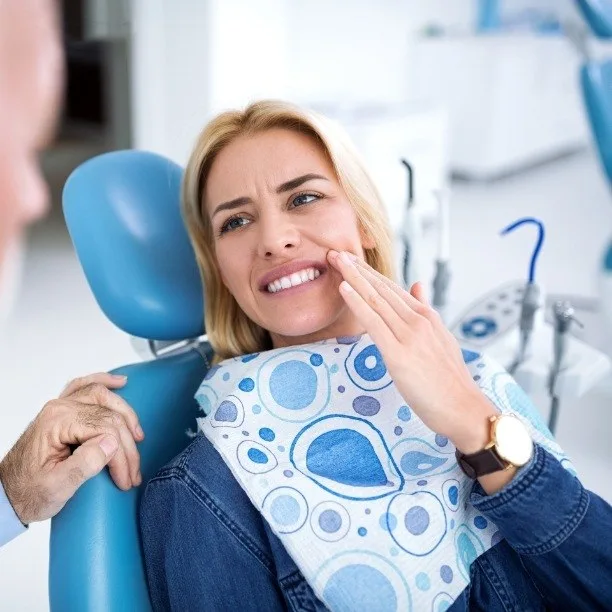
Many people have one or several sequential missing teeth, and this can lead to problems like difficulty speaking and eating, uneven wear on the rest of the smile, and injuries to the exposed gum tissue. Thankfully, dental bridges can close these gaps by replacing the lost teeth with functional and lifelike dental restorations. Here's a brief overview of how dental bridges work and the types available at our office, but please contact our office if you'd like to learn more.
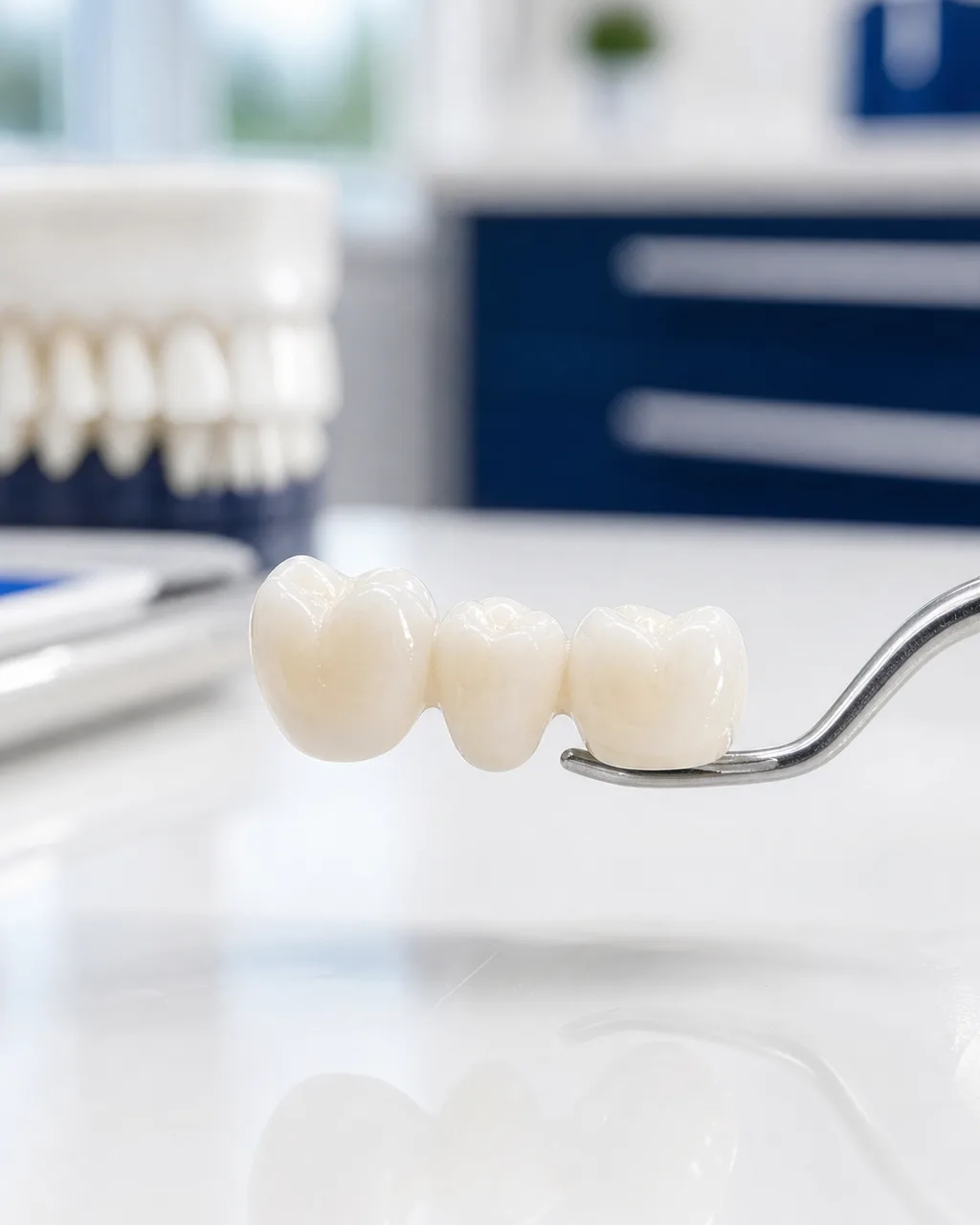
What is a Dental Bridge?
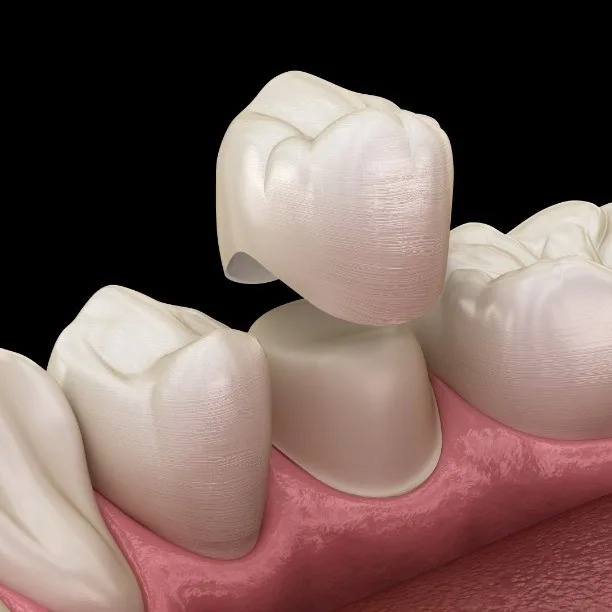
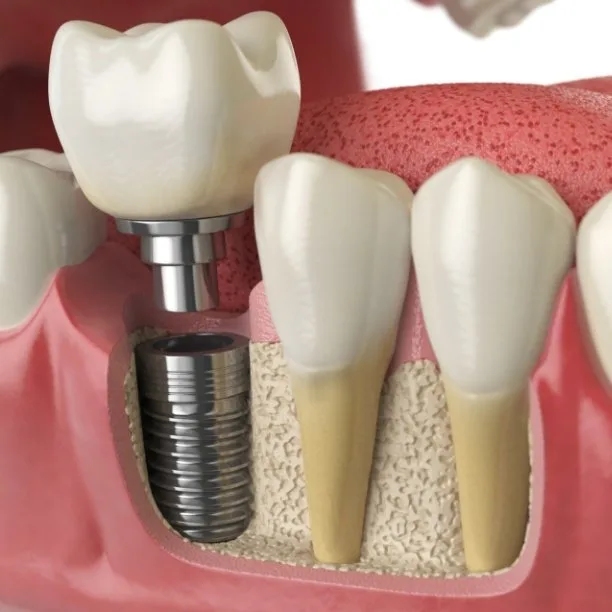
A dental bridge is a restorative appliance consisting of one or several artificial teeth strung together between two crowns or dental implants. These devices are used to replace one or several lost teeth in sequence, and almost anyone can be an excellent candidate for a dental bridge as long as they are free from gum disease and have teeth or jawbones healthy enough to support the appliance. Dental bridges are usually made from metal, porcelain, or ceramic to ensure that they can provide significant chewing power while remaining aesthetically pleasing.
Types of Dental Bridges
The best type of dental bridge for you depends on your oral health situation. During your consultation, Dr. Hardin will thoroughly evaluate your mouth and discuss your preferences to determine which appliance will best suit you.
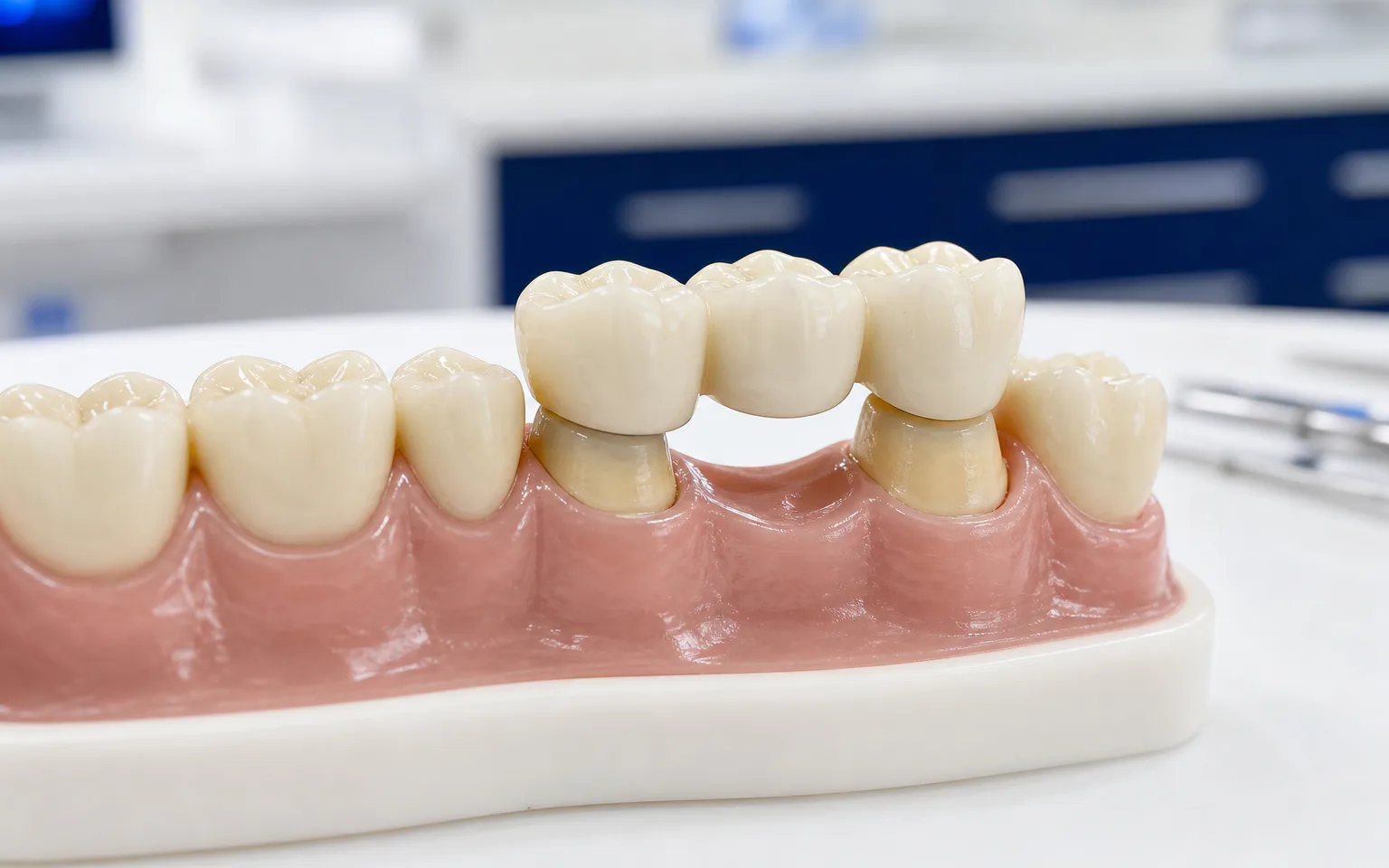
Traditional Dental Bridge
A traditional dental bridge is supported by dental crowns placed on healthy teeth on either side of the gap, meaning that these teeth will have to be reshaped before the appliance can be placed. This creates a durable and functional restoration that can last up to fifteen years before needing replacement if it receives excellent care.
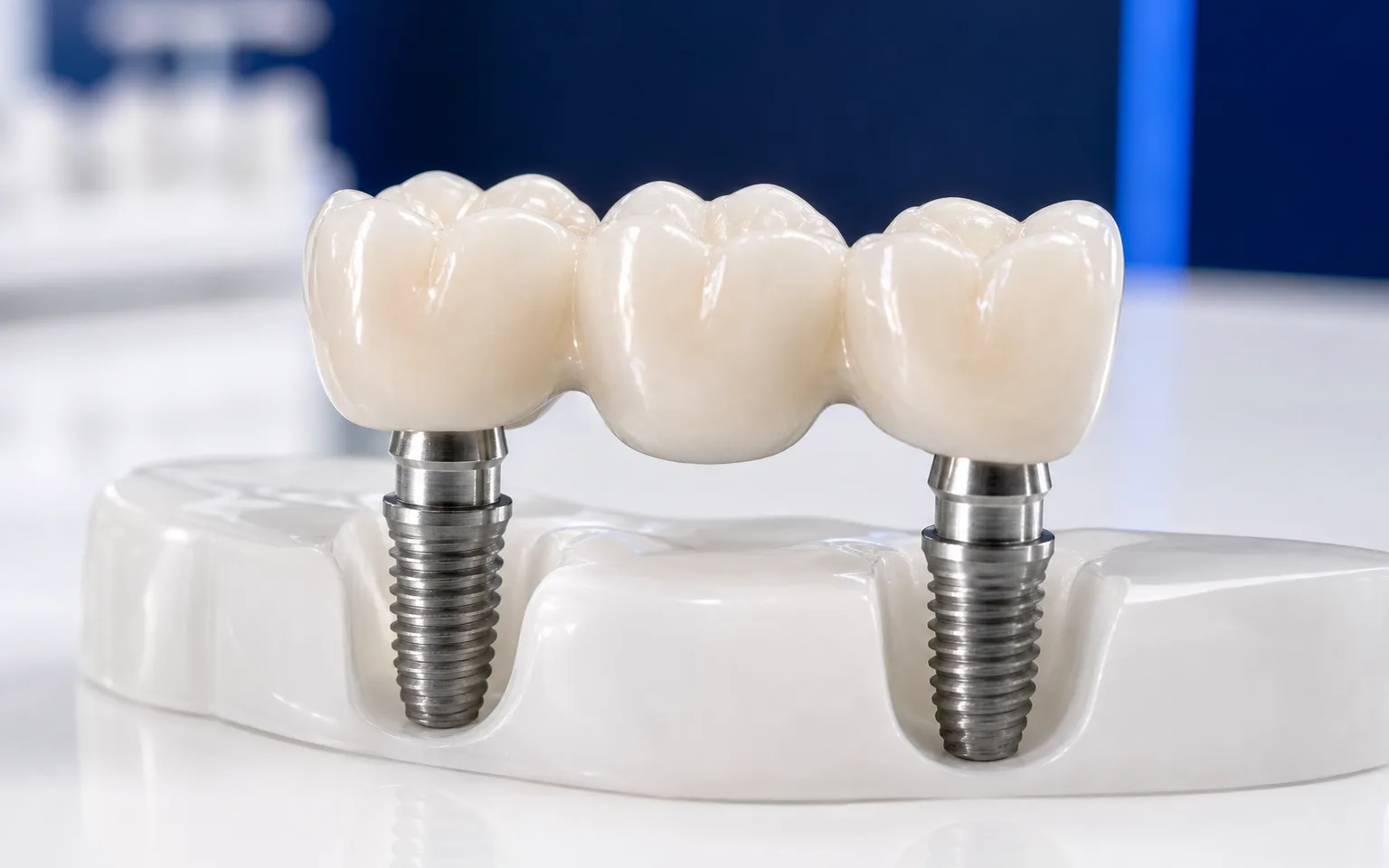
Implant Bridge
Implant bridges consist of two or more artificial teeth supported by titanium posts surgically placed in and naturally fused with the jawbone. These restorations require no alteration of any remaining natural teeth and provide maximum chewing power. If they receive superior care and maintenance, implant bridges can last for decades or possibly a lifetime.
The Benefits of Getting a Dental Bridge
Neglecting to replace lost teeth can lead to a range of oral and overall health issues such as:
The remaining teeth shifting out of alignment, which makes them harder to clean and easier to injure Diminishing a person's confidence so that they are too shy to smile proudly Speech difficulties Indigestion or malnutrition due to decreased chewing power

A dental bridge may be the best way to preserve your smile, confidence, and oral health. If you're interested in what one of these appliances can do for you, please don't hesitate to contact our office so you can schedule a consultation.
Dental Bridges FAQs
Your Questions, Answered!
How Long Should a Dental Bridge Last?
In general, dental bridges often last between 5 and 15 years. One of the biggest factors that can help determine the lifespan of your bridge is the care that you give it on a daily basis. You'll be more likely to be able to keep your prosthesis longer if you:
Stay away from cigarettes and other tobacco products. Give up bad habits like chewing your fingernails. Avoid biting down on overly hard foods like ice and peppermints. Practice good oral hygiene by brushing at least twice a day. Visit your dentist for a checkup and cleaning every few months.
It's worth noting that the position of your bridge can also affect its longevity. A bridge that replaces your front teeth will often last a little longer than one near the back of the mouth due to not being exposed to as much pressure from chewing.
Do Dental Bridges Look Natural?
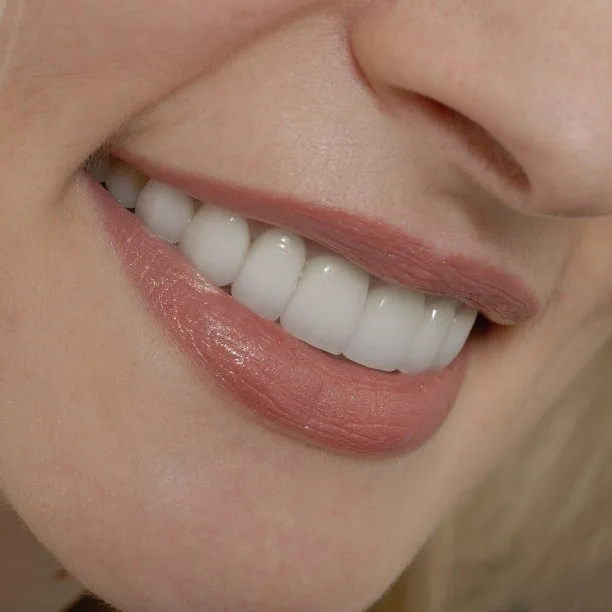
It depends on the kind of material used. If you choose to get a bridge made out of porcelain or ceramic, it will have a highly natural appearance. These materials closely mimic the appearance of natural tooth enamel; they even reflect light the same way. Thus, most people won't be able to tell the difference between your actual teeth and a porcelain/ceramic bridge.
In comparison, a metal bridge won't blend in with the rest of your smile as well. That being said, though, this type of bridge is normally used to replace the less visible teeth near the back of the mouth, so there's a significantly lower chance of it being noticed by a casual observer.
Can Dental Bridges Get Cavities?
This is a bit of a misleading question. Dental bridges themselves are not made of enamel and therefore cannot develop cavities. However, the teeth that support them could still be potential targets for decay-causing bacteria. Thus, when it comes to oral hygiene, it's important to give the area around your dental bridge the same attention that you give the rest of your mouth.
Are Dental Bridges Covered by Insurance?
Generally speaking, yes, you can typically expect dental insurance to help pay for a dental bridge. The exact amount of coverage can vary, but many plans will pay around 50% of the cost of the procedure.
Note that you may need to meet your deductible before your insurance plan will provide coverage for dental bridges and other procedures. On top of that, bear in mind that your annual maximum will put a limit on the overall amount that your insurance company pays for any type of dental care during the year.
If you need to clarify the details of your dental insurance plan, don't hesitate to speak to our team. We'll help you figure out the best way to get the absolute most out of your benefits.
More to Explore
View All Services Jump to another area of care
Close the gap with a custom bridge
Book a consultation with Dr. Hardin to find out whether a traditional or implant bridge is the right way to replace your missing teeth and restore your smile.
Book Appointment