Mon 8-2 · Tue & Wed 8-5 · Thu 9-6 · Fri Closed · Sat 8-1


Westpark Village Dental Care is a family and cosmetic dental practice in Plano, TX led by Dr. Jordan Hardin DDS, where clinical excellence and family values guide everything we do.
Home/Restorative Dentistry/Root Canal Therapy
Root Canal Therapy - Plano, TX
Ending the pain and saving the tooth, with sedation available and updated techniques that keep you comfortable throughout.

If you're dealing with tooth pain that won't quit, sensitivity that's driving you crazy, or you think there's an infection brewing inside your tooth, a root canal can save that tooth and put an end to the pain. As a reliable dental clinic in Plano, TX, we've done countless root canals using updated techniques that focus on keeping you comfortable; we even offer sedation if you need it to help you stay calm during the procedure.
Save Your Aching Tooth
When you are suffering from a monstrous toothache, you want to get out of pain as quickly as possible. You might think you need to get your tooth removed! Fortunately, that is not always necessary. With root canal therapy, we may be able to put an end to your pain and save your aching tooth from an extraction. Very soon, you could be back to feeling like yourself and smiling confidently!

Do I Need Root Canal Therapy?
Root canal therapy is necessary when the innermost layer of its tooth, called its pulp, incurs damage or develops an infection. The pulp contains connective tissue and nerve tissue, which play a role in sensation and the internal structure of the tooth body. Here are some signs that you might need this treatment:
You have a severe, throbbing toothache. A tooth is extremely sensitive to hot and cold temperatures. The discomfort lingers even after the source of the extreme temperature is removed. A tooth has a darker color than the ones around it. A dark area may also be visible on an x-ray, indicating infection. There is a pimple-like bump on the gums. This may be a sign of pus or drainage from an abscess.
An x-ray is often used to detect hidden infection or dark areas in the tooth or surrounding bone.
If the infection is not treated, it can spread to other parts of the body.
During endodontic treatment, the infected pulp is removed to prevent further complications.
Keep in mind that root canal therapy is necessary even in some cases where a patient has no obvious symptoms of a dental problem.
Causes of Infection
There are actually several ways a tooth's pulp can end up getting infected, and honestly, the most common one is when you've got a deep cavity that basically opens the door for bacteria to march right into those inner tissues. When decay works its way through the enamel and dentin, kind of like drilling through layers, it creates this opening that bacteria just love to invade, and before you know it, you're dealing with infection and inflammation in that pulp chamber. But that's not the only way this happens, right? Sometimes it's trauma to the tooth that does the damage, maybe you took a blow to the face or jaw, and even if there's no crack you can see, the pulp inside got hurt anyway. It's a bit like bruising on the inside where you can't tell from the outside. Then there are those situations where you've had repeated dental work or you've got a large filling sitting there, and over time, all that can irritate the pulp and make it way more vulnerable to infection. Here's the thing though, if you just leave this untreated, that infection isn't going to stay put; it'll spread to the surrounding bone and create even more complications and discomfort that nobody wants to deal with. Honestly, understanding what causes these infections in the first place can really help you and your dental team figure out the best approach to protect your oral health and keep future issues from popping up.

The Root Canal Process
Root canal procedures are commonly performed to save teeth that would otherwise require extraction. To start the root canal treatment process, we will make sure your tooth is numb; we do not want you to experience pain or discomfort during your appointment. Once you are settled in, we will use special instruments to access your tooth's interior and clean out damaged and infected tissue. The canals are thoroughly flushed to remove debris and infection from all parts of the root canal space. X-rays (rays) are used before, during, and after the procedure to monitor progress and ensure all parts of the canal are properly treated.
Next, we will fill in the tooth with a material called gutta-percha, making sure to seal all parts of the root canal space to prevent reinfection. Proper sealing is achieved using filling materials and sealing cements, and effective seals are crucial for the long-term success of the treatment. Occasionally, instruments may break during the procedure; if this occurs, we have protocols in place to manage the situation and ensure the best possible outcome.
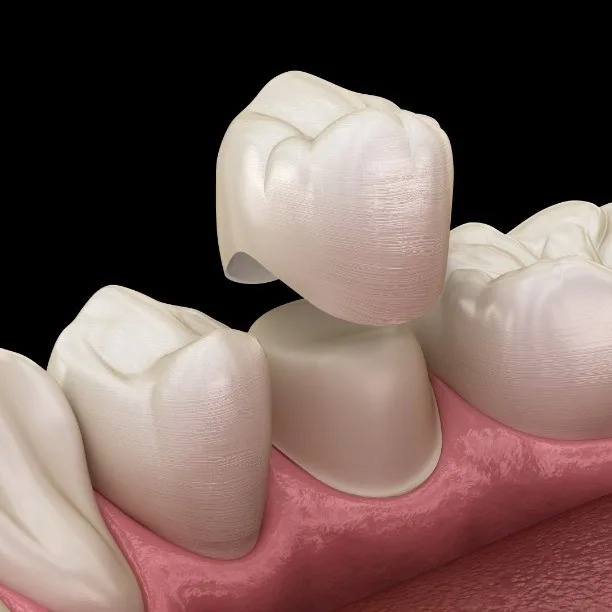
Root canal therapy is typically completed in one or two visits, but more appointments may be needed for complex cases. Following your treatment, we will place a crown or other restoration on the tooth. Crowns are often made of porcelain for durability and aesthetics, and they provide essential protection for the treated tooth against future damage and microbial invasion.
At our office, we often perform relatively simple root canal procedures. However, if you need to have a molar treated, which often have complex root canal spaces and may require specialized care, or there are other complicating factors in your case, we will refer you to a trustworthy local specialist. The expected prognosis for a tooth after root canal therapy depends on the quality of the seal and the final restoration, with well-sealed and properly restored teeth having a high rate of long-term success.
The Benefits of Getting a Root Canal
Root canal therapy has a number of potential benefits. Root canal treatments are highly effective at saving teeth and preventing further complications:
It could preserve your tooth. You will not have to worry about the embarrassment of an incomplete smile or the discomfort of missing dentition. You could save money. Although root canal therapy costs more than an extraction upfront, it is actually a better value because it can spare you from having to pay for tooth replacement. The results can last for a long time. The longevity of the treated tooth can differ depending on individual circumstances and follow-up care, and studies have shown success rates over long periods of time, such as eight years or more. Caring for a treated tooth is easy. Thorough oral hygiene and other basic measures can help the tooth heal and remain functional for many years, reducing the risk that your treated tooth will require restorative care again in the future.
Post-Procedure Care
After you've gone through a root canal procedure, taking proper care of that treated tooth is honestly essential for a smooth recovery and long-term success. Your dentist or endodontist will typically recommend that you avoid biting or chewing on the treated tooth until a permanent filling or crown is placed, kind of like babying it while it heals, really. For the first few hours after the procedure, it's best to steer clear of hot or cold foods and drinks, since your tooth and surrounding tissues may be pretty sensitive (think of it like having a sunburn in your mouth). Maintaining excellent oral health by brushing and flossing regularly will help prevent decay and keep your mouth healthy, it's honestly one of those simple things that makes a huge difference. If you experience any discomfort, your dentist or endodontist may suggest over-the-counter pain relief or prescribe medication as needed, so you're not stuck dealing with unnecessary pain. Following these care instructions will really support the healing process and help ensure your root canal treatment is successful in the long run.
Understanding the Cost of Root Canal Treatment
Root canal treatment can save your infected tooth from being extracted! However, many patients feel concerned about the cost of their upcoming treatment. During your visit with us, we can go over the financial aspects in detail, including the cost and your payment options. Until then, here are some things for you to keep in mind.


Factors That Can Affect Root Canal Cost
We can't determine the exact cost of your root canal treatment until you see us in person. That's because there are different factors that contribute to the cost. Here are the most prominent ones:
Location: Depending on where the affected tooth is located in your mouth, the cost will vary. This is because molars have more roots than the teeth in the front of your mouth, so they take longer to treat. Difficulty: The more complicated a procedure is, the higher the cost. Additional Treatments: If you are in need of another service, like a dental crown, in addition to your root canal treatment, you should take this separate cost into consideration as well.

Is It Cheaper to Pull My Tooth?
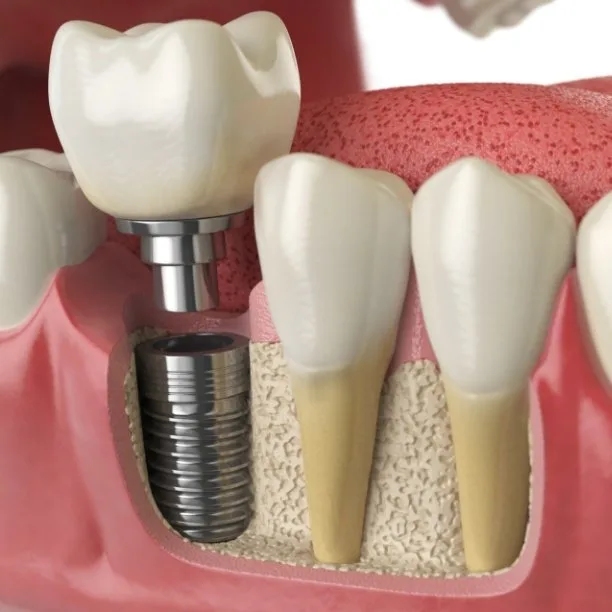
Many patients feel tempted to skip the entire root canal process and just have their teeth extracted. The cost of a tooth extraction may be cheaper upfront, but you should consider the long-term consequences of losing one of your natural teeth. Your bite can become negatively impacted as the surrounding teeth shift out of place, resulting in difficulty chewing and general discomfort. To prevent this, you would need to replace your missing tooth with a dental bridge or dental implant. The cost of these tooth replacement options can add up quickly. Ultimately, a root canal is likely the most cost-effective way to address an infected tooth. Remember that you shouldn't put off a root canal either! If you wait too long, you might require an extraction to preserve the health of the rest of your smile.

Does Dental Insurance Cover Root Canal Treatment?
Root canal treatment is generally considered to be a "major procedure" by dental insurance providers, so benefits usually cover approximately 50% after your deductible has been met. However, every plan is different, so it is best to confirm this directly with your provider beforehand. We can also help you with this process. You don't want to come across any unnecessary surprises.

Other Options for Making Root Canal Treatment Affordable
If you don't have dental insurance, this doesn't mean that you will be left completely on your own. Here are some of your other options:
Currently, we have a special for a $39 limited exam and X-ray. With our In-House Membership Plan, you can save on dental services completed at our practice. We accept payments through CareCredit and Cherry! It is easy to enroll for payment plans and there are no surprise fees. As an alternative, we offer in-house dental financing with no interest for added convenience.
Alternatives and Options
While root canal treatment is usually the go-to way to save a tooth that's damaged or infected, there are honestly other options out there depending on what you're dealing with. Sometimes tooth extraction might be on the table, especially if the tooth just can't be fixed, kind of a last resort situation. But here's the thing: pulling a tooth can mess with your other teeth, causing them to shift around and change how your bite feels, which might mean you'll need extra work down the road to get things back on track. Another route you could go is replacing that extracted tooth with a dental implant, which is basically an artificial tooth that looks and works like the real deal. Now, dental implants are typically pricier and involve several steps (it's not a quick fix), but they can give you a solution that lasts for years. Your dentist or endodontist will walk through all these treatment choices with you, helping you figure out what makes the most sense for your mouth and your lifestyle, because honestly, what works for one person might not be right for another.
Potential Risks and Complications
Root canal treatment is actually pretty successful most of the time, but honestly, like any dental work, there are some things that can go sideways that you should know about. One thing that might happen is infection if they don't get the canal completely cleaned out and sealed up properly, kind of a pain because that means you might need more treatment or even have to do the whole thing over again. In rare cases, you could end up with some nerve damage, which sounds scary but usually just means temporary numbness or that tingly feeling in the area around your tooth. There's also this risk of your tooth root cracking, especially if it gets weakened during the procedure, not ideal, right? Sometimes an abscess can form if the infection decides to spread beyond your tooth into the tissues around it, which is definitely not what you want. To keep these risks low, it's really important to follow whatever your dentist or endodontist tells you to do after the procedure and show up for all those follow-up appointments they schedule. Your dental team will walk you through the healing process and tackle any worries you have to help make sure your treated tooth turns out as good as possible.
Root Canal FAQs
Your Questions, Answered!
Can Root Canals Be Prevented?
You'll be happy to hear that, in many cases, root canals can be prevented. The best way to keep your teeth healthy and reduce your chances of needing this emergency dental treatment is by implementing good habits, like getting a dental checkup and cleaning twice a year. It's also a good idea to quit any habits you have that increase your risk of dental damage, like smoking, chewing on ice cubes, or using your teeth as tools to open things.
Why Do I Need a Root Canal If My Tooth Doesn't Hurt?
The answer is simple: pain isn't the only symptom of dental damage. A few other common ones include bleeding gums, persistent dental sensitivity, and dark discoloration on one tooth. If you're ever unsure why we are recommending root canal treatment for you, don't hesitate to ask! We want you to be involved in the process, and we'd be more than happy to review our findings from your exam as well as share all of the treatment options available.
How Much Pain Is Normal After a Root Canal?
You can expect to feel some soreness following your procedure. But how do you know what's normal and what's cause for concern? In short, some mild discomfort and sensitivity are normal, especially when the numbing agent first wears off. At this time, start taking OTC pain medication as instructed, and make sure to follow all of your aftercare guidelines, including not chewing on that side of your mouth. By the three-day mark, your symptoms should begin to subside. If they don't, call us.
What Happens if You Wait Too Long for a Root Canal?
Waiting too long for a root canal can lead to several serious consequences. The first is that the infection can progress to the point where it "kills" the nerve of the tooth. The second is that the bacteria can spread throughout your mouth and even to the rest of your body, negatively impacting your oral and overall health even further. The third is that there will eventually come a time when the tooth can no longer be saved. If that happens, then we'll have no choice but to remove it and put a dental bridge or dental implant in its place.
Do Root Canals Make You Sick?
Have you heard the rumor that root canals make you sick? When you hear anything about this emergency dental service, it's important to fact-check it with your dentist, especially since there is so much misinformation out there surrounding it. To provide further insight on this particular myth, it stems from poorly designed research from the 1920s that has been debunked for several decades now. In fact, studies have proven the opposite to be true: you can get sick if you don't eliminate the infection in your tooth.
More to Explore
View All Services Jump to another area of care


Put an end to the toothache
Book with Dr. Hardin to find out whether root canal therapy can save your tooth. Sedation is available if you need help staying calm.
Book Appointment