

Orthodontics covers any treatment that moves teeth into better position, whether that means closing a gap, unwinding years of crowding, or correcting a bite that is wearing enamel unevenly. Most adults looking into it in Plano are not after a magazine smile. They want to stop noticing the same tooth in every photo, or they have been told their bite is causing damage and would rather act now than pay for crowns later.
At Westpark Village Dental Care we provide clear aligners in Plano, TX as our orthodontic treatment. We use the CandidPro system, and every case is reviewed by a licensed orthodontist before a single tray is manufactured. Dr. Jordan Hardin owns the practice, holds membership in the American Academy of Clear Aligners, and sees every patient personally from the consultation through the final retainer fitting.
What Orthodontic Treatment Can Correct
Tooth movement addresses a narrower set of problems than most people assume, and knowing which category you fall into tells you a lot about what treatment will look like. Crowding is the most common, where teeth overlap because the arch does not have room for all of them. Spacing is the opposite problem, with visible gaps that food catches in and that tend to widen with age.
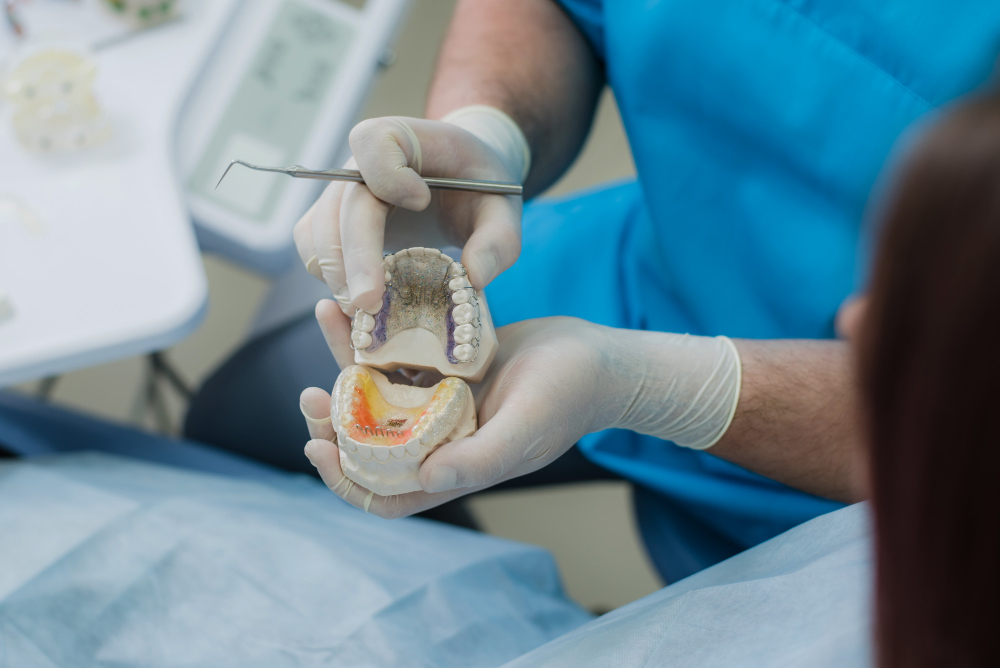
Bite problems are the other category. An overbite means upper front teeth sit too far over the lower ones. An underbite reverses that. A crossbite has upper and lower teeth meeting out of line, and an open bite leaves a gap between front teeth even when the back teeth are closed. These matter beyond appearance, because a bite that distributes force unevenly wears specific teeth faster than the rest.
Mild to moderate versions of all six respond well to CandidPro aligner treatment. Severe malocclusion sometimes needs more force than removable trays can deliver, and in those cases a fixed appliance is the correct answer. We say so at the consultation rather than starting treatment that cannot finish the job.
Aligners Compared With Traditional Braces
Both approaches straighten teeth and both work. The real difference is how each one fits into your life, and for most adults that comes down to visibility and hygiene rather than clinical outcome.
| Feature | Clear aligners | Traditional braces |
|---|---|---|
| Appearance | Nearly invisible trays | Visible metal brackets and wires |
| Removable | Out for eating and cleaning | Fixed for the whole treatment |
| Oral hygiene | Brush and floss as normal | Floss threaded around every wire |
| Diet | No restrictions once trays are out | A long list of foods to avoid |
| Office visits | Fewer, thanks to remote scans | Regular adjustment appointments |
| Comfort | Smooth medical grade plastic | Hardware that rubs |
Patients sometimes ask whether aligners and clear braces are the same thing. They are not. Clear braces use tooth coloured ceramic brackets bonded to each tooth and stay fixed between visits. Aligners are removable trays. Most people searching for clear braces actually want the discreet look without fixed hardware, which is what aligner treatment delivers. The differences between aligners and braces are worth reading through before you decide.
Not sure whether your case suits aligners? Give us a call at (972) 964-8989, and book a consultation and we will scan your teeth and give you a straight answer.
How Teen and Adult Cases Differ
Teenagers and adults get the same aligner system, but the treatment plans around them look different. Teen cases often involve a jaw that is still finishing its growth, which can work in the patient’s favour because the bone is actively remodelling. Adult cases work with a settled jaw, where movement is steady and predictable but there is no growth to assist it.
Adults also arrive with history. Old crowns, bridges, worn edges, and previous orthodontic work all shape what is possible and how the sequence has to be planned. Someone whose teeth drifted after wearing braces twenty years ago is often a short, straightforward case, since the teeth have a position they are being returned to rather than one they have never held.
Sport is the practical difference parents ask about most. A player pops trays out before a game, wears a mouthguard, and puts them back in afterward. No broken wires and no emergency appointment wrecking the schedule. Younger patients who are not ready for orthodontics yet are still worth bringing in, and our family dentistry guide for parents covers the monitoring that catches crowding before it needs a larger intervention.
What Treatment Costs and How Patients Pay
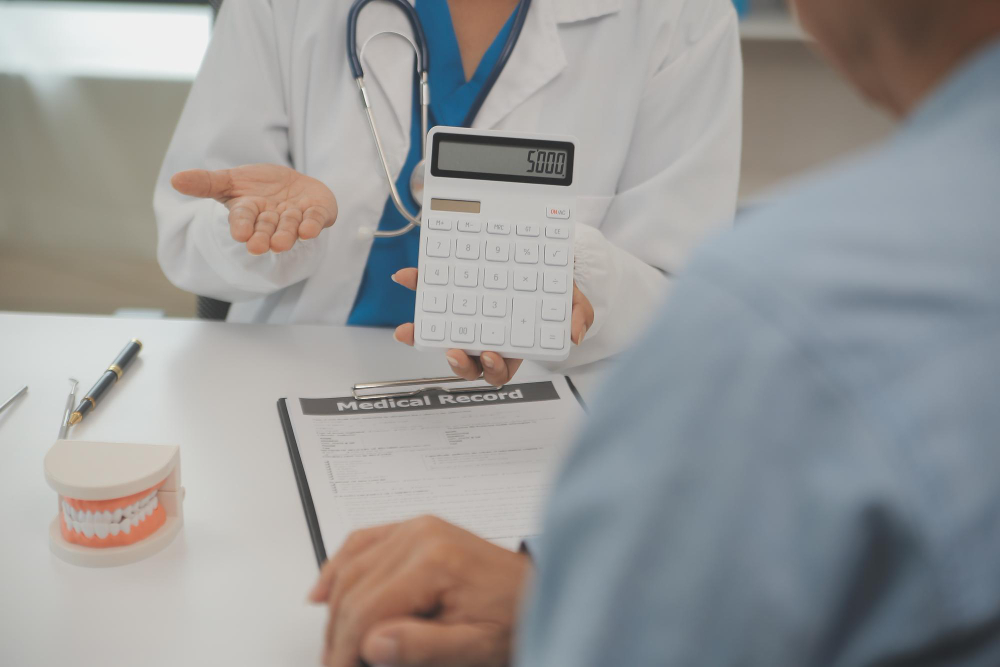
The standard fee for CandidPro treatment at our office is $6,400. Dr. Hardin is currently taking $1,000 off, which brings treatment to $5,400, and monthly payments can run as low as $149 with approved third party financing. Final cost still moves with whether you need one arch or both, how far out of alignment the teeth sit, and which retainer you choose at the end.
Dental insurance sometimes contributes. Plans carrying an orthodontic benefit often cover up to half a case, though many exclude adult orthodontic treatment entirely. Our team verifies your coverage in writing before you commit to anything, and we file the claims so you are not chasing paperwork.
For patients paying without insurance, these are the routes available.
- In-house membership plan at $40 per month per person, covering two exams, two cleanings, and two sets of X-rays a year, plus 15% off other services with no waiting period, no deductible, and no annual maximum
- Third party financing through CareCredit, Cherry, and Sunbit
- In-house financing with no interest across several plan lengths
Between those, almost every patient finds a workable route. Nobody here is asked to decide at the consultation.
What the Treatment Process Involves
Your opening appointment is an exam before it is anything else. Dr. Hardin checks your teeth and gums, takes X-rays, and captures a digital scan of both arches, which replaces putty impressions entirely. Gum health has to be sound before teeth start moving, so anything that needs attention gets handled ahead of treatment.
From there your case goes to a United States based licensed orthodontist who maps the movement sequence with Dr. Hardin. That review is what separates supervised orthodontic treatment from a mail order kit, and it is why the timeline and plan you receive are built on a clinical assessment rather than an estimate. Once your trays arrive we fit the opening set, confirm you can seat and remove them comfortably, and set you up on the ProMonitoring app so progress is tracked between visits.
Treatment finishes with a retainer. Teeth drift for life, and wearing that retainer as directed is what protects the result. We have run this practice since 2011, and patients who straightened their teeth with us years ago still come back for cleanings, which is the part of continuity that matters most.
Straight teeth start with a scan and an honest assessment, not a sales pitch. Call at (972) 964-8989, and request an appointment and let Dr. Hardin tell you what your case actually needs.