

Treatment for gum disease depends entirely on how far it has progressed. Early inflammation reverses with a professional cleaning and better home care, moderate cases need cleaning below the gumline, and advanced disease that has destroyed supporting bone calls for a longer plan that may include removing teeth that cannot be held. Catching it early is what separates a cleaning from a reconstruction.
What makes this condition difficult is how quietly it moves. Gum disease rarely hurts until it is well established, so most patients we treat in Plano arrive with no symptom beyond some bleeding when they brush. That bleeding is the signal worth acting on, and this article explains what happens after you do.
How Gum Disease Progresses Through Its Stages
It starts with plaque sitting along the gumline. Bacteria in that film irritate the tissue, the gums become inflamed, and they bleed when disturbed. At this stage, called gingivitis, nothing has been permanently lost. The attachment between gum and tooth is intact, the bone underneath is untouched, and the condition reverses completely with proper cleaning.
Left alone, the inflammation works downward. Tissue detaches from the tooth and forms a pocket, which traps bacteria in a space no toothbrush can reach. Plaque hardens into calculus below the gumline and the body begins breaking down the bone that holds the tooth in place. That is periodontitis, and the bone it removes does not grow back on its own. Pockets deepen, teeth loosen, and eventually some cannot be saved. The full progression, all the way to tooth loss, is covered in this article on what happens when gum disease goes untreated.
Treating Early Stage Gum Disease
Gingivitis responds to the least invasive treatment we have. A professional cleaning removes the hardened buildup a brush cannot shift, the inflammation settles within a couple of weeks, and the tissue returns to normal. Our hygienists Tiffaine and Abbie handle this work, and patients across Plano mention their light touch more than almost anything else about a visit.
The part that determines whether it stays resolved happens at home. Brushing twice a day reaches the surfaces, but plaque between teeth needs floss or an interdental brush, and that gap in technique is where most recurrence starts. We also look at what else is driving the inflammation, since smoking, uncontrolled diabetes and dry mouth from medication all make tissue harder to keep healthy. Those factors change how often we want to see you, so we set the interval around them rather than a fixed calendar.
Gums bleeding when you brush? That is the easiest stage to treat and the easiest one to ignore. Give us a call at (972) 964-8989, and request an appointment and we will tell you exactly which stage you are at.
Treating Moderate Gum Disease and Deeper Pockets
Once pockets have formed, cleaning above the gumline no longer reaches the problem. Treatment moves below it, clearing hardened deposits off the root surfaces inside the pocket and smoothing those surfaces so tissue can reattach. This is usually done across more than one appointment, often one side of the mouth at a time, with the area numbed so it stays comfortable.
Healing is measured rather than assumed. We record pocket depths before treatment and check them again afterward, because the numbers tell us whether tissue reattached or whether the pocket is holding. Patients who respond well typically move onto a shorter recall interval, often three or four months instead of six, since the pockets that remain need professional attention more frequently than healthy gums do. Watch for these signs that disease has moved past the early stage:
- Gums that have visibly pulled back from the teeth
- Breath that does not improve after brushing
- A tooth that feels slightly loose or has shifted position
- Pus or tenderness at the gumline
- A change in how your teeth meet when you bite
When Gum Disease Has Already Cost You Bone
Advanced periodontitis means supporting bone is gone, and the plan shifts from reversing damage to limiting further loss and deciding which teeth are worth holding. Some teeth with moderate bone loss stay stable for years under tight maintenance. Others have lost too much support to be predictable, and keeping them costs more over time than replacing them would.
Where a tooth cannot be saved, removing it protects the bone and tissue around it from continued infection. We handle tooth extraction when a tooth cannot be saved in our own office, and we plan the replacement at the same visit rather than leaving you to work it out later. That sequencing matters, because the bone starts changing shape as soon as a tooth comes out, and knowing whether an implant, a bridge or a partial denture is coming next affects how we handle the site on the day.
Keeping Gum Disease From Coming Back
Periodontal disease is managed rather than cured once bone has been lost. The tissue that reattached can detach again, and the pockets that remain refill with bacteria faster than healthy sulcus does. What holds the result is the maintenance interval, which is why we set it based on your pocket readings rather than a standard six months for everyone.
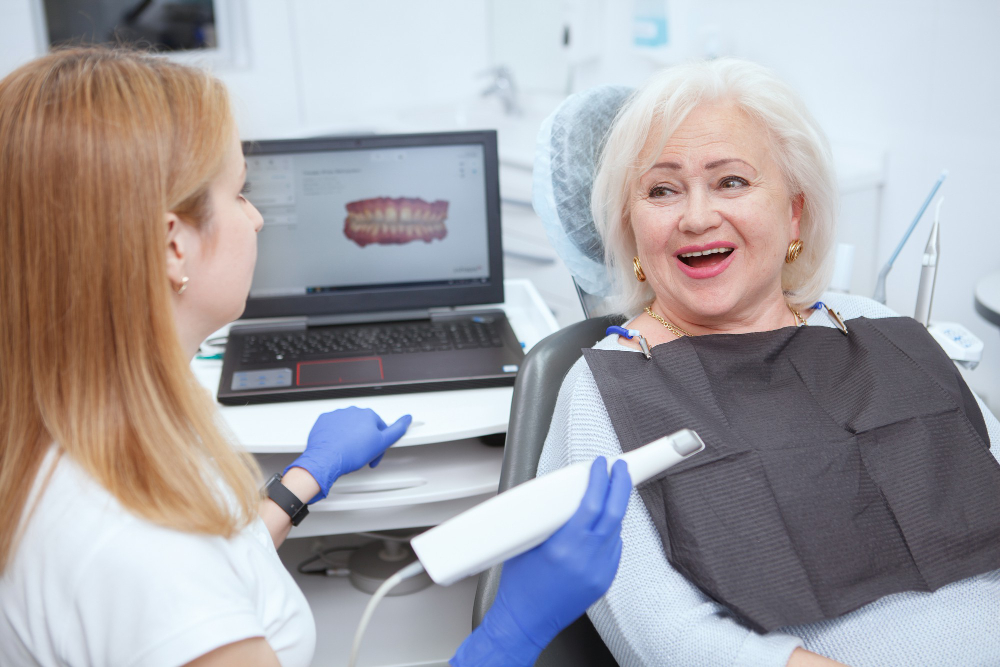
Home care carries most of the weight between visits. Cleaning between the teeth daily matters more than brushing harder, and for patients with dexterity limitations a water flosser or an interdental brush often works better than string. Managing blood sugar, stopping smoking and treating dry mouth all change the trajectory measurably. Dr. Hardin shows you the readings on screen at each maintenance visit so you can see whether what you are doing at home is working, rather than taking our word for it. This overview of professional cleanings and gum care covers what each of those visits includes.
If your gums bleed, if they have receded, or if it has been years since a cleaning, an exam and a set of readings will tell you which of these stages you are actually in.
Want to know where you stand? Call at (972) 964-8989, and request your appointment in Plano and we will take a full set of readings at your first visit.