
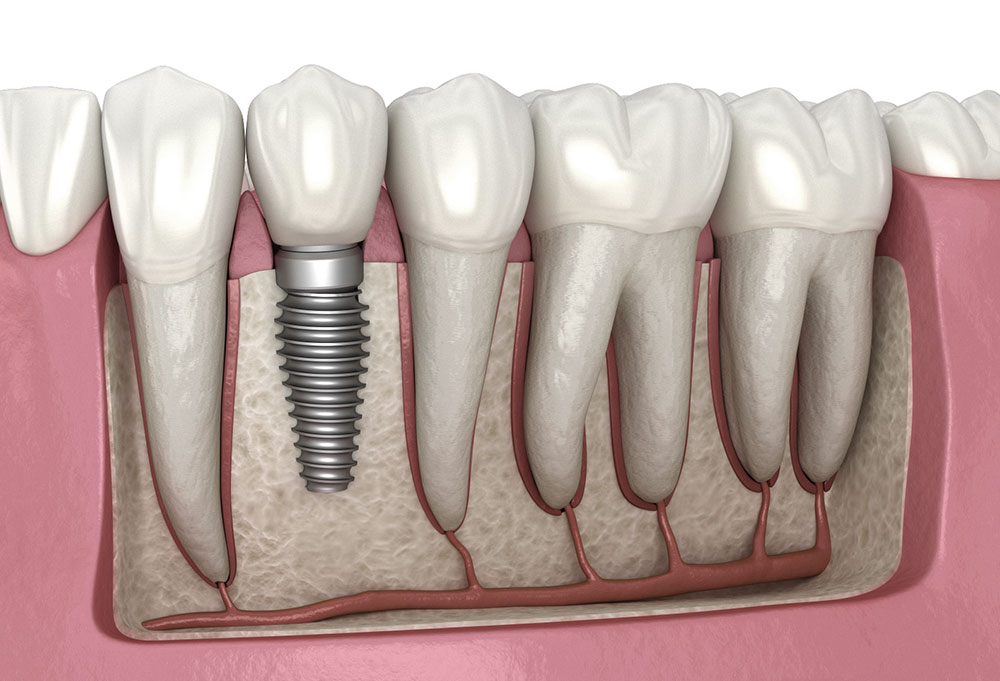
Dental implants can last for decades when properly cared for, but several factors affect how long they’ll actually last. Bone density, your surgeon’s skill, and how well the implant is placed all matter. A reputable dental clinic will walk you through what to expect and how to keep your implants in good shape for years. Your daily habits, like brushing, flossing, and what you eat, also play a big role. This post covers everything that impacts implant longevity and what you can do to get the most out of your investment.
Factors Affecting Implant Longevity
Clinical studies show that several factors directly affect the longevity of dental implants. The quality of your jawbone matters a lot; adequate bone density and volume set the foundation for long-term success. The skill and experience of your dental implant surgeon also make a difference since precise placement helps the implant fuse properly with the bone. Smoking, uncontrolled diabetes, and poor oral hygiene can all shorten an implant’s lifespan. Regular follow-up visits and maintenance appointments help catch problems early. Understanding these factors gives you the best shot at keeping your implants for as long as possible.
Importance of Oral Hygiene
Good oral hygiene habits are the backbone of implant success. Proper care prevents peri-implant diseases like peri-implant mucositis and peri-implantitis, both of which can lead to implant failure. Use a soft-bristled brush with non-abrasive toothpaste, floss gently around the implant site, and rinse with antimicrobial mouthwash. Regular dental checkups and professional cleanings help spot issues before they get serious. Skipping oral care leads to plaque buildup, inflammation, and bone loss around the implant. By sticking to solid hygiene habits, you can extend your implant’s lifespan and protect your overall oral health.
Impact of Smoking on Implants
Smoking works against dental implants in multiple ways. Research shows that smoking restricts blood flow, slows healing, and weakens your immune system’s ability to fight infections. Nicotine and other harmful chemicals in cigarettes can trigger peri-implantitis, where the tissue around the implant gets inflamed and may cause the implant to fail. Smokers also face higher risks of bone loss and implant mobility. Studies confirm that smokers have a much higher implant failure rate than non-smokers. For the best results, patients should quit smoking before and after implant surgery.
Role of Regular Dental Check-ups
Regular dental checkups keep your implants healthy and stable over time. Here’s why these visits matter:
- Early Detection: Checkups catch problems early, allowing for quick fixes before small issues turn into bigger ones.
- Professional Cleaning: Dentists remove plaque and tartar buildup around implants during cleanings, reducing the risk of infection and implant failure.
- Monitoring Bone Health: Your dentist tracks bone density around the implants to make sure they stay securely anchored in your jaw.
Dietary Considerations for Implants
What you eat affects how well your implants hold up over time. Focus on foods that support oral health and keep your implants stable. Foods high in calcium, vitamin D, and vitamin C help maintain strong bones and healthy gums, both of which your implants depend on. Stay away from super hard or sticky foods that could damage your implants. Cutting back on sugary foods and drinks helps prevent gum disease, which can mess with implant longevity. A balanced diet does more for your implants than most people realize.
Effective Implant Maintenance Techniques
Consistent care routines keep your dental implants working well for years. Here’s what helps:
- Regular Brushing and Flossing: Brush twice a day with a soft-bristle brush and floss daily around the implant area to prevent plaque buildup and gum disease.
- Professional Cleanings: Routine dental visits remove hardened plaque or tartar that regular brushing can’t reach.
- Avoiding Harmful Habits: Skip smoking and go easy on staining substances like coffee or red wine to prevent discoloration and potential complications.
Following these maintenance techniques makes a real difference in how long your implants last and how well they perform.
Related Topics: