Mon 8-2 · Tue & Wed 8-5 · Thu 9-6 · Fri 8-2 · Sat 8-1


Westpark Village Dental Care is a family and cosmetic dental practice in Plano, TX led by Dr. Jordan Hardin DDS, where clinical excellence and family values guide everything we do.
Home/Restorative Dentistry/Tooth Extractions
Tooth Extraction in Plano, TX
Gentle, precise tooth removal when a tooth cannot be saved, with same-day care for emergencies and comfort at every step.

Nobody really wakes up hoping they need a tooth pulled. That's just not how it works. But sometimes, a tooth extraction is the best path forward for your dental health, and putting it off only makes things worse. Whether you're dealing with severe decay, an infection that won't quit, or impacted wisdom teeth causing problems in the back of your mouth, extraction can actually be the relief you've been waiting for. At Westpark Village Dental Care, a recommended dental clinic in Plano, TX, our team handles tooth removal procedures with precision and a whole lot of care, making sure patients feel comfortable from start to finish.

When Tooth Removal Becomes Necessary
So why would someone need a dental extraction in the first place? There are a handful of reasons, and none of them mean you did something wrong. Teeth sometimes crack in ways that can't be fixed. Gum disease can loosen a tooth to the point where saving it just isn't realistic anymore. Infections can spread to the surrounding bone if left untreated, and at that point, removing the affected tooth protects the rest of your mouth. Crowding is another common reason, especially before orthodontic treatment, when there simply isn't enough room in the dental arch for everything to fit properly.
Impacted teeth, particularly third molars, create their own set of issues. When a tooth can't fully break through the gum tissue, it can push against adjacent teeth, cause swelling, and lead to recurring infections. Impacted wisdom teeth are notorious for this. They sit there, partially erupted, trapping food and bacteria in spots your toothbrush can't reach. That's a recipe for trouble. The reality is that keeping a problematic tooth around doesn't do you any favors, and extraction is often the smartest move for your overall oral health.
Simple Extraction vs. Surgical Extraction
Simple Extraction
Not every tooth extraction procedure looks the same. A simple extraction is pretty straightforward, and your general dentist can usually handle it right in the dental office. This type of procedure works for teeth that are fully visible above the gum line and aren't broken or severely decayed. After applying a local anesthetic to numb the area, the dentist loosens the tooth from the periodontal ligament and removes it from the bony socket. For an uncomplicated case, the whole thing can take just a few minutes, honestly.
Surgical Extraction
Surgical extraction is a different situation. This approach becomes necessary when a tooth has broken off at the gum line, hasn't fully erupted, or has roots that curve in complicated directions. Oral surgeons typically perform these procedures, though many experienced dentists can handle them too. During a surgical procedure, a small incision is made in the gum tissue to access the tooth. Sometimes a portion of the surrounding bone needs to be removed, or the tooth itself is sectioned into smaller pieces for easier removal. It sounds intense, but patients are kept comfortable throughout with anesthesia options that match the complexity of the case.
Safely Removing Problematic Teeth
When your tooth is significantly damaged in some way, you should have Dr. Hardin examine it as soon as possible. Much of the time, he will be able to devise a way to protect your oral health while letting you keep the tooth in question. However, in some circumstances, it may be necessary to remove the tooth altogether for the sake of the rest of your smile. Reach out to us immediately if you think you might require a tooth extraction.
Reasons Why Tooth Extractions Are Necessary
Having a full set of natural teeth is always ideal for your smile. For this reason, tooth extraction will never be our first choice; we will always consider options for saving your tooth first. Therefore, if our team does recommend a tooth extraction, it is because we have found that there is no other alternative.
Some situations that might warrant a tooth extraction include:
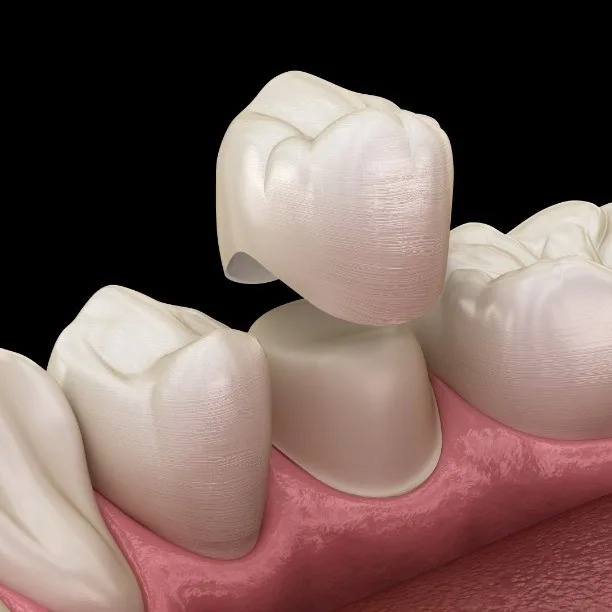
A tooth that cannot be repaired because it lacks the strength needed to support a crown. A tooth that has become badly decayed or infected. A tooth that has come loose due to advanced gum disease. A tooth that needs to be removed before you can get dentures.
If you're unsure why a tooth extraction is necessary, don't hesitate to speak up; our team will be more than happy to explain our recommendation to you.
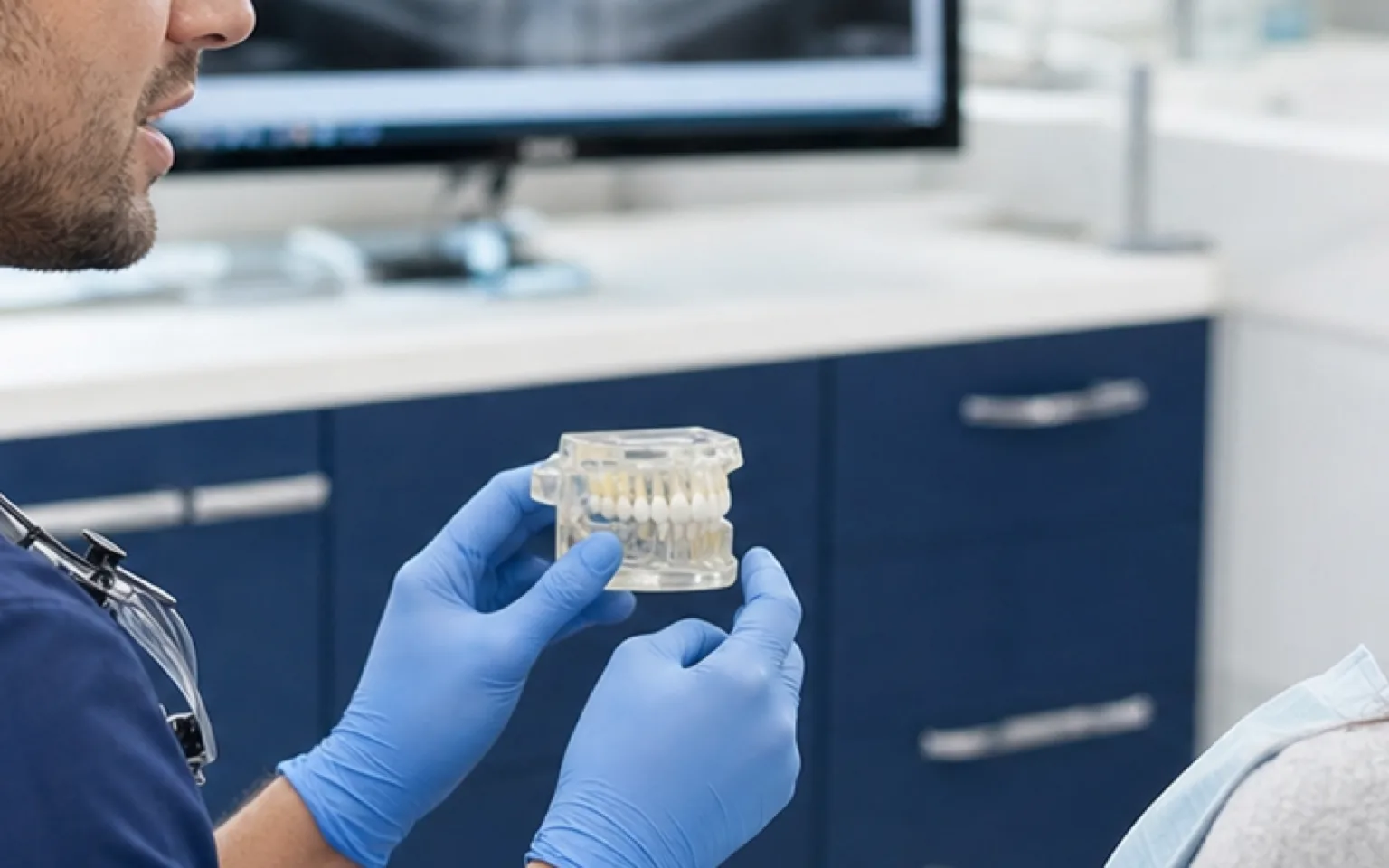
The Process of Removing a Tooth
Teeth that are fully visible in your mouth can normally be removed with a simple extraction. A local anesthetic is used to keep you comfortable during the procedure. Using forceps, we will rock the tooth in question back and forth in order to loosen it until it reaches the point where it can be removed.
But what if you have a tooth that is either trapped under the gums or has broken off at the gumline? In this type of situation, a surgical extraction may be your only option. After your mouth has been numbed, an incision will be made in the gum tissue. In many cases, the tooth will be divided into sections that can be taken out one at a time; this helps keep bone loss to a minimum.
What Happens During the Extraction Process
Here's the thing about getting a tooth extracted: the anticipation is usually worse than the actual experience. Once you're numbed up, you typically won't feel pain. Pressure? Yes. Some tugging and movement? Absolutely. But the local anesthetic blocks the nerves responsible for pain signals, so the sensation is more strange than uncomfortable.
The dentist or oral surgeon uses specialized instruments to rock the tooth back and forth, gradually widening the tooth socket until the tooth can be lifted out. For a molar extraction, this might take a bit more effort since molars have multiple roots anchoring them in place. Upper teeth, particularly maxillary molars, sometimes sit close to the maxillary sinus, which requires extra care during removal. Lower molars near the inferior alveolar nerve or lingual nerve demand precision, too, since these nerves control sensation in the lip, tongue, and chin. A skilled practitioner knows exactly how to work around these structures.
After the Tooth Is Pulled
Once the extracted tooth is out, a blood clot forms in the empty tooth socket. This clot is incredibly significant for healing, so protecting it becomes your main job for the next few days. You'll bite down on gauze to control bleeding and encourage clot formation. Avoid drinking through straws, spitting forcefully, or smoking, since suction can dislodge the clot and lead to a painful condition called dry socket. When that clot comes loose, it leaves exposed bone and nerves open to air, food particles, and bacteria. Not a good time.
Swelling is normal and usually peaks around 48 to 72 hours after the procedure. An ice pack applied to the outside of your cheek in 20-minute intervals helps keep inflammation down. You'll want to eat soft foods for at least a couple of days, things like yogurt, mashed potatoes, scrambled eggs, and smoothies. Stay away from crunchy, chewy, or hot foods that could irritate the extraction site or get stuck in the healing socket.
The Healing Process and What to Expect
Post extraction healing varies from person to person, but most people start feeling noticeably better within three to four days. The gum tissue begins closing over the socket, and any soreness should be manageable with over-the-counter pain relievers as recommended by your dentist. Complete bone remodeling takes longer, sometimes several months, as new bone fills in where the tooth roots used to sit.
Severe pain that gets worse instead of better after the first two days Fever or chills suggesting possible infection Excessive bleeding that doesn't slow down with pressure Numbness lasting more than 24 hours after the anesthetic should have worn off Visible bone in the socket without the protective clot covering it
If any of these pop up, contact your dental office right away. Most complications are treatable when caught early, so don't brush off symptoms that feel off.
Tooth Extraction Aftercare
Proper aftercare is crucial for making sure your mouth heals without problems after a tooth extraction. Below are examples of steps you should follow after your procedure:
Take any pain relievers that you were prescribed as instructed. Maintain a diet of soft foods for the next several days. Avoid any activities that can increase your blood flow (such as strenuous exercise). Brush and floss regularly to make sure the extraction site stays as clean as possible.
Emergency Tooth Extraction
Sometimes dental pain doesn't follow a convenient schedule. An abscessed tooth at 10 PM on a Friday isn't going to wait patiently until Monday morning. Emergency tooth extraction becomes necessary when infection, trauma, or unbearable pain makes waiting dangerous or simply unbearable. A cracked tooth from an accident, a sudden flare-up of an infection that causes facial swelling, or dental pain so intense you can't function, these situations call for immediate attention.
Westpark Village Dental Care offers same-day appointments and flexible hours, including evenings and select Saturdays, because dental emergencies don't clock out at 5 PM. Getting the affected tooth removed quickly can stop infection from spreading, relieve pressure in the oral cavity, and prevent damage to other teeth or the alveolar bone. Waiting too long with an active infection risks it moving into deeper tissues or even the bloodstream, which is a serious medical concern.
Replacing a Missing Tooth After Extraction
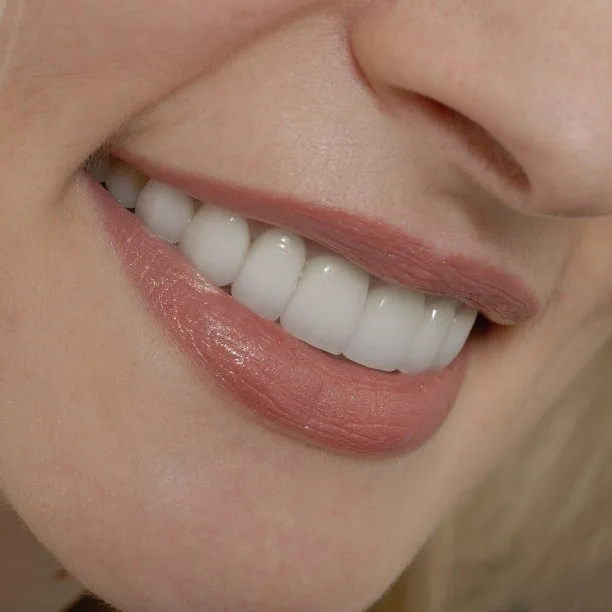
Pulling a tooth solves one problem, but creates another: now you have a gap. Depending on where the extracted tooth was located in your mouth, that empty space can cause neighboring teeth to shift over time, alter your bite, and make chewing less efficient. For teeth visible when you smile, there's an aesthetic consideration too.
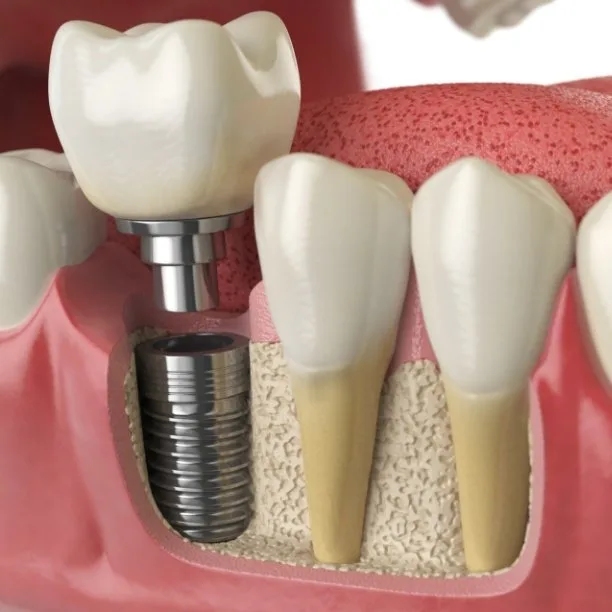
Replacement options include dental implants, bridges, and dentures, depending on how many teeth were removed and your specific situation. A dental implant mimics the natural tooth root and supports a crown that looks and functions like the real thing. Bridges use adjacent teeth as anchors to hold a false tooth in place. Partial dentures work well when multiple teeth are missing. Your dentist can walk you through the pros and cons of each option after the extraction site has healed enough to move forward with treatment.
Tooth Extractions FAQs
Your Questions, Answered!
Does Getting a Tooth Extracted Hurt?
It's not uncommon for patients to be hesitant to commit to treatment because they're afraid the procedure will hurt. Fortunately, whether you're getting one tooth pulled or multiple, the first step is always the same: numbing your mouth.
Some soreness and discomfort are to be expected following the procedure, however following your aftercare instructions to a tee can help not only prevent infection and reduce puffiness, but it can also promote healing.
Should your pain worsen or if you begin to exhibit signs of infection such as a fever, please contact Dr. Hardin right away.
Is There an Alternative to a Tooth Extraction?
Although tooth replacement options such as dental implants are extremely lifelike and durable, Dr. Hardin's top priority is to save your natural teeth.
To answer whether there's a suitable alternative to having your tooth extracted depends on the reason why Dr. Hardin is recommending it. For example, if it's due to excessive decay then a root canal may be a viable option. If it's from the side-effects of periodontal disease, root scaling and planing could restore your oral health. Unfortunately, however, if he's recommending extraction, these options may not be possible.
If you do require a tooth extraction to restore your smile and bite, you can rest assured that it is the best way to get you back to a strong, healthy and pain-free smile.
Can I Leave the Space Empty After a Tooth Extraction?
If the tooth that needs to be extracted is towards the back of your mouth, many patients believe that they don't need to replace it. After all, if you can't see it, why bother replacing it? But in reality, your teeth do so much more than just create a gorgeous smile! They're essential to doing things like chewing properly and enunciating clearly. In fact, even one missing back tooth can make it harder to chew, which can lead to poor nutrition and indigestion. Because your tongue makes a series of distinct movements against the back of your teeth to form words, missing a tooth towards the front of your mouth can cause a speech impediment or lisp.
Thus, to reduce the risk of developing one or more of these issues, it is recommended that once you are done healing you schedule an appointment with Dr. Hardin to find the tooth replacement option that works best for you.
What Risks Are Involved with Tooth Extractions?
Fortunately, tooth extractions are considered to be extremely safe. However, as with any dental procedure, there are always some risks. With tooth extractions, the primary risk is infection, which can easily spread throughout the body if it isn't treated promptly.
Dry socket is another risk, which can be both painful and delay your recovery process significantly.
To prevent this from happening, Dr. Hardin will provide you with an extensive list of tooth extraction aftercare instructions, as well as a few common symptoms of infection to look out for as you heal.
More to Explore
View All Services Jump to another area of care


In pain? Do not wait it out
Same-day appointments are available for dental emergencies. Book with Dr. Hardin and find out whether your tooth can be saved or needs to come out.
Book Appointment