
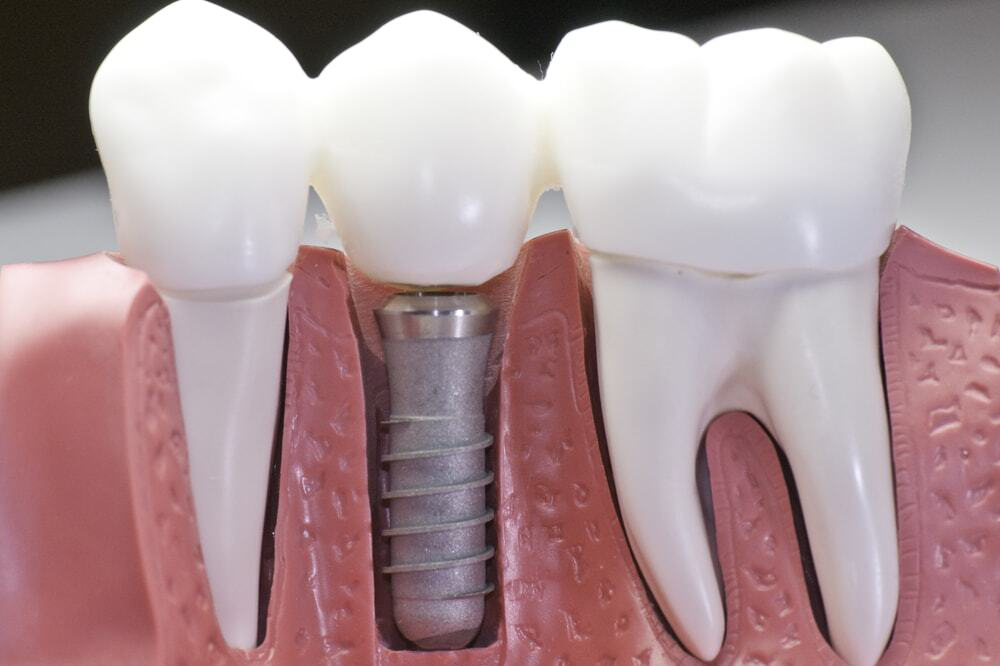
Dental implants are titanium posts that act as artificial tooth roots, fusing directly with your jawbone through a process called osseointegration. They create a solid foundation for crowns, bridges, or dentures without relying on neighboring teeth for support. A reliable dental clinic can walk you through the entire process from start to finish. This post covers how implants work, the placement process, and what makes them such a lasting solution for missing teeth. With proper care, dental implants can last a lifetime.
Dental Implants: An Overview
Dental implants offer a long-term fix for missing teeth by replacing them with artificial roots that bond with your jawbone. Made from titanium, a material the body accepts well, implants fuse with the bone through osseointegration. This bond provides a stable foundation for restorations like crowns, bridges, or dentures, giving you a natural-looking smile that actually functions. Unlike traditional dentures or bridges, implants help maintain bone density and don’t depend on the teeth next to them for support. With the right care, they can last your whole life. Knowing what implants can do helps you make smarter choices about your oral health.
The Placement Process
Getting dental implants involves several steps. The dentist surgically places the implant into your jawbone, where it serves as a sturdy base for the replacement tooth. After placement, you’ll need time to heal so the implant can fuse with the bone. Once healed, an abutment gets attached to the implant. This piece connects everything to the artificial tooth. The final step is placing a custom-made crown onto the abutment, completing the restoration. Throughout the process, precision and careful attention are crucial to ensuring the implant lasts.
Osseointegration: Fusion With Bone
Osseointegration is where the implant merges with the surrounding bone tissue to create a stable foundation for your replacement tooth. This fusion determines whether the implant succeeds long-term. Here are three key things to know about osseointegration:
- Biocompatibility: Implants use materials like titanium, which the body tolerates well, helping them integrate with bone.
- Microscopic Surface Structure: The implant surface is specially treated to help bone cells attach more quickly and accelerate the fusion process.
- Healing Time: Osseointegration usually takes a few months as the bone grows around the implant, locking it firmly in place.
Understanding these factors gives you a better picture of why dental implants are so strong and durable.
How Dental Implants Function
Dental implants serve as artificial tooth roots surgically placed in the jawbone to support crowns, bridges, or other dental prosthetics. The implant itself is typically made of titanium, a material that is well tolerated by the body. After placement, the implant fuses with the surrounding bone through osseointegration, creating a stable base for the prosthetic tooth. This fusion gives the implant strength and stability, allowing it to withstand the forces of chewing and talking. Because implants mimic natural tooth structure, they fit right in and provide a durable, long-lasting solution for tooth replacement.
Types of Dental Implants
Several types of dental implants exist, each designed to fit different patient needs. Here are three common options:
- Endosteal implants: These go directly into the jawbone and are the most common type used.
- Subperiosteal implants: Placed on or above the jawbone within the gum tissue, these work well for patients with shallow jawbones.
- Zygomatic implants: Used when there isn’t enough bone in the upper jaw, these longer implants anchor into the cheekbone for stability.
Benefits and Considerations
Dental implants offer many advantages over other tooth-replacement options, such as dentures or bridges. They look better, function better, and last longer. Implants provide a permanent solution for missing teeth while helping maintain jawbone density and preserving your facial structure. They can also boost your confidence by restoring a natural smile. That said, you should factor in the cost, potential surgical risks, and the time required for the whole process. Talking to a qualified dental professional helps you determine whether implants are the right fit for your specific situation.
Related Topics: