
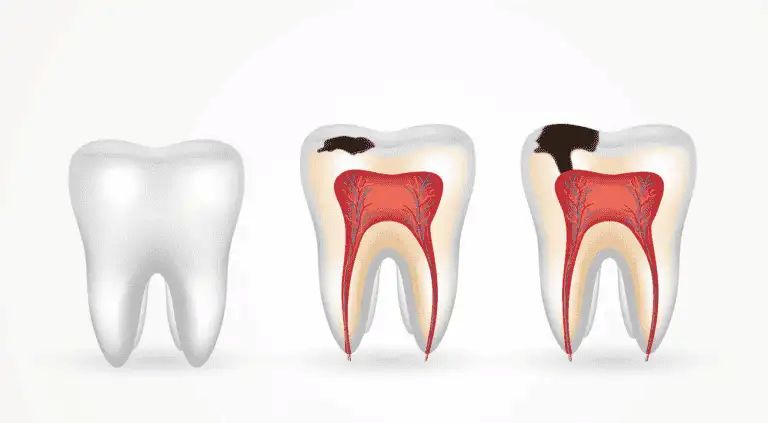
Most people have heard the term “cavities” but might not know what dental caries actually means. This post breaks down everything you need to know about tooth decay in simple terms. We’ll cover what causes it, how to spot it, and what your dentist can do to fix it. Excellent dental care starts with understanding the basics of how your teeth work and what threatens them. By the end of this article, you’ll have a clear picture of how to keep your smile healthy.
Definition of Dental Caries
Dental caries is just the clinical term for tooth decay or cavities. It happens when acids from bacteria break down the hard outer layer of your teeth, called enamel. This breakdown creates small holes that grow bigger over time if you don’t treat them. At first, you might not feel anything wrong. As the decay gets worse, you may notice sensitivity, pain, or dark spots on your teeth. Preventing cavities comes down to good brushing habits, regular dental visits, and cutting back on sugary foods and drinks.
Causes of Tooth Decay
Knowing what causes tooth decay helps you avoid it. The main culprit is bacteria in your mouth mixing with sugars from food and drinks. This combo produces acids that eat away at your tooth enamel. If you don’t brush and floss well, bacteria build up and raise your risk of decay. Snacking often on sugary or acidic foods speeds up the damage. Other factors include dry mouth, acid reflux, and certain medications that lower saliva production. Once you understand these causes, you can take steps to protect your teeth.
Signs and Symptoms
Catching dental caries early makes treatment easier. Watch for tooth sensitivity to hot, cold, or sweet foods. Pain when you bite down is another red flag. Dark spots or discoloration on your teeth could mean cavities are forming. Bad breath that won’t go away even after brushing might point to decay. If you notice any changes in how your teeth look or feel, schedule a dental visit. Regular checkups help catch problems before they get serious.
Diagnosing Cavities
Finding cavities early means simpler treatment and fewer complications. Dentists use several methods to spot decay. A visual exam and probing with dental tools can reveal obvious problem areas. X-rays show cavities hiding between teeth or under old fillings. Some offices use laser tools like DIAGNOdent that measure changes in tooth structure. Dentists may also apply dye solutions to make cavities stand out during exams. Getting regular checkups gives your dentist the best chance to catch decay before it spreads.
Preventive Measures
Good habits go a long way in stopping cavities before they start. Brush your teeth twice a day with fluoride toothpaste and floss daily to clear out plaque. A balanced diet with less sugar and fewer acidic foods protects your enamel. Dental checkups every six months catch any issues early so they don’t turn into bigger problems. Professional fluoride treatments and sealants add extra protection, especially in hard-to-reach spots. Using mouthwash, chewing sugar-free gum, and drinking plenty of water also help keep your mouth healthy.
Treatment Options
When cavities do happen, several treatments can fix the damage and restore your oral health. Getting treatment quickly stops the decay from spreading. Here are the most common options:
- Fillings: The dentist removes the decayed part and fills the hole with a durable material.
- Crowns: For larger areas of decay, a crown covers and protects the remaining tooth structure.
- Root Canal Therapy: When decay reaches the inner pulp of the tooth, a root canal removes the infected tissue and saves the tooth.
- Extraction: In severe cases where the tooth can’t be saved, pulling it prevents infection from spreading.
Your dentist will recommend the best option based on how far the decay has progressed and your specific situation.
Related Topics: