
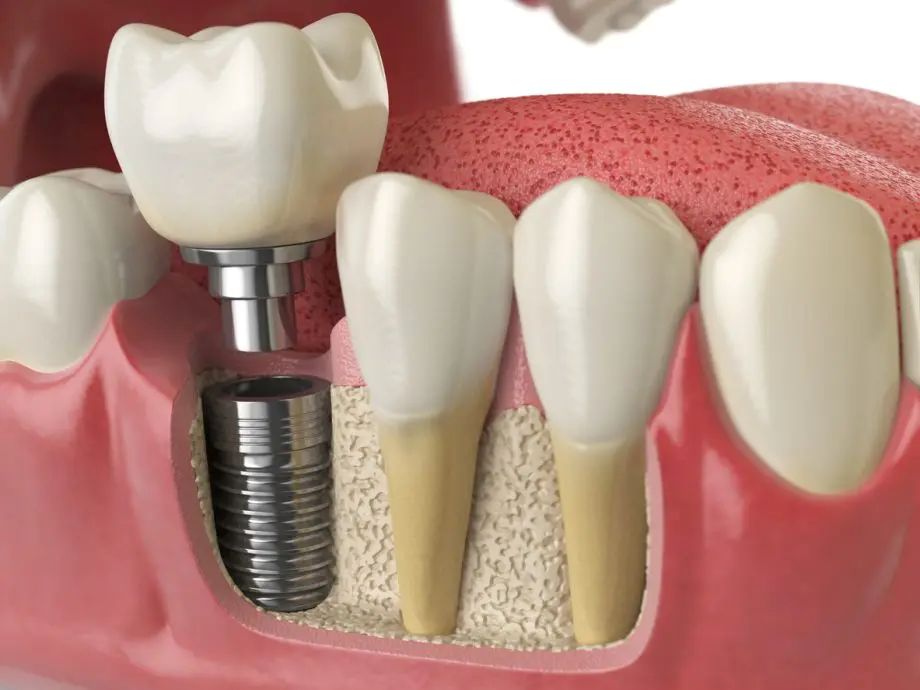
Dental implants have become a popular solution for replacing missing teeth. They offer stability, durability, and a natural feel that other options can’t match. Dental experts in Plano, TX, can help you determine whether dental implants are the right fit for your mouth and lifestyle. This guide covers the benefits, types, procedure steps, recovery tips, potential risks, and cost breakdowns. By the end, you’ll have a solid understanding of what to expect from start to finish.
Benefits of Dental Implants
Dental implants offer numerous advantages for people with missing teeth. They’re a long-term investment in your oral health that pays off over time. Implants provide stability and support to the teeth around them, which prevents shifting and potential jaw problems down the road. Unlike removable dentures, implants feel and work like real teeth, so you can eat and talk normally without worrying about slippage. They also help maintain your facial structure by preventing bone loss that occurs when teeth go missing. Implants are durable and have a high success rate, making them a solid choice for most patients. With the right care, they can last a lifetime and give you a comfortable, natural-looking smile.
Types of Dental Implants
Several types of dental implants exist, each designed to fit specific patient needs. The most common type is endosteal implants, which are surgically placed directly into the jawbone. Subperiosteal implants are another option; they sit on top of the jawbone, beneath the gum tissue. For patients with limited bone height, mini dental implants may be a better option due to their smaller size. Zygomatic implants are a specialized type that anchors into the cheekbone rather than the jaw and is usually used when traditional implants aren’t possible. Knowing these options helps you have a better conversation with your dentist about what makes sense for your situation.
The Dental Implant Procedure
Here’s a breakdown of the dental implant process, from the initial visit to the finished restoration.
- Initial Consultation and Evaluation: Your dentist will assess your oral health, bone structure, and medical history to determine whether you’re a good candidate for implants.
- Surgical Placement of Implant: An oral surgeon places the implant into your jawbone during a minor procedure under local anesthesia. This implant acts as the artificial tooth root.
- Healing and Osseointegration: Over the next few months, the implant fuses with your jawbone through a process called osseointegration. This creates a stable base for the final tooth.
- Final Restoration and Follow-Up: Once healed, your dentist attaches the crown (the visible part of the tooth) and schedules follow-up visits to ensure everything looks good.
Aftercare Tips for Implant Recovery
Taking care of yourself after dental implant surgery makes a big difference in your healing. Keep your mouth clean by gently brushing and flossing around the implant site to prevent infection. Use a soft-bristled toothbrush and a non-alcoholic mouthwash recommended by your dentist. Stay away from smoking and skip hard or sticky foods that could mess with the healing process. Watch for swelling and discomfort. Use ice packs when needed, and take any pain medication your dentist prescribed. Show up to your follow-up appointments so your dentist can track your progress and catch any issues early. Eating a balanced diet rich in vitamins and minerals helps your body recover faster. Good aftercare plays a major role in whether your implant succeeds in the long term.
Potential Risks and Complications
Even with excellent aftercare and a smooth surgery, dental implants can sometimes pose risks. While they’re generally safe and successful, you should know what could go wrong:
- Infection: Infections can develop around the implant site if you don’t maintain good oral hygiene after surgery.
- Implant Failure: Sometimes the implant doesn’t bond properly to the jawbone, leading to failure.
- Nerve Damage: There’s a small chance of nerve damage during placement, which can cause numbness or tingling in your mouth or lips.
- Bone Loss: Over time, bone can deteriorate around the implant if complications arise.
Understanding these risks helps you make smart decisions and stay on top of any warning signs during recovery.
Dental Implant Cost and Financing Options
The financial side of dental implants matters, so let’s break down costs and payment options. Implant prices vary based on how many you need, the complexity of the procedure, and any additional treatments. On average, a single implant costs between $1,000 and $3,000, and that doesn’t always include consultations, imaging, or post-op care. Financing options include dental insurance (if it covers implants), payment plans through your dental office, or medical financing companies that specialize in healthcare costs. Talk to your dentist or a financial advisor to find the payment option that best fits your budget.
Related Topics: