
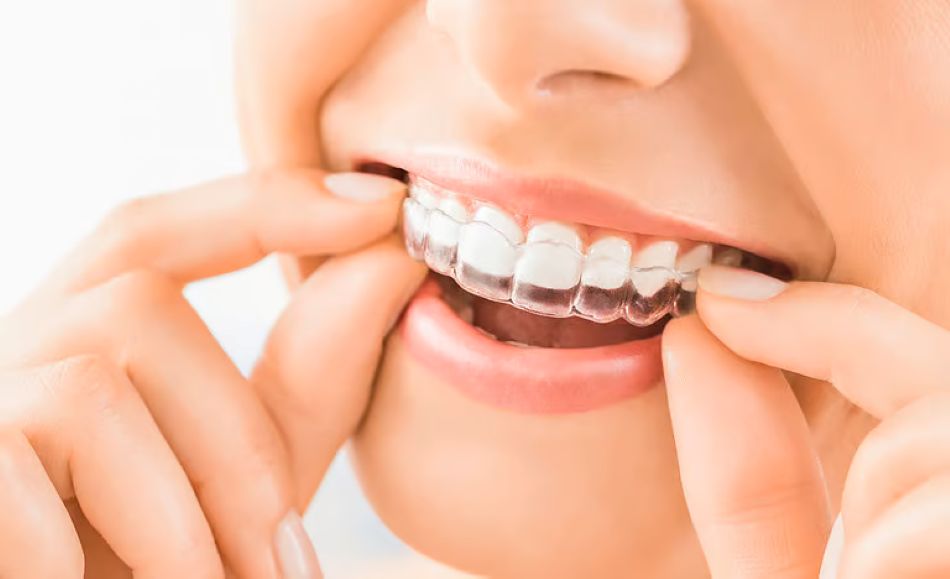
Invisalign offers a convenient and discreet way to straighten teeth, but there are several potential downsides to consider before starting treatment. While the benefits are substantial, it’s important to understand the commitment and challenges involved. The main cons include the need for high patient compliance, potential limitations with complex cases, the risk of losing or damaging removable aligners, and the possibility of higher costs than traditional braces. Additionally, patients may experience temporary discomfort, speech changes, and dietary restrictions. At Plano’s trusted dental clinic, consistent wear is crucial, and any lapses in compliance can delay treatment progress.
Maintenance Requirements
Proper maintenance is essential to ensure the effectiveness of Invisalign treatment. To achieve the best results, aligners must be worn for 20-22 hours each day, with removal only for eating and oral hygiene. This high wear-time requirement can be a significant commitment and may be challenging for some patients. Regular cleaning with a soft-bristle toothbrush and antibacterial soap is necessary to prevent bacteria and plaque buildup. It’s also essential to thoroughly rinse the aligners after cleaning to remove any residual debris that could affect oral health. When not in use, storing the aligners in their designated case is crucial to prevent loss or damage. Since aligners are removable, there’s always the risk of misplacing or damaging them, which could lead to delays and additional costs. By diligently following maintenance guidelines, patients can help ensure the success of their treatment.
Discomfort During Treatment
While Invisalign is generally considered comfortable, many patients experience some discomfort, particularly when transitioning to a new set of aligners. This discomfort is often described as pressure or soreness as the aligners gradually shift the teeth into their new positions. Temporary discomfort is common during the process, especially when switching to a new set. For some, the discomfort may be more pronounced, but over-the-counter pain relievers can often help manage it. It’s essential to communicate with an orthodontist if the discomfort persists or becomes severe. As with any orthodontic treatment, discomfort is to be expected, but it typically subsides as the teeth adjust.
Speech Challenges
Another potential drawback of Invisalign treatment is temporary changes in speech patterns, particularly in the early stages. The aligners may affect tongue placement and airflow, leading to a slight lisp or difficulty pronouncing certain sounds. This is most noticeable when wearing a new set of aligners, but usually fades as the mouth adjusts to them. Practicing speaking, reading aloud, and consciously enunciating words can help accelerate the adjustment process. Most patients find that their speech returns to normal after a few days or weeks of wearing the aligners.
Dietary Restrictions
Invisalign treatment requires specific dietary restrictions to maintain the integrity of the aligners. Since the aligners must be removed for all meals and drinks (except water), patients need to be diligent about brushing and flossing after eating before reinserting the aligners. Tricky, sticky, or sugary foods can damage the aligners or cause plaque buildup, increasing the risk of cavities. Acidic foods and drinks should also be limited, as they can cause discomfort and potentially damage the enamel. Adhering to these guidelines is essential for keeping the aligners in good condition and ensuring the treatment progresses as planned.
Compliance Issues
A major consideration for Invisalign users is the discipline required to achieve optimal results. The aligners must be worn for 20-22 hours daily, and any failure to follow this schedule can significantly hinder progress. Patients who forget to wear their aligners or fail to switch to the next set on time risk delaying their treatment. Non-compliance may result in longer treatment times or additional sets of aligners, ultimately affecting the outcome. As with any orthodontic treatment, consistent use is key to ensuring the best results.
Potential for Treatment Delays
Treatment delays can occur if the prescribed schedule for changing aligners is not followed. Each aligner set is designed to apply specific forces that gradually move the teeth into the desired positions. If aligners are not changed as scheduled, the teeth may not receive the necessary pressure, delaying progress. In addition, misplacing or damaging aligners could lead to treatment setbacks, requiring new aligners or adjustments. Ensuring that aligners are changed on time and worn as directed helps prevent these delays and provides timely results.
Limitations and Effectiveness
Invisalign is most effective for mild to moderate alignment issues, and it may not be suitable for more severe cases. Complex bite problems or significant tooth movements may require traditional braces to achieve the desired result. In some instances, SmartForce attachments may be needed to help the aligners fit better and apply the appropriate pressure on the teeth. These attachments can make the aligners more noticeable, which may be a concern for some patients.
Cost Considerations
While Invisalign is an excellent option for many, it can sometimes be more expensive than traditional braces, depending on the complexity of the treatment and your insurance coverage. The cost of Invisalign treatment can vary, and patients need to consider the financial implications before making a decision.
Contact Us
We’re here to help you achieve a healthy, confident smile. Whether you’re scheduling your first visit or have questions about our services, our friendly team is here to assist you.
📍 Our Office: 1820 Coit Rd #145, Plano, TX 75075
📞 Call Us: (972) 964-8989
📧 Email Us: staff@wpvdental.com
🕒 Office Hours
- Monday: 8:00 am – 5:00 pm
- Tuesday: 8:00 am – 2:00 pm
- Wednesday: 8:00 am – 5:00 pm
- Thursday: 9:00 am – 6:00 pm
- Friday: Closed
- Saturday: 8:00 am – 1:00 pm
- Sunday: Closed
💻 Schedule your appointment easily through our online booking system.
Related Topics: