Westpark Village Dental Care Blog

What Is a Dental Crown in Dentistry? A Clear Explanation

February 2, 2026

Dental crowns are one of the most common solutions for restoring damaged or weakened teeth. A skilled dental team can help you determine whether a crown is the right option for your situation. This post breaks down what dental crowns actually are, why dentists use them, and the different materials available. We’ll also walk through the procedure step by step and cover the benefits you can expect. Knowing how to care for your crown will help it last for years.

Definition of Dental Crown

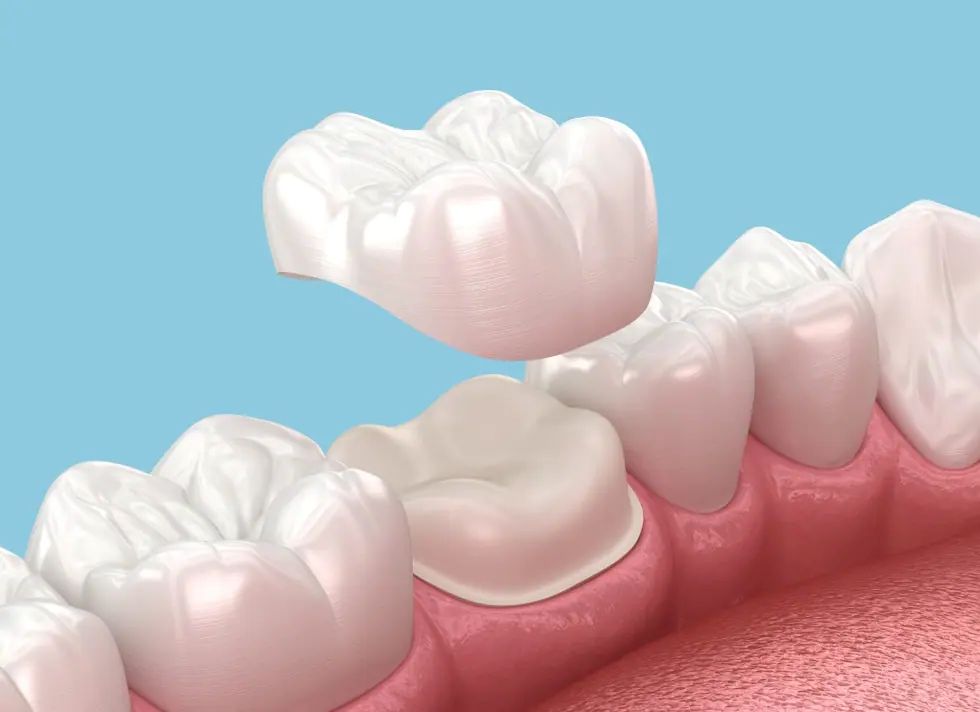
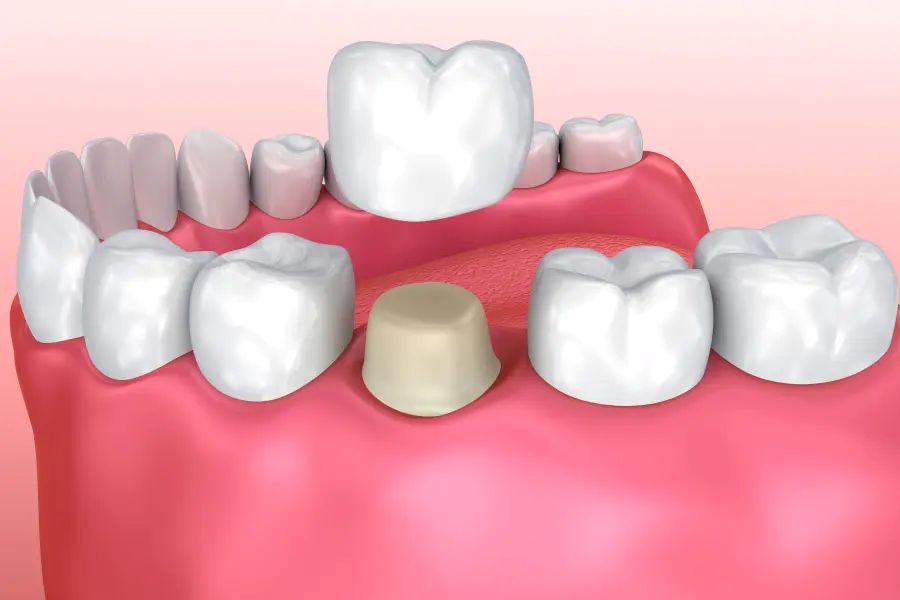
A dental crown is basically a tooth-shaped cap that fits over a damaged or weak tooth. It restores the tooth’s shape, size, and strength while making it look better, too. Crowns are commonly used after significant decay, large fillings, or root canal treatments. These caps can be made from materials such as porcelain, metal, or a combination of both, depending on the patient’s needs. The process involves reshaping the tooth for a proper fit, taking impressions for customization, and then cementing the crown securely in place. Dental crowns play a big role in preserving both the structure and appearance of a compromised tooth.

Purpose of Dental Crowns

The main goal of a dental crown is to protect and support a weakened or damaged tooth. When a tooth is badly decayed, cracked, or structurally compromised, a crown can bring back its strength and function. Crowns are custom-made caps that cover the entire visible part of a tooth above the gum line, completely wrapping it. By fitting snugly over the tooth, crowns act as a shield, preventing further damage and protecting the underlying tooth structure. This barrier also keeps the tooth aligned properly in your mouth, so your bite and chewing function stay on point. Dental crowns help maintain oral health by protecting compromised teeth and stopping potential problems before they start.

Types of Dental Crown Materials

Dentists use several types of crown materials to fit different patient needs and preferences. The most common options include metal, porcelain-fused-to-metal, all-ceramic, and zirconia crowns. Metal crowns (such as gold or silver alloys) are durable and require less tooth removal. Porcelain-fused-to-metal crowns look natural thanks to their tooth-colored exteriors. All-ceramic crowns are popular for their great appearance, making them a solid choice for front teeth. Zirconia crowns are known for their strength and are often used on back teeth. Each material has its pros and cons, so talking to your dentist helps determine the best fit for your specific situation.

Procedure for Getting a Dental Crown

Getting a dental crown involves a few straightforward steps. The dentist starts by reshaping the tooth so the crown can fit over it properly. Then they take impressions of the tooth and the surrounding teeth to ensure the crown fits perfectly. These impressions guide the creation of your custom crown. While the permanent crown is being made, the dentist places a temporary crown to protect the prepared tooth. Once the permanent crown is ready, the temporary one comes off, and the new crown gets cemented in place. The dentist makes any needed adjustments to get the fit and bite alignment right. Regular check-ups help monitor the condition of the crown and your overall oral health.

Benefits of Dental Crowns

Dental crowns offer solid protection and support for weak or damaged teeth. They restore strength and function to teeth that have undergone severe decay or damage. By covering the entire visible portion of the tooth, crowns prevent further breakdown and potential fractures. They also maintain proper alignment and bite structure, reducing the risk of tooth shifting over time. On top of that, dental crowns can make a tooth look better, improving your smile’s appearance. With proper care, crowns can last many years, making them a durable, long-term solution for dental problems. The benefits add up to better oral health for anyone dealing with tooth restoration.

Maintenance and Care for Dental Crowns

Taking care of your dental crown helps it last longer. Follow these three guidelines to get the most out of your crown:

  • Oral Hygiene: Brush and floss regularly to prevent plaque buildup around the crown area.
  • Regular Dental Check-ups: Schedule routine visits so your dentist can check on your crown’s condition and catch any issues early.
  • Avoid Hard Foods: Stay away from biting on hard objects or foods like ice and hard candies to prevent damage or loosening.


Related Topics:

How Long Do Dental Crowns Last on Average?

Dental crowns are a common fix for damaged or weakened teeth, but they don’t last forever. How long yours lasts depends on a few key factors worth understanding before you get one. Dependable dental services can help you pick the right crown material and maintain it properly over time. This post covers factors that affect crown lifespan, warning signs to watch for, and habits that can make or break your restoration. Knowing what to expect helps you take better care of your investment.

Factors Affecting Crown Longevity

The quality of materials used to make your crown has a big impact on how long it lasts. High-quality options like porcelain fused to metal or zirconia hold up better over time compared to cheaper alternatives. The dentist’s skill in placing the crown matters, too; proper tooth prep, accurate impressions, and precise fit all play a role in how well the crown performs. Maintaining good oral hygiene habits, such as brushing, flossing, and regular dental visits, helps protect the crown and prevent problems that could cut its lifespan short. Paying attention to these factors gives your crown the best shot at lasting.

Average Lifespan of Dental Crowns

Most dental crowns last somewhere between 5 and 15 years. The exact timeline depends on the material, how well you care for your teeth, and how accurately the crown was placed. Crowns made from tougher materials like zirconia or porcelain-fused-to-metal tend to outlast those made from weaker stuff. Good brushing and flossing habits, along with regular dental checkups, can stretch that lifespan even further. Some crowns make it past 15 years, but you’ll want to keep an eye on them as they age. Catching wear early means you can address issues before they become bigger problems.

Signs of Crown Wear and Tear

Keeping tabs on your crown helps catch problems before they get worse. Here’s what to look for:

  • Fractures: Visible cracks in the crown may indicate that the material is breaking down.
  • Discoloration: Color changes, especially near the gum line, may signal that the crown is wearing down.
  • Sensitivity: If hot, cold, or sweet foods suddenly bother the crowned tooth, something might be wrong with the crown or the tooth beneath it.
  • Looseness: Any wobbling or movement means you should get it checked right away to avoid further damage.

Maintenance Tips for Longevity

Taking care of your crown doesn’t require anything complicated. Brush with a non-abrasive fluoride toothpaste and floss daily to help prevent decay under the crown. Stay away from chewing ice or using your teeth to open packages. These habits put stress on the crown and can cause damage. Go in for regular dental checkups so any issues get caught early. If you grind your teeth at night, a nightguard can protect both your natural teeth and your crowns. Stick to these basics, and you’ll get the most life out of your restoration.

Impact of Oral Habits on Crowns

Your daily habits can make or break how long your crown lasts. Here are four things to keep in mind:

  • Teeth Grinding: Grinding (also called bruxism) puts heavy pressure on crowns, which can wear them down or crack them over time.
  • Using Teeth as Tools: Opening packages or biting down on hard objects can damage the crown’s structure.
  • Eating Hard Foods: Snacking on nuts, hard candy, or ice raises the risk of chipping or breaking your crown.
  • Skipping Oral Care: Poor brushing and flossing can lead to decay around the crown’s edges, weakening the entire crown.

When to Replace Dental Crowns

Crowns are built to last, but they’re not permanent. A few signs point to the need for replacement: visible cracks, chips, or fractures in the crown; decay forming around the edges; changes in sensitivity; or a crown that doesn’t fit as well as it used to. Regular dental visits help track the condition of your crown over time. If your dentist spots any of these issues, they’ll likely recommend replacing it before things get worse. Getting a new crown when needed protects the tooth underneath and prevents more extensive dental work down the road.


Related Topics:

What Are Dental Caries? A Simple Breakdown for Patients

Most people have heard the term “cavities” but might not know what dental caries actually means. This post breaks down everything you need to know about tooth decay in simple terms. We’ll cover what causes it, how to spot it, and what your dentist can do to fix it. Excellent dental care starts with understanding the basics of how your teeth work and what threatens them. By the end of this article, you’ll have a clear picture of how to keep your smile healthy.

Definition of Dental Caries

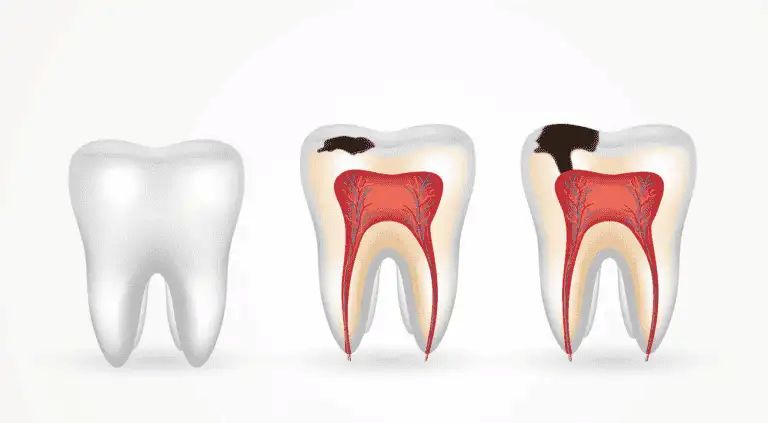
Dental caries is just the clinical term for tooth decay or cavities. It happens when acids from bacteria break down the hard outer layer of your teeth, called enamel. This breakdown creates small holes that grow bigger over time if you don’t treat them. At first, you might not feel anything wrong. As the decay gets worse, you may notice sensitivity, pain, or dark spots on your teeth. Preventing cavities comes down to good brushing habits, regular dental visits, and cutting back on sugary foods and drinks.

Causes of Tooth Decay

Knowing what causes tooth decay helps you avoid it. The main culprit is bacteria in your mouth mixing with sugars from food and drinks. This combo produces acids that eat away at your tooth enamel. If you don’t brush and floss well, bacteria build up and raise your risk of decay. Snacking often on sugary or acidic foods speeds up the damage. Other factors include dry mouth, acid reflux, and certain medications that lower saliva production. Once you understand these causes, you can take steps to protect your teeth.

Signs and Symptoms

Catching dental caries early makes treatment easier. Watch for tooth sensitivity to hot, cold, or sweet foods. Pain when you bite down is another red flag. Dark spots or discoloration on your teeth could mean cavities are forming. Bad breath that won’t go away even after brushing might point to decay. If you notice any changes in how your teeth look or feel, schedule a dental visit. Regular checkups help catch problems before they get serious.

Diagnosing Cavities

Finding cavities early means simpler treatment and fewer complications. Dentists use several methods to spot decay. A visual exam and probing with dental tools can reveal obvious problem areas. X-rays show cavities hiding between teeth or under old fillings. Some offices use laser tools like DIAGNOdent that measure changes in tooth structure. Dentists may also apply dye solutions to make cavities stand out during exams. Getting regular checkups gives your dentist the best chance to catch decay before it spreads.

Preventive Measures

Good habits go a long way in stopping cavities before they start. Brush your teeth twice a day with fluoride toothpaste and floss daily to clear out plaque. A balanced diet with less sugar and fewer acidic foods protects your enamel. Dental checkups every six months catch any issues early so they don’t turn into bigger problems. Professional fluoride treatments and sealants add extra protection, especially in hard-to-reach spots. Using mouthwash, chewing sugar-free gum, and drinking plenty of water also help keep your mouth healthy.

Treatment Options

When cavities do happen, several treatments can fix the damage and restore your oral health. Getting treatment quickly stops the decay from spreading. Here are the most common options:

  • Fillings: The dentist removes the decayed part and fills the hole with a durable material.
  • Crowns: For larger areas of decay, a crown covers and protects the remaining tooth structure.
  • Root Canal Therapy: When decay reaches the inner pulp of the tooth, a root canal removes the infected tissue and saves the tooth.
  • Extraction: In severe cases where the tooth can’t be saved, pulling it prevents infection from spreading.

Your dentist will recommend the best option based on how far the decay has progressed and your specific situation.


Related Topics:

What Is a Dental Filling in Dentistry? A Simple Breakdown for Patients

Dental fillings are one of the most common procedures you’ll come across in dentistry. They fix damaged teeth, stop decay from spreading, and help you chew without pain. If you’ve been putting off a visit to an affordable dental clinic in Plano, understanding what fillings involve might ease some of that hesitation. This post covers the different types of fillings, signs you might need one, what happens during the procedure, and how to care for your teeth afterward. We’ll also answer some frequently asked questions at the end.

Importance of Dental Fillings

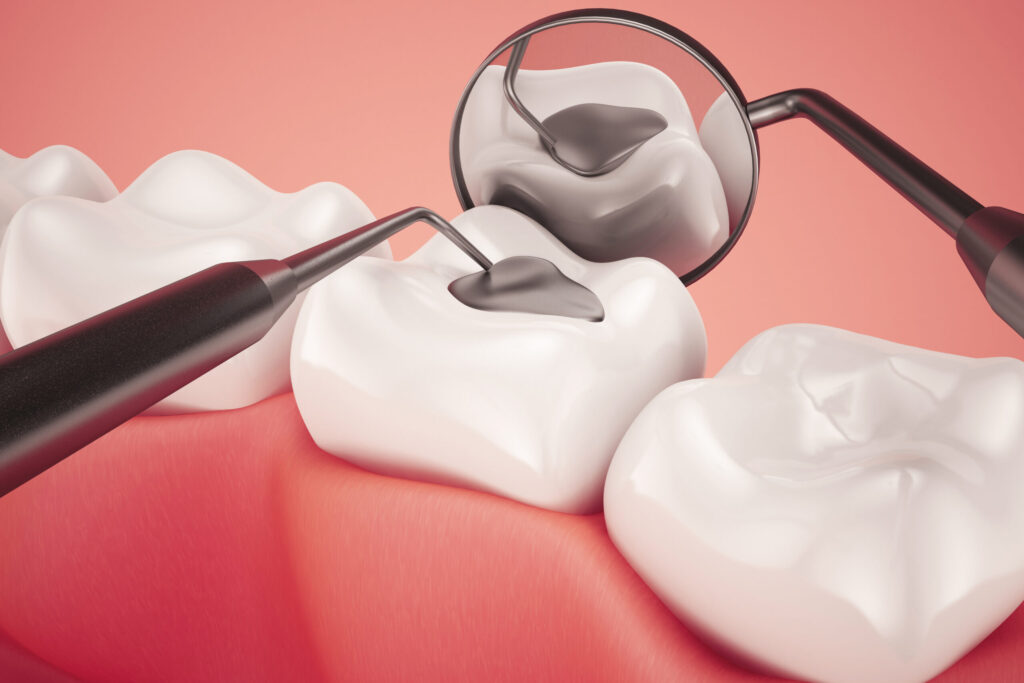
Dental fillings play a big role in keeping your mouth healthy by repairing damaged teeth and preventing decay from worsening. When a tooth has a cavity or a small crack, a filling restores its shape and lets it function normally again. Sealing off the damaged area keeps bacteria out and prevents bigger problems, such as infections or abscesses, down the line. Fillings also strengthen the tooth so you can chew and talk without issues. Regular dental checkups catch problems early, which can save you from losing a tooth entirely. Fillings help keep your teeth strong and your smile intact for years.

Types of Dental Fillings

There are several filling materials used to fix cavities and minor fractures:

  • Amalgam fillings: Durable and budget-friendly, but silver-colored and more noticeable.
  • Composite fillings: Match your natural tooth color for a seamless look.
  • Gold fillings: Known for lasting a long time and holding up well under pressure.
  • Ceramic fillings: Resist stains and work well with gum tissue.

Each type has its own strengths, making some better suited for certain situations than others. Your dentist can help you determine which option best fits your needs and budget.

Signs You Need a Filling

Sensitivity to hot or cold foods often signals that you might need a filling. Pain when you bite down, visible holes or pits in your teeth, or a persistent toothache are other common signs. Staining on the tooth surface or rough edges you can feel with your tongue can also point to a cavity. Regular dental checkups help detect these issues before they become bigger problems. Ignoring these symptoms can lead to more serious dental work later. If you notice any of these warning signs, schedule an appointment to get it checked out.

Procedure for Getting a Filling

The dentist starts by numbing the area around the tooth so you won’t feel any pain during the procedure. Here’s what happens next:

  1. Preparation: The dentist isolates the tooth using a rubber dam or cotton rolls to keep it dry.
  2. Removing Decay: A drill removes the decayed portion of the tooth.
  3. Cleaning: The area gets thoroughly cleaned to remove any leftover debris.
  4. Filling Placement: The dentist places the filling material, shapes it, and restores the tooth’s appearance and function.

The whole process usually takes less than an hour, depending on how much work the tooth needs.

Aftercare Tips for Fillings

Taking care of your fillings helps them last longer. Avoid chewing hard foods directly on the filled tooth right after the procedure to prevent damage. Brush twice a day and floss daily to keep your fillings and surrounding teeth in good shape. Regular dental checkups let your dentist monitor your fillings and catch any issues early. If you feel discomfort or sensitivity around the filled tooth, contact your dentist right away. Skip habits like nail-biting or pen chewing, as these can put extra pressure on your fillings. Following these steps helps your fillings stay strong for years.

FAQs About Dental Fillings

Here are answers to some common questions about dental fillings:

  1. How long do dental fillings last? Fillings typically last between 5 and 15 years, depending on the material and how well you maintain your oral hygiene.
  2. Are there different types of dental fillings available? Yes, fillings come in amalgam, composite resin, gold, and ceramic options.
  3. Do dental fillings hurt? Your dentist numbs the area during the procedure, so you shouldn’t feel pain. Some sensitivity afterward is normal.
  4. Can I eat normally after getting a dental filling? Wait until the numbness wears off before eating so you don’t accidentally bite your cheek or tongue.


Related Topics:

What Exactly Is Done During a Root Canal?

A root canal procedure involves removing infected dental pulp from the tooth’s interior chamber while preserving the outer tooth structure. Endodontists perform this treatment when bacteria infiltrate the tooth’s nerve tissue through cracks or deep decay. The procedure typically requires 1 to 3 visits,, depending on infection severity and the tooth’s complexity. Many people wonder what actually happens during those dental chair hours, and honestly, the process is more straightforward than most patients expect at Plano’s quality dental clinic. While the thought of root canal treatment can feel overwhelming, understanding each step helps reduce anxiety about this common dental procedure.

Step 1: Numbing and Creating Access

The dentist starts by administering a local anesthetic around the affected tooth, ensuring complete numbness in the surrounding gum tissue and jawbone. Once the area feels completely numb (usually takes about 10-15 minutes), a small access hole gets drilled through the crown of the tooth.

This opening provides direct access to the pulp chamber where the infected nerve tissue lives. A rubber dam is often placed around the tooth to keep the treatment area clean and prevent any debris from falling into your mouth during the procedure. The entire setup creates a sterile working environment, which is crucial for preventing reinfection.

Step 2: Removing the Infected Pulp

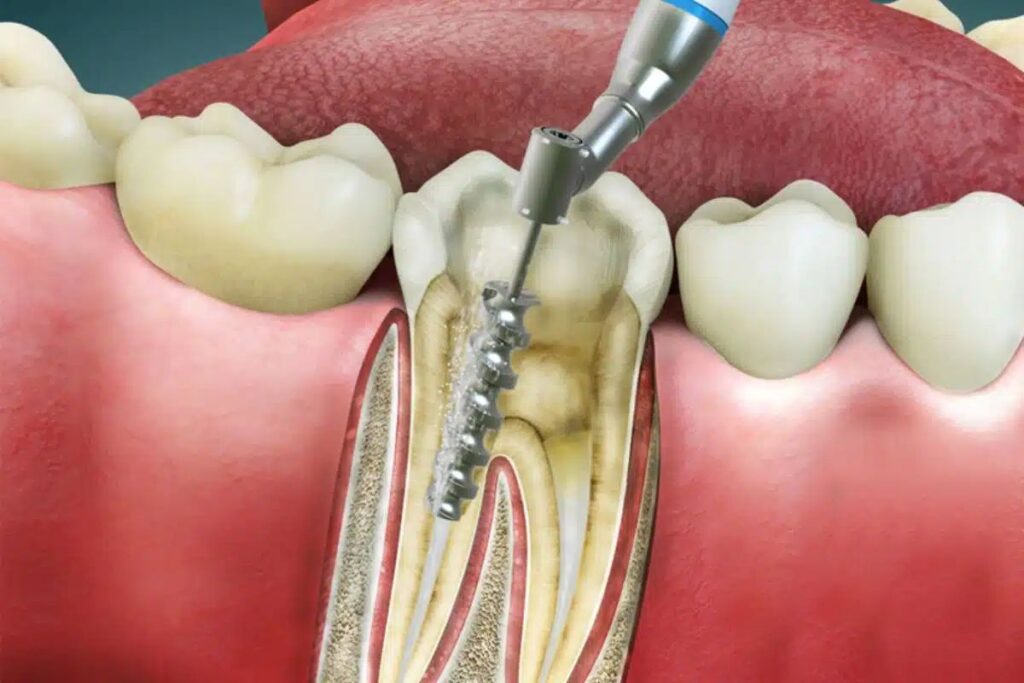
Here’s where the real work happens. Using specialized endodontic files, the dentist carefully removes all the infected pulp, nerve tissue, and blood vessels from both the main pulp chamber and the root canals. Think of it like cleaning out the inside of a straw, except these “straws” are incredibly tiny and curved.

The root canals get thoroughly cleaned and shaped with progressively larger files to remove every trace of bacteria and debris. Between each file size, the canals get flushed with antimicrobial solutions that kill any remaining bacteria hiding in microscopic spaces. This cleaning process might take 30-60 minutes, depending on how many roots your tooth has.

Step 3: Filling and Sealing the Canals

After the canals are completely clean and dry, they need to be filled to prevent future bacterial invasion. The dentist fills each canal with gutta-percha, a rubber-like biocompatible material that expands slightly to create an airtight seal. A special sealer paste gets applied alongside the gutta-percha to eliminate any tiny gaps.

The access hole in the crown is then sealed with either a temporary or a permanent filling material. For teeth with extensive damage, a temporary filling is usually placed first while a crown is fabricated in a dental lab.

Final Restoration: Protecting Your Investment

Most teeth that need root canals have already lost significant structure due to decay or fractures. That’s why dental crowns often become necessary after root canal treatment. The crown acts as a protective cap, restoring the tooth’s strength and preventing future fractures.

Some teeth with minimal damage can function fine with just a permanent filling, but your dentist will assess each case individually. The restoration choice depends on factors like remaining tooth structure, bite forces in that area, and your overall oral health.

Recovery and Aftercare Expectations

Post-treatment discomfort usually stays manageable with over-the-counter pain relievers. Many patients report that the relief from eliminating the infection outweighs any temporary soreness from the procedure itself. Avoiding hard foods for the first few days helps prevent complications.

Regular dental checkups become even more important after root canal treatment. While the tooth no longer has living nerve tissue, it can still develop problems, such as new decay around the crown margins or issues with the root structure. Most root canal treatments last for decades when properly maintained through good oral hygiene and routine dental care.

Patient reviews consistently show that modern root canal procedures cause much less discomfort than people expect. Advanced anesthetic techniques and improved equipment have transformed what used to be a dreaded dental experience into a routine treatment that effectively saves natural teeth.

Contact Us

We’re here to help you achieve a healthy, confident smile. Whether you’re scheduling your first visit or have questions about our services, our friendly team is here to assist you.

Our Office: 1820 Coit Rd #145, Plano, TX 75075

Call Us: (972) 964-8989

Email Us: staff@wpvdental.com

Office Hours

  • Monday: 8:00 am – 5:00 pm
  • Tuesday: 8:00 am – 2:00 pm
  • Wednesday: 8:00 am – 5:00 pm
  • Thursday: 9:00 am – 6:00 pm
  • Friday: Closed
  • Saturday: 8:00 am – 1:00 pm
  • Sunday: Closed

Schedule your appointment easily through our online booking system.


Related Topics:

Everything You Need to Know About Dental Bridges

January 3, 2026

Dental bridges offer a reliable way to replace missing teeth and restore your smile. These fixed prosthetic devices use your neighboring teeth as anchors to fill gaps and restore both appearance and function. The best dental clinic will walk you through the different types available and help you pick the right option for your situation. This post covers how bridges work, the benefits and drawbacks, and what to expect during the procedure. Understanding your options helps you make a smart decision about your oral health.

What Are Dental Bridges?

Dental bridges are fixed prosthetic devices designed to replace one or more missing teeth. They have two main parts: abutment teeth and pontics. Abutment teeth are the natural teeth or dental implants on either side of the gap that provide support. Pontics are artificial teeth that fill the gap and restore your ability to chew properly. Each bridge is custom-made to fit your mouth comfortably and securely. Beyond improving how your smile looks, bridges also keep surrounding teeth from shifting out of place and maintain proper bite alignment.

How Do Dental Bridges Work?

Dental bridges restore missing teeth by using neighboring teeth as anchors to hold an artificial tooth (called a pontic) in the gap. The process involves preparing the adjacent teeth by reshaping them to fit dental crowns. These crowns act as supports that hold the pontic firmly in place, creating a seamless row of teeth. By filling the gaps, bridges restore the appearance of a full smile and improve your ability to chew and speak. They also help keep surrounding teeth aligned and prevent shifting. With proper care, dental bridges can provide lasting function and aesthetic benefits for years.

Types of Dental Bridges

The four main types of dental bridges are traditional bridges, cantilever bridges, Maryland bonded bridges, and implant-supported bridges. Traditional bridges have one or more artificial teeth anchored by dental crowns on both sides. Cantilever bridges work the same way but only attach on one side. Maryland bonded bridges use a metal or porcelain framework bonded to the back of adjacent teeth. Implant-supported bridges get secured by dental implants surgically placed in the jawbone. Each type has its own pros and cons, so talking to a dental professional can help determine which option best fits your specific case.

Benefits of Dental Bridges

Dental bridges offer significant benefits for restoring both oral function and appearance. They provide a stable fix for missing teeth, making it easier to chew and speak. By filling gaps, bridges stop surrounding teeth from shifting and causing alignment problems. This keeps your bite and jaw functioning the way they should. Bridges also improve how your smile looks by giving you a full set of teeth again, which can boost your confidence. They spread out the force of your bite evenly, preventing extra strain on nearby teeth. With proper care, dental bridges can last a long time and serve as a durable tooth-replacement option.

Drawbacks of Dental Bridges

Despite their benefits, dental bridges have some downsides worth knowing before you decide. One major drawback is that healthy teeth next to the gap need to be reshaped to support the bridge, which can weaken them over time. Without proper oral hygiene, gum disease or decay can develop under the bridge and lead to complications. Another issue is that bridges don’t stimulate the jawbone as naturally as teeth do, which may lead to bone loss down the road. Bridges might not last as long as dental implants and may eventually need replacement. Weighing these drawbacks against the benefits is important when deciding whether a bridge is right for you.

Procedure for Getting Dental Bridges

Getting a dental bridge involves several steps spread across a few appointments. Your dentist starts by reshaping the abutment teeth so they can hold the dental crowns that support the bridge. Then, impressions of your teeth are taken to create a bridge that fits perfectly. While the permanent bridge is being made, you’ll wear a temporary one to protect your exposed teeth and gums. Once the final bridge arrives, your dentist checks the fit and makes any needed adjustments before cementing it into place. Regular checkups and solid oral hygiene keep your bridge working well and looking good for the long haul.


Related Topics:

Understanding How Dental Implants Work

Dental implants are titanium posts that act as artificial tooth roots, fusing directly with your jawbone through a process called osseointegration. They create a solid foundation for crowns, bridges, or dentures without relying on neighboring teeth for support. A reliable dental clinic can walk you through the entire process from start to finish. This post covers how implants work, the placement process, and what makes them such a lasting solution for missing teeth. With proper care, dental implants can last a lifetime.

Dental Implants: An Overview

Dental implants offer a long-term fix for missing teeth by replacing them with artificial roots that bond with your jawbone. Made from titanium, a material the body accepts well, implants fuse with the bone through osseointegration. This bond provides a stable foundation for restorations like crowns, bridges, or dentures, giving you a natural-looking smile that actually functions. Unlike traditional dentures or bridges, implants help maintain bone density and don’t depend on the teeth next to them for support. With the right care, they can last your whole life. Knowing what implants can do helps you make smarter choices about your oral health.

The Placement Process

Getting dental implants involves several steps. The dentist surgically places the implant into your jawbone, where it serves as a sturdy base for the replacement tooth. After placement, you’ll need time to heal so the implant can fuse with the bone. Once healed, an abutment gets attached to the implant. This piece connects everything to the artificial tooth. The final step is placing a custom-made crown onto the abutment, completing the restoration. Throughout the process, precision and careful attention are crucial to ensuring the implant lasts.

Osseointegration: Fusion With Bone

Osseointegration is where the implant merges with the surrounding bone tissue to create a stable foundation for your replacement tooth. This fusion determines whether the implant succeeds long-term. Here are three key things to know about osseointegration:

  • Biocompatibility: Implants use materials like titanium, which the body tolerates well, helping them integrate with bone.
  • Microscopic Surface Structure: The implant surface is specially treated to help bone cells attach more quickly and accelerate the fusion process.
  • Healing Time: Osseointegration usually takes a few months as the bone grows around the implant, locking it firmly in place.

Understanding these factors gives you a better picture of why dental implants are so strong and durable.

How Dental Implants Function

Dental implants serve as artificial tooth roots surgically placed in the jawbone to support crowns, bridges, or other dental prosthetics. The implant itself is typically made of titanium, a material that is well tolerated by the body. After placement, the implant fuses with the surrounding bone through osseointegration, creating a stable base for the prosthetic tooth. This fusion gives the implant strength and stability, allowing it to withstand the forces of chewing and talking. Because implants mimic natural tooth structure, they fit right in and provide a durable, long-lasting solution for tooth replacement.

Types of Dental Implants

Several types of dental implants exist, each designed to fit different patient needs. Here are three common options:

  • Endosteal implants: These go directly into the jawbone and are the most common type used.
  • Subperiosteal implants: Placed on or above the jawbone within the gum tissue, these work well for patients with shallow jawbones.
  • Zygomatic implants: Used when there isn’t enough bone in the upper jaw, these longer implants anchor into the cheekbone for stability.

Benefits and Considerations

Dental implants offer many advantages over other tooth-replacement options, such as dentures or bridges. They look better, function better, and last longer. Implants provide a permanent solution for missing teeth while helping maintain jawbone density and preserving your facial structure. They can also boost your confidence by restoring a natural smile. That said, you should factor in the cost, potential surgical risks, and the time required for the whole process. Talking to a qualified dental professional helps you determine whether implants are the right fit for your specific situation.


Related Topics:

Understanding the Lifespan of Dental Implants

Dental implants can last for decades when properly cared for, but several factors affect how long they’ll actually last. Bone density, your surgeon’s skill, and how well the implant is placed all matter. A reputable dental clinic will walk you through what to expect and how to keep your implants in good shape for years. Your daily habits, like brushing, flossing, and what you eat, also play a big role. This post covers everything that impacts implant longevity and what you can do to get the most out of your investment.

Factors Affecting Implant Longevity

Clinical studies show that several factors directly affect the longevity of dental implants. The quality of your jawbone matters a lot; adequate bone density and volume set the foundation for long-term success. The skill and experience of your dental implant surgeon also make a difference since precise placement helps the implant fuse properly with the bone. Smoking, uncontrolled diabetes, and poor oral hygiene can all shorten an implant’s lifespan. Regular follow-up visits and maintenance appointments help catch problems early. Understanding these factors gives you the best shot at keeping your implants for as long as possible.

Importance of Oral Hygiene

Good oral hygiene habits are the backbone of implant success. Proper care prevents peri-implant diseases like peri-implant mucositis and peri-implantitis, both of which can lead to implant failure. Use a soft-bristled brush with non-abrasive toothpaste, floss gently around the implant site, and rinse with antimicrobial mouthwash. Regular dental checkups and professional cleanings help spot issues before they get serious. Skipping oral care leads to plaque buildup, inflammation, and bone loss around the implant. By sticking to solid hygiene habits, you can extend your implant’s lifespan and protect your overall oral health.

Impact of Smoking on Implants

Smoking works against dental implants in multiple ways. Research shows that smoking restricts blood flow, slows healing, and weakens your immune system’s ability to fight infections. Nicotine and other harmful chemicals in cigarettes can trigger peri-implantitis, where the tissue around the implant gets inflamed and may cause the implant to fail. Smokers also face higher risks of bone loss and implant mobility. Studies confirm that smokers have a much higher implant failure rate than non-smokers. For the best results, patients should quit smoking before and after implant surgery.

Role of Regular Dental Check-ups

Regular dental checkups keep your implants healthy and stable over time. Here’s why these visits matter:

  • Early Detection: Checkups catch problems early, allowing for quick fixes before small issues turn into bigger ones.
  • Professional Cleaning: Dentists remove plaque and tartar buildup around implants during cleanings, reducing the risk of infection and implant failure.
  • Monitoring Bone Health: Your dentist tracks bone density around the implants to make sure they stay securely anchored in your jaw.

Dietary Considerations for Implants

What you eat affects how well your implants hold up over time. Focus on foods that support oral health and keep your implants stable. Foods high in calcium, vitamin D, and vitamin C help maintain strong bones and healthy gums, both of which your implants depend on. Stay away from super hard or sticky foods that could damage your implants. Cutting back on sugary foods and drinks helps prevent gum disease, which can mess with implant longevity. A balanced diet does more for your implants than most people realize.

Effective Implant Maintenance Techniques

Consistent care routines keep your dental implants working well for years. Here’s what helps:

  • Regular Brushing and Flossing: Brush twice a day with a soft-bristle brush and floss daily around the implant area to prevent plaque buildup and gum disease.
  • Professional Cleanings: Routine dental visits remove hardened plaque or tartar that regular brushing can’t reach.
  • Avoiding Harmful Habits: Skip smoking and go easy on staining substances like coffee or red wine to prevent discoloration and potential complications.

Following these maintenance techniques makes a real difference in how long your implants last and how well they perform.


Related Topics:

What Are the Three Types of Dentures?

Dentures offer an effective solution for replacing missing teeth, with three main types available: complete dentures, partial dentures, and implant-supported dentures. Complete dentures work best for patients who’ve lost all their teeth, while partial dentures fill specific gaps when some natural teeth remain. Implant-supported dentures get anchored directly into the jawbone, delivering superior stability and chewing power compared to traditional options. Materials range from durable acrylic resin for full dentures to flexible thermoplastic for partial replacements. At our leading dental clinic in Plano, TX, we help patients choose the right denture type based on their specific oral health needs and lifestyle requirements.

Understanding the Three Types of Dentures

The three types of dentures offer different solutions based on the extent of tooth loss and the specific needs of each patient.

  1. Partial Dentures: These are dental prostheses used by dentists to replace one or a cluster of missing teeth. Partial dentures are customized to fit the spaces left by missing teeth, helping prevent the remaining teeth from shifting and maintaining proper alignment.
  2. Full Dentures: Full dentures are better for individuals who need to replace all their teeth on the upper or lower jaw or both. They provide a complete restoration, offering both aesthetic improvement and functional support for eating and speaking.
  3. Implant-Supported Dentures: This type of denture uses dental implants to provide added stability. The implants are surgically placed into the jawbone, providing a strong base for the dentures and preventing slippage or discomfort that can occur with traditional dentures.

Complete Dentures

Complete dentures replace all of the natural teeth in either the upper, lower, or both jaws. Custom-made to fit the individual’s mouth, they restore not only the appearance of a smile but also improve the ability to chew and speak clearly. They’re typically recommended for people who have lost all their teeth. Full dentures are comfortable when properly fitted but may require adjustments over time for a better fit and function. Regular care, such as cleaning and dental check-ups, is important for maintaining their effectiveness. These dentures are crucial for people with missing teeth, contributing significantly to their quality of life.

Partial Dentures

Partial dentures are used when someone is missing a few teeth but still has several natural ones remaining. These dentures are custom-designed to fit the spaces left by missing teeth, ensuring they blend well with natural teeth. Partial dentures serve multiple purposes: improving chewing, restoring speech, and preventing adjacent teeth from shifting. Here are some important points about partial dentures:

  1. Customization: Each partial denture is made to fit the individual’s mouth and needs.
  2. Natural Look: Designed to integrate seamlessly with the natural teeth, they offer a realistic appearance.
  3. Enhanced Functionality: They improve chewing ability and speech by filling in the gaps left by missing teeth.
  4. Teeth Preservation: These dentures prevent remaining teeth from shifting out of place, preserving oral alignment.

Implant-Supported Dentures

Implant-supported dentures offer a more stable and secure option by using dental implants as a foundation. These implants are surgically placed in the jawbone and provide a strong base for dentures, minimizing slippage. The implant-supported design offers better chewing efficiency and greater comfort than traditional dentures. This option is especially useful for individuals who have lost multiple teeth but still have enough jawbone to support implants. Patients benefit from a natural-looking smile and enhanced confidence in their ability to eat and speak comfortably.

Traditional Complete Dentures

Classic complete dentures are a common option for replacing all teeth in one or both arches. Made from durable acrylic resin, these dentures fit securely in the mouth and restore full functionality. Here’s what makes traditional complete dentures effective:

  1. Material: Acrylic resin provides both durability and a natural look.
  2. Fitting Process: The process involves taking detailed impressions to ensure the dentures fit comfortably.
  3. Function: Complete dentures restore the ability to chew, speak clearly, and support facial muscles.
  4. Maintenance: Proper cleaning and regular dental check-ups are key to maintaining the longevity and function of these dentures.

Flexible Partial Dentures

Flexible partial dentures offer a comfortable and discreet solution for replacing missing teeth. Made from a thin, thermoplastic material, these dentures adjust easily to the contours of the mouth, providing a snug fit. The flexibility of these dentures allows them to feel more natural when speaking or eating, as they don’t put as much pressure on the gums as traditional rigid dentures. Additionally, their lightweight nature makes them less noticeable, offering a more comfortable experience. Flexible partial dentures are ideal for people seeking a practical, comfortable alternative that doesn’t compromise function.

All-on-4 Implant-Supported Dentures

All-on-4 dentures provide an innovative way to replace an entire arch of missing teeth with the added stability of dental implants. Here’s how they work:

  1. Implant Placement: Four implants are strategically placed in the jawbone, providing a stable foundation.
  2. Full Arch Restoration: All-on-4 dentures replace a full set of teeth, ensuring a complete, natural smile.
  3. Enhanced Stability: The implants securely hold the dentures in place, preventing any shifting or slipping.
  4. Improved Function: Patients can enjoy better chewing and speech, offering an alternative to traditional removable dentures.

This advanced approach offers individuals a permanent, fixed solution to missing teeth, providing both aesthetic and functional benefits.

Contact Us

We’re here to help you achieve a healthy, confident smile. Whether you’re scheduling your first visit or have questions about our services, our friendly team is here to assist you.

Our Office: 1820 Coit Rd #145, Plano, TX 75075

Call Us: (972) 964-8989

Email Us: staff@wpvdental.com

Office Hours

  • Monday: 8:00 am – 5:00 pm
  • Tuesday: 8:00 am – 2:00 pm
  • Wednesday: 8:00 am – 5:00 pm
  • Thursday: 9:00 am – 6:00 pm
  • Friday: Closed
  • Saturday: 8:00 am – 1:00 pm
  • Sunday: Closed

Schedule your appointment easily through our online booking system.


Related Topics:

A Comprehensive Guide to Dental Implants

Dental implants have become a popular solution for replacing missing teeth. They offer stability, durability, and a natural feel that other options can’t match. Dental experts in Plano, TX, can help you determine whether dental implants are the right fit for your mouth and lifestyle. This guide covers the benefits, types, procedure steps, recovery tips, potential risks, and cost breakdowns. By the end, you’ll have a solid understanding of what to expect from start to finish.

Benefits of Dental Implants

Dental implants offer numerous advantages for people with missing teeth. They’re a long-term investment in your oral health that pays off over time. Implants provide stability and support to the teeth around them, which prevents shifting and potential jaw problems down the road. Unlike removable dentures, implants feel and work like real teeth, so you can eat and talk normally without worrying about slippage. They also help maintain your facial structure by preventing bone loss that occurs when teeth go missing. Implants are durable and have a high success rate, making them a solid choice for most patients. With the right care, they can last a lifetime and give you a comfortable, natural-looking smile.

Types of Dental Implants

Several types of dental implants exist, each designed to fit specific patient needs. The most common type is endosteal implants, which are surgically placed directly into the jawbone. Subperiosteal implants are another option; they sit on top of the jawbone, beneath the gum tissue. For patients with limited bone height, mini dental implants may be a better option due to their smaller size. Zygomatic implants are a specialized type that anchors into the cheekbone rather than the jaw and is usually used when traditional implants aren’t possible. Knowing these options helps you have a better conversation with your dentist about what makes sense for your situation.

The Dental Implant Procedure

Here’s a breakdown of the dental implant process, from the initial visit to the finished restoration.

  • Initial Consultation and Evaluation: Your dentist will assess your oral health, bone structure, and medical history to determine whether you’re a good candidate for implants.
  • Surgical Placement of Implant: An oral surgeon places the implant into your jawbone during a minor procedure under local anesthesia. This implant acts as the artificial tooth root.
  • Healing and Osseointegration: Over the next few months, the implant fuses with your jawbone through a process called osseointegration. This creates a stable base for the final tooth.
  • Final Restoration and Follow-Up: Once healed, your dentist attaches the crown (the visible part of the tooth) and schedules follow-up visits to ensure everything looks good.

Aftercare Tips for Implant Recovery

Taking care of yourself after dental implant surgery makes a big difference in your healing. Keep your mouth clean by gently brushing and flossing around the implant site to prevent infection. Use a soft-bristled toothbrush and a non-alcoholic mouthwash recommended by your dentist. Stay away from smoking and skip hard or sticky foods that could mess with the healing process. Watch for swelling and discomfort. Use ice packs when needed, and take any pain medication your dentist prescribed. Show up to your follow-up appointments so your dentist can track your progress and catch any issues early. Eating a balanced diet rich in vitamins and minerals helps your body recover faster. Good aftercare plays a major role in whether your implant succeeds in the long term.

Potential Risks and Complications

Even with excellent aftercare and a smooth surgery, dental implants can sometimes pose risks. While they’re generally safe and successful, you should know what could go wrong:

  • Infection: Infections can develop around the implant site if you don’t maintain good oral hygiene after surgery.
  • Implant Failure: Sometimes the implant doesn’t bond properly to the jawbone, leading to failure.
  • Nerve Damage: There’s a small chance of nerve damage during placement, which can cause numbness or tingling in your mouth or lips.
  • Bone Loss: Over time, bone can deteriorate around the implant if complications arise.

Understanding these risks helps you make smart decisions and stay on top of any warning signs during recovery.

Dental Implant Cost and Financing Options

The financial side of dental implants matters, so let’s break down costs and payment options. Implant prices vary based on how many you need, the complexity of the procedure, and any additional treatments. On average, a single implant costs between $1,000 and $3,000, and that doesn’t always include consultations, imaging, or post-op care. Financing options include dental insurance (if it covers implants), payment plans through your dental office, or medical financing companies that specialize in healthcare costs. Talk to your dentist or a financial advisor to find the payment option that best fits your budget.


Related Topics: