If you’ve ever wondered what goes into making dentures, you’re not alone. Many people are curious about the materials used to make these tooth replacements. Your local dental clinic can explain the options available based on your needs and budget. From acrylic resin to porcelain to metal alloys, each material serves a specific purpose. This guide breaks down the most common denture materials, so you know exactly what you’re getting.
Acrylic Resin
Acrylic resin is one of the most common materials used to make dentures. It’s durable, lightweight, and can be shaped to fit your mouth perfectly. The material provides a sturdy base while still allowing for adjustments down the line. Dentists like it because it holds up well against daily wear and tear. If your dentures ever need tweaking, acrylic resin makes that process pretty straightforward.
Porcelain
Porcelain gives dentures a natural, tooth-like appearance that’s hard to beat. It’s made by heating kaolin, feldspar, and quartz to high temperatures. The result is a finish that mimics the way real teeth reflect light. Porcelain resists staining well, so your dentures keep their color longer. The downside? It can chip or crack if you drop it or bite down on something too hard. That’s why porcelain is mainly used for front teeth where looks matter most.
Metal Alloys
Metal alloys offer strength and durability. These are usually made from a mix of cobalt, chromium, and nickel. The combination resists corrosion and handles the daily stress of chewing without bending or breaking. Metal alloy dentures tend to last longer than other options, and they’re safe for use in your mouth if you want something that will hold up for years. Consider metal alloys.
Flexible Polymer
Flexible polymers have become popular because they’re more comfortable than rigid materials. Thermoplastics like polyethylene or nylon bend slightly, which means they distribute pressure more evenly when you chew or talk. This reduces sore spots and irritation. The material also adapts to your gums better, giving you a snugger fit. Bonus: flexible polymers can look a lot like natural gum tissue, so your dentures appear more realistic.
Nylon
Nylon is a synthetic material that’s both tough and flexible. Dentures made from nylon are lightweight and resist fractures better than traditional options. The smooth surface means less irritation inside your mouth. If adjustments or repairs are needed, nylon makes that easier. These dentures can also be designed to look like real teeth, giving you a natural smile without the bulk.
Composite Materials
Composite materials blend acrylic resin with fibers like glass or quartz. The acrylic provides a smooth, durable surface while the fibers add extra strength. These dentures are lightweight and comfortable for all-day wear. They blend in well with your gums and resist stains. If you need adjustments later, composites make that easy without much hassle. It’s a solid choice if you want something that looks good and performs well.
Dentures need regular cleaning just like natural teeth do. Without proper maintenance, bacteria and plaque can build up fast, leading to bad breath, gum irritation, and even infections. Quality dental care at home doesn’t have to be complicated; it just takes the right routine. This guide covers everything from soaking and brushing to storage and when to see your dentist. Follow these simple steps to keep your dentures fresh, comfortable, and lasting longer.
Soaking Dentures in Cleansing Solution
Soaking your dentures overnight in a denture-cleaning solution helps break down plaque and kill bacteria. This loosens any buildup, so brushing them the next morning is much easier. Skip regular toothpaste for this; it’s too abrasive and can scratch the surface. Make sure the dentures are fully submerged, and follow the directions on your cleaner for the recommended soaking time. This habit keeps your dentures looking good and helps prevent oral health problems caused by bacteria sitting on the surface.
Brushing Dentures Gently
Brushing your dentures daily keeps them clean between soaks. Here’s how to do it right:
Use a Soft-Bristled Brush: Pick one designed for dentures to avoid scratching or damaging them.
Avoid Harsh Cleaners: Stick to mild soap or denture-specific paste, nothing abrasive.
Brush Thoroughly: Hit all the surfaces, especially the small grooves where bacteria like to hide.
Rinse After Brushing: Wash off any leftover soap or cleaner before putting them back in your mouth.
Rinsing Dentures Thoroughly
After brushing, hold your dentures under running water and make sure every surface gets rinsed. Use your fingers to gently rub away anything still clinging on. Don’t forget that the cleaning solution left behind on the inside and outside can irritate your gums. Pay extra attention to the grooves and crevices where residue tends to stick. A good rinse takes only a minute but goes a long way toward keeping your dentures comfortable and in good shape.
Cleaning Denture Storage Container
Your denture case needs cleaning, too. Bacteria can grow in there if you ignore them. Here’s what to do:
Wash the container daily with warm water and mild soap.
Use a soft-bristled brush just for the case, not the same one you use on your dentures.
Rinse it well to remove any soap residue.
Let it air dry completely before putting your dentures back in.
Avoiding Hot Water for Dentures
Hot water is a no-go for dentures. It can warp the material and mess with the fit, making them uncomfortable to wear. Stick to lukewarm or cool water when rinsing or soaking. Heat also breaks down the acrylic over time, shortening the lifespan of your dentures and even changing their color. Handle them gently, clean them properly, and skip the hot water. Your dentures will stay in better condition for years.
Regular Dental Check-Ups for Dentures
Even with great home care, you still need to see your dentist regularly. These visits help catch problems early and keep your dentures fitting right. Here’s why check-ups matter:
Professional Assessment: Your dentist can spot fit issues or damage you might miss.
Oral Health Monitoring: They’ll check your gums and mouth for any signs of trouble.
Adjustments and Repairs: If something’s off, they can fix or tweak your dentures on the spot.
Preventative Care: Catching small issues early stops them from turning into bigger (and pricier) problems.
If you’ve ever looked in the mirror and wished your teeth looked a little different, you’re not alone. Chips, stains, gaps, and uneven teeth are common concerns that affect how people feel about their smiles. Dental veneers have become one of the most popular ways to fix these issues without major dental work. A dependable dental clinic can walk you through the entire process and help you decide if veneers are right for you. This post breaks down what veneers are, the different types available, how they’re placed, and what it takes to keep them looking great.
Types of Dental Veneers
There are a few veneer options, and understanding the differences can help you pick the one that works best for you. Porcelain veneers are the most common choice because they’re durable, look natural, and resist stains well. Composite resin veneers cost less upfront but don’t last as long and can stain over time. Instant veneers are prefabricated and can be placed in a single visit, making them suitable for quick fixes of minor cosmetic issues. Lumineers are ultra-thin and require little to no tooth prep, making the process reversible if needed. Each type has its pros and cons, so talking to a dental professional helps narrow down the best fit.
The Process of Getting Veneers
Getting veneers involves a few steps to make sure everything fits and looks right. It starts with a dental visit where your dentist checks your oral health and talks through what you want to achieve. From there, a treatment plan is built, sometimes including digital impressions or mock-ups, so you can see what the final result might look like. Next, a small amount of enamel is removed from your teeth so the veneers sit flush. The custom veneers are then made in a lab based on your exact specifications. Once ready, they’re bonded to your teeth for a natural, polished look.
Cosmetic Benefits of Veneers
Veneers can address many smile concerns at once. They cover up discoloration, chips, cracks, and gaps to give teeth a smooth, even appearance. You also get to choose the shade, shape, and size of your veneers, so the result matches what you’re going for. Veneers can even out asymmetry and alignment issues, creating a more balanced smile overall. The result looks natural and blends in with your facial features. For many people, that kind of change does wonders for their confidence.
Durability and Longevity
Veneers are built to last. They’re made from strong materials like porcelain or composite resin, both of which hold up well against everyday use and staining. With proper care, veneers typically last 10 to 15 years. Maintaining oral hygiene and avoiding habits like teeth grinding can further extend that lifespan. Even though they’re thin, veneers can handle normal chewing and daily wear without issues.
Maintenance and Care Tips
Taking care of veneers isn’t complicated, but it does require consistency. Brush with a non-abrasive toothpaste, floss daily, and use mouthwash to keep everything clean. Avoid biting down on hard objects, chewing ice, or using your teeth to open packages; all of that can cause chips or cracks. Regular dental checkups let your dentist catch wear and other problems early. Cutting back on staining substances like coffee, tea, and tobacco helps keep veneers looking fresh longer.
Potential Risks and Considerations
Veneers are strong, but they’re not indestructible. Biting on hard objects or grinding your teeth can cause chips or breaks over time. Poor oral hygiene can lead to gum disease, which can shorten the lifespan of your veneers. Habits like nail-biting or using teeth as tools should be avoided. Staying on top of dental visits and professional cleanings, and limiting staining substances, will help your veneers stay in good shape for years.
Dentures don’t last forever, and most people wonder when they’ll need a replacement. The average pair lasts about 5 to 10 years with good care. This guide breaks down what determines how long your dentures will last and how to get the most out of them. From daily cleaning habits to the foods you eat, several factors come into play. If you’re looking for reliable dental care in Plano, understanding denture maintenance can help you make smarter decisions about your oral health.
Average Lifespan of Dentures
Most dentures last somewhere between five and ten years. That range depends on how well you take care of them, how often you wear them, and what they’re made of. Good cleaning habits and proper storage make a big difference. Regular dental appointments help catch problems early, before they become bigger issues. Higher-quality materials tend to hold up longer, so it’s worth asking your dentist about your options. Taking care of your dentures means they’ll stay comfortable and functional for years.
Impact of Daily Care Routine
How you clean your dentures every day affects how long they last. Use a soft-bristled brush and a non-abrasive cleaner to scrub away food particles, plaque, and bacteria. This prevents stains and keeps them smelling fresh. Handle them carefully; dropping dentures on a hard surface can crack or chip them. When you’re not wearing them, store them in water or denture solution to prevent them from drying out and warping. Regular dental visits help make sure they still fit right and stay in good shape.
Influence of Diet and Habits
What you eat and your daily habits play a role in denture longevity. Eating plenty of fiber, lean protein, and calcium supports overall oral health and helps prevent gum issues that can mess with your denture fit. Be careful with sticky or hard foods since they can cause damage over time. Smoking and heavy drinking lead to oral health problems that affect how well your dentures fit and how long they last. Staying hydrated helps keep your mouth from drying out, making your dentures feel more comfortable.
Role of Denture Quality
The quality of your dentures matters more than you might think. Well-made dentures use durable materials like acrylic resin or porcelain that can handle daily chewing and talking without breaking down fast. Precise fabrication methods, like CAD/CAM technology, create a custom fit that reduces discomfort and lowers the risk of oral health problems. Quality dentures resist fractures, chips, and general wear much better than cheaper alternatives. Spending a bit more upfront on dentures from a trusted dental professional usually pays off with longer-lasting results.
Effect of Regular Dental Check-ups
Regular visits to your dentist help your dentures last longer. During these visits, your dentist checks the fit, looks for wear or damage, and addresses any oral health issues that could affect performance. They can adjust the fit so your dentures stay comfortable and don’t cause sore spots. Professional cleanings remove plaque and tartar buildup, which lowers your risk of gum disease and infections. Staying on top of these appointments means your dentures keep working well and your mouth stays healthy.
Environmental Factors and Storage
How you store your dentures when you’re not wearing them matters. Keep them moist in water or a soaking solution to prevent warping. Avoid leaving them near heat sources since extreme temperatures can change their shape. Sunlight causes discoloration, so a dark, cool spot works best. Always put them in a protective container to prevent damage or accidental loss. Clean them regularly with a gentle cleanser and soft brush to keep them in good condition.
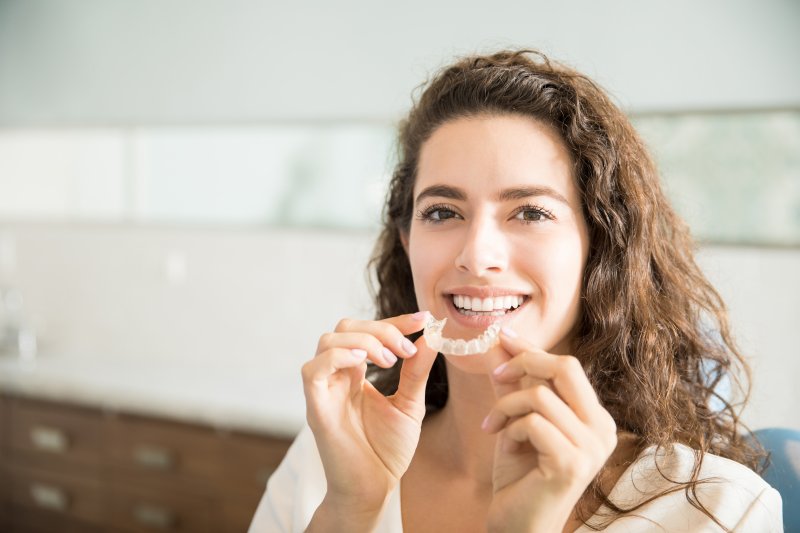
Invisalign offers a convenient and discreet way to straighten teeth, but there are several potential downsides to consider before starting treatment. While the benefits are substantial, it’s important to understand the commitment and challenges involved. The main cons include the need for high patient compliance, potential limitations with complex cases, the risk of losing or damaging removable aligners, and the possibility of higher costs than traditional braces. Additionally, patients may experience temporary discomfort, speech changes, and dietary restrictions. At Plano’s trusted dental clinic, consistent wear is crucial, and any lapses in compliance can delay treatment progress.
Maintenance Requirements
Proper maintenance is essential to ensure the effectiveness of Invisalign treatment. To achieve the best results, aligners must be worn for 20-22 hours each day, with removal only for eating and oral hygiene. This high wear-time requirement can be a significant commitment and may be challenging for some patients. Regular cleaning with a soft-bristle toothbrush and antibacterial soap is necessary to prevent bacteria and plaque buildup. It’s also essential to thoroughly rinse the aligners after cleaning to remove any residual debris that could affect oral health. When not in use, storing the aligners in their designated case is crucial to prevent loss or damage. Since aligners are removable, there’s always the risk of misplacing or damaging them, which could lead to delays and additional costs. By diligently following maintenance guidelines, patients can help ensure the success of their treatment.
Discomfort During Treatment
While Invisalign is generally considered comfortable, many patients experience some discomfort, particularly when transitioning to a new set of aligners. This discomfort is often described as pressure or soreness as the aligners gradually shift the teeth into their new positions. Temporary discomfort is common during the process, especially when switching to a new set. For some, the discomfort may be more pronounced, but over-the-counter pain relievers can often help manage it. It’s essential to communicate with an orthodontist if the discomfort persists or becomes severe. As with any orthodontic treatment, discomfort is to be expected, but it typically subsides as the teeth adjust.
Speech Challenges
Another potential drawback of Invisalign treatment is temporary changes in speech patterns, particularly in the early stages. The aligners may affect tongue placement and airflow, leading to a slight lisp or difficulty pronouncing certain sounds. This is most noticeable when wearing a new set of aligners, but usually fades as the mouth adjusts to them. Practicing speaking, reading aloud, and consciously enunciating words can help accelerate the adjustment process. Most patients find that their speech returns to normal after a few days or weeks of wearing the aligners.
Dietary Restrictions
Invisalign treatment requires specific dietary restrictions to maintain the integrity of the aligners. Since the aligners must be removed for all meals and drinks (except water), patients need to be diligent about brushing and flossing after eating before reinserting the aligners. Tricky, sticky, or sugary foods can damage the aligners or cause plaque buildup, increasing the risk of cavities. Acidic foods and drinks should also be limited, as they can cause discomfort and potentially damage the enamel. Adhering to these guidelines is essential for keeping the aligners in good condition and ensuring the treatment progresses as planned.
Compliance Issues
A major consideration for Invisalign users is the discipline required to achieve optimal results. The aligners must be worn for 20-22 hours daily, and any failure to follow this schedule can significantly hinder progress. Patients who forget to wear their aligners or fail to switch to the next set on time risk delaying their treatment. Non-compliance may result in longer treatment times or additional sets of aligners, ultimately affecting the outcome. As with any orthodontic treatment, consistent use is key to ensuring the best results.
Potential for Treatment Delays
Treatment delays can occur if the prescribed schedule for changing aligners is not followed. Each aligner set is designed to apply specific forces that gradually move the teeth into the desired positions. If aligners are not changed as scheduled, the teeth may not receive the necessary pressure, delaying progress. In addition, misplacing or damaging aligners could lead to treatment setbacks, requiring new aligners or adjustments. Ensuring that aligners are changed on time and worn as directed helps prevent these delays and provides timely results.
Limitations and Effectiveness
Invisalign is most effective for mild to moderate alignment issues, and it may not be suitable for more severe cases. Complex bite problems or significant tooth movements may require traditional braces to achieve the desired result. In some instances, SmartForce attachments may be needed to help the aligners fit better and apply the appropriate pressure on the teeth. These attachments can make the aligners more noticeable, which may be a concern for some patients.
Cost Considerations
While Invisalign is an excellent option for many, it can sometimes be more expensive than traditional braces, depending on the complexity of the treatment and your insurance coverage. The cost of Invisalign treatment can vary, and patients need to consider the financial implications before making a decision.
Contact Us
We’re here to help you achieve a healthy, confident smile. Whether you’re scheduling your first visit or have questions about our services, our friendly team is here to assist you.
After dental work, that weird numb feeling can stick around longer than you’d like. The goal is to restore normal sensation safely and simply, avoiding any actions that could harm your mouth while it’s still numb. Basic steps, such as staying hydrated, gently moving your jaw, adding warm comfort, light massage, and chewing sugar-free gum, can help speed up the process. These tips aim to alleviate numbness while maintaining the safety and comfort of your mouth. With guidance from an expert dental clinic, you can use these simple steps to feel normal again sooner.
Stay Hydrated
Drinking enough water helps your body flush out the anesthesia faster, which can reduce numbness. Aim for plenty of water throughout the day to support healing and keep your mouth comfortable. Hydration also benefits your mouth by supporting saliva flow and overall oral health. Keep a bottle nearby so sipping is easy and you stay consistent. Staying hydrated is one of the easiest ways to help your body recover smoothly.
Move Your Jaw
Gentle jaw movement can help improve blood flow and reduce numbness. Slowly open and close your mouth a few times, then move your jaw side to side with light effort. Avoid forcing your jaw or pushing through discomfort. A little motion goes a long way and helps your muscles relax. Keep movements slow and easy so you don’t strain the area.
Apply Warm Compress
A warm compress can boost circulation and speed up the sensation returning. Use a warm, not hot, cloth and place it on the numb area for about 10 to 15 minutes. Check the temperature first to avoid burns. You can repeat this a few times a day for comfort and quicker recovery. Gentle warmth often helps the area wake up faster.
Massage the Area
A gentle, light massage can help increase blood flow and relax the muscles surrounding the numb area. Use your fingers to gently rub in small circles around the area. Avoid pressing hard since the skin and tissues may still be sensitive. A calm touch helps encourage feeling to return without irritation. Pairing a light massage with warm compresses can make relief come sooner.
Chew Sugar-Free Gum
Chewing sugar-free gum encourages saliva and gentle jaw movement, both of which help numbness fade. Choose gum with xylitol when possible to support oral health. Keep chewing slowly and relaxed to avoid soreness or biting the inside of your cheek. A few minutes at a time is enough to get benefits. This simple trick is easy to do and helps many people feel normal faster.
Avoid Hot Foods
Hot foods and drinks are risky when you can’t fully feel your mouth because you might burn yourself without realizing it. Stick to cooler or room-temperature options until you feel fully recovered. Soups, hot tea, and similar items should be avoided until the numbness has gone away. Protecting your mouth makes recovery easier and more pain-free. Staying mindful of temperature prevents accidental injuries.
After a dental procedure, many patients wonder how long the numb feeling will last. The time it takes to recover can vary depending on the type of anesthesia used, how your body reacts, and the area being treated, but most people regain a full feeling within a few hours. Local anesthesia usually fades within 1 to 8 hours, with routine visits clearing sooner than major treatments. Taking care of your mouth, staying hydrated, and following instructions helps the feeling return smoothly while avoiding accidental bites. Good habits and professional dental care make recovery easier and more comfortable.
Factors Influencing Numbing Duration
Several factors influence the duration of numbness after dental work. The type and amount of anesthesia matter, with common ones like lidocaine working faster and wearing off in a few hours. Blood flow in the treated area, your body’s metabolism, and the sensitivity of your nerves can also affect the timing. Dentists choose the right anesthetic based on the procedure and your medical needs. This ensures comfort during treatment and a safe, steady return of sensation.
Typical Sensation Return Timelines
Most people start to feel normal again within a few hours after receiving local anesthesia. For routine visits, such as fillings or simple cleanings with numbing, sensation usually returns within 1 to 4 hours. Bigger procedures, such as root canals or surgical extractions, may keep you numb for 4 to 8 hours or slightly longer. The location of the tooth and your body’s response also play a role. Following your dentist’s care instructions can help you manage this time with ease.
Coping Strategies for Prolonged Numbness
To stay safe and comfortable while sensation returns, try these helpful tips:
Stay Hydrated: Drinking water can help your body process the anesthesia more quickly.
Avoid Hot Foods and Beverages: You won’t fully feel heat, so avoid burns.
Be Mindful When Chewing: Take small bites and chew slowly to avoid biting your cheek or tongue.
Practice Patience: The numbness will fade, so relax and give your body time to recover.
Impact of Anesthetic Type Used
Different anesthetics provide different lengths of numbness. Lidocaine is common and usually works for 1 to 2 hours. Articaine often lasts longer, around 3 to 5 hours, making it useful for deeper or more complex treatments. Dentists choose based on the procedure and your health history. Knowing the type used can help you understand how long the numb feeling may last and plan your day better.
Duration Expectations for Different Procedures
Each dental procedure has its own expected timeline for numbness to take effect. Here are general time frames:
Everyone’s body reacts differently, so these are estimates, not exact numbers.
When to Seek Professional Advice
Numbness that lasts much longer than expected can sometimes signal a problem. If you experience prolonged numbness, severe pain, swelling, bleeding that won’t stop, fever, or signs of infection, contact a dentist immediately. These symptoms may indicate nerve irritation or another issue that requires prompt attention. Getting help early protects your health and prevents more significant problems later. Always pay attention to changes in your mouth after treatment and take action if something feels off.
Dental bonding is a simple and popular treatment that helps improve the appearance of teeth by addressing minor flaws, such as chips, small cracks, or discoloration. This guide provides a clear overview of how bonding works, its benefits, and what to expect during the process at a trusted dental clinic in Plano. You’ll learn who makes a good candidate, how much it usually costs, and how to care for bonded teeth. The goal is to help you understand the basics so you can determine if this option aligns with your smile goals. Dental bonding can be a great way to refresh your smile without major dental work.
Benefits of Dental Bonding
Dental bonding helps restore teeth with minor cosmetic issues, such as chips, cracks, or stains. A tooth-colored resin is placed on the tooth, shaped to match your natural tooth, and polished to blend in seamlessly. This treatment can also close small gaps and improve tooth shape. It usually only takes one visit, and most people find it a comfortable experience. It also tends to cost less than veneers or dental crowns, making it a budget-friendly cosmetic option.
Procedure Overview
The bonding process starts with choosing a resin shade that matches your teeth. The dentist lightly roughens the tooth surface and applies a conditioning gel to ensure the resin adheres well. The resin is placed, shaped, and then hardened with a special light. After it sets, the dentist trims and polishes it to make it look natural. The whole appointment typically lasts about 30 to 60 minutes per tooth.
Candidates for Bonding
Bonding works well for individuals with small chips, cracks, gaps, stains, or slightly misshapen teeth. Patients should have healthy gums and teeth, free from untreated decay. Bonding offers a cosmetic boost, but it may not last as long as more durable options, such as porcelain veneers. People choosing bonding should understand that results may need touch-ups over time. A dentist will examine your teeth and goals to determine if bonding is a suitable option.
Cost and Insurance Coverage
The cost of dental bonding varies, typically ranging from $100 to $400 per tooth. The price depends on the size of the repair and the location of the dental office. Some insurance plans may cover the cost of bonding if it is needed for a damaged tooth, not just for cosmetic purposes. Always review your policy to understand what is covered. Many dental offices also offer payment plans to make treatment more affordable and easier to manage within a budget.
Maintenance and Aftercare
Bonded teeth stay in good shape with regular brushing, daily flossing, and routine cleanings. Consider scheduling a professional teeth whitening service to keep your smile bright and ensure the bonded areas blend seamlessly with your natural enamel. Try not to bite hard objects, such as ice or pen caps, as this can chip the bonding. Avoid using bonded teeth to open packages or bottles. Visiting the dentist twice a year helps spot any wear or repairs needed early. With good care, bonding can last several years.
Risks and Limitations
Bonding is safe, but it can chip or stain over time, especially if you drink dark liquids often or chew on hard items. It is not as strong or long-lasting as veneers or crowns. Good oral habits help protect the bonding and keep it looking clean and smooth. If you prefer a long-term option and are willing to accept a higher cost, your dentist may recommend alternative treatments. Understanding these limits helps you choose the right option for your smile.
A dental arch is the curved shape your teeth make inside your mouth. It helps with chewing, speaking, and maintaining a balanced smile. When the teeth in the arch line up correctly, it protects your gums and jaw from stress. If the arch is crowded or uneven, daily tasks such as eating and talking can become more difficult, and long-term dental problems may develop. Learning how the dental arch works can help you take care of your mouth and make smart choices for the best dental care.
Importance of Understanding Dental Arch
Knowing the dental arch helps dentists check your bite and plan the right treatments. The arch is the shape where your teeth sit, supported by bone and gums. It affects chewing, speech, and face shape. When dentists examine the arch closely, they can identify crowding, bite issues, or spacing problems early. This knowledge also enables them to create effective solutions, such as braces, clear aligners, veneers or dentures, to enhance comfort and function.
Anatomy of Dental Arch
The dental arch consists of several components that work together to maintain the health of your mouth. Here are four main components:
Teeth: They help break down food and support clear speech.
Gums: They protect teeth and hold them in place.
Alveolar Bone: This bone supports each tooth and helps maintain the arch’s strength.
Periodontal Ligament: This soft tissue connects teeth to bone and absorbs pressure when chewing.
Understanding these parts makes it easier to protect your smile and spot problems early.
Dental Arch Alignment
A well-aligned dental arch helps your teeth fit together correctly. When both arches align, chewing becomes smoother and teeth avoid excessive wear. If the arch is not properly aligned, it may cause problems such as jaw pain, grinding, or difficulty chewing. Bite issues, such as overbites, underbites, and crossbites, often require orthodontic care to correct. Checking alignment early helps prevent bigger dental issues later.
Impact on Oral Health
A healthy dental arch supports your whole mouth. When alignment is correct:
Chewing Efficiency: Food breaks down more easily, helping digestion.
Speech Clarity: Teeth and jaw placement support clear speech sounds.
Gum Health: Even pressure helps lower the risk of gum disease.
Jaw Comfort: Balanced arches help avoid jaw strain and TMJ discomfort.
Dental Arch Disorders
Sometimes dental arches develop problems that need attention. Malocclusion occurs when teeth do not meet correctly, making chewing and speaking more difficult. Crowding occurs when teeth do not have enough room, resulting in overlapping or twisting. Spacing issues happen when there are large gaps between teeth. These conditions can impact comfort, appearance, and oral health if left unaddressed. Regular check-ups help catch them early, making dental treatment easier and more effective.
Maintaining a Healthy Dental Arch
Maintaining a healthy dental arch requires consistent care. Here are four simple habits to support good alignment:
Regular Dental Check-ups: Routine visits help track tooth position and catch changes early.
Orthodontic Treatment: Braces or aligners can guide teeth into better placement when needed.
Healthy Diet: Foods rich in calcium and vitamins help strengthen teeth and bones.
Proper Oral Hygiene: Brushing and flossing daily keeps gums strong and reduces the risk of shifting teeth.
Adhering to the 30-minute rule is crucial for maximizing the benefits of your Invisalign treatment. You’ll need to wear your aligners for at least 22 hours each day to keep your teeth moving on schedule. Typically, aligners are switched out every 7 to 14 days to maintain steady pressure and support consistent progress. Skipping or stretching this routine can slow down your treatment and affect your final results. By adhering to the 30-minute rule, you’ll stay on track for a confident, healthy smile with the support of a dental clinic in Plano.
Why the 30-Minute Rule Matters
The 30-minute rule is crucial for achieving optimal results from Invisalign treatment. This rule mandates wearing aligners for at least 22 hours per day, while also changing them every 7 to 14 days. By maintaining the right pressure on your teeth through consistent use, you encourage gradual and effective tooth movement. Complying with the 30-minute rule ensures that treatment progresses within the expected timeline. Straying from this schedule can prolong your treatment and result in suboptimal outcomes. Educating patients on this vital aspect of treatment helps ensure they achieve the best results in a timely manner.
How the 30-Minute Rule Affects Aligner Effectiveness
Adhering to the recommended wear time for your Invisalign aligners is crucial for their effectiveness in guiding tooth movement. Wearing your aligners for 20 to 22 hours per day ensures that the correct amount of pressure is applied to your teeth, promoting gradual repositioning. If you remove your aligners for longer than necessary, it can interrupt this process, slowing down progress and compromising your results. Keeping your aligners in for the prescribed amount of time is essential for achieving the best possible outcome with Invisalign.
Consistency is Key to Successful Treatment
For your Invisalign treatment to be successful, consistency and compliance with the prescribed wear schedule are essential.
Follow the Recommended Wear Time: Wearing your aligners for 20-22 hours per day is crucial to ensuring the effectiveness of your treatment.
Maintain Proper Aligner Care: Ensure your aligners are kept clean by following the instructions given by your orthodontist.
Minimize Time Without Aligners: Avoid keeping your aligners out for extended periods to ensure a consistent and smooth treatment progression.
By following these simple steps, you ensure that your aligners can work effectively to reposition your teeth over time.
Impact of Adherence on Treatment Duration
Your commitment to wearing your Invisalign aligners as prescribed directly impacts the duration of your treatment. The 30-minute rule is crucial in maintaining the treatment timeline. Failing to wear your aligners for the recommended 20-22 hours per day can cause delays and prolong your treatment. Similarly, improper care, such as neglecting to clean or exposing your aligners to high heat, can reduce their effectiveness and lifespan. By adhering to both the wear schedule and proper care instructions, you can ensure a quicker and more efficient treatment process.
Tips for Sticking to the 30-Minute Rule
Following the 30-minute rule requires disciplined habits and careful planning. To help ensure successful adherence, consider these tips:
Set Reminders: Use alarms or calendar notifications to remind you to put your aligners back in after meals. This helps keep you on track throughout the day.
Plan Your Meals: Try to organize your meals and snacks so that you minimize the time your aligners are out. Choosing quick and easy-to-eat foods can make the process more efficient.
Stay Hydrated: Drinking water throughout the day can reduce cravings and prevent unnecessary snacking, making it easier to keep your aligners in for longer periods.
Debunking Common Myths About the 30-Minute Rule
It’s important to address some common misconceptions about the 30-minute rule for Invisalign to ensure patients understand the actual guidelines.
Myth 1: “The 30-minute timer resets every time you remove the aligners.”
Fact: The 30 minutes refers to the total time your aligners should be out for eating and drinking each day, not the individual time per session.
Myth 2: “Water doesn’t count as a liquid that requires aligner removal.”
Fact: While plain water is fine, any liquid other than water, like coffee, tea, or juice, can affect the aligners and should lead to their removal.
By addressing these misconceptions, patients can follow the 30-minute rule more effectively, ensuring optimal results from their Invisalign treatment.
Contact Us
We’re here to help you achieve a healthy, confident smile. Whether you’re scheduling your first visit or have questions about our services, our friendly team is here to assist you.