
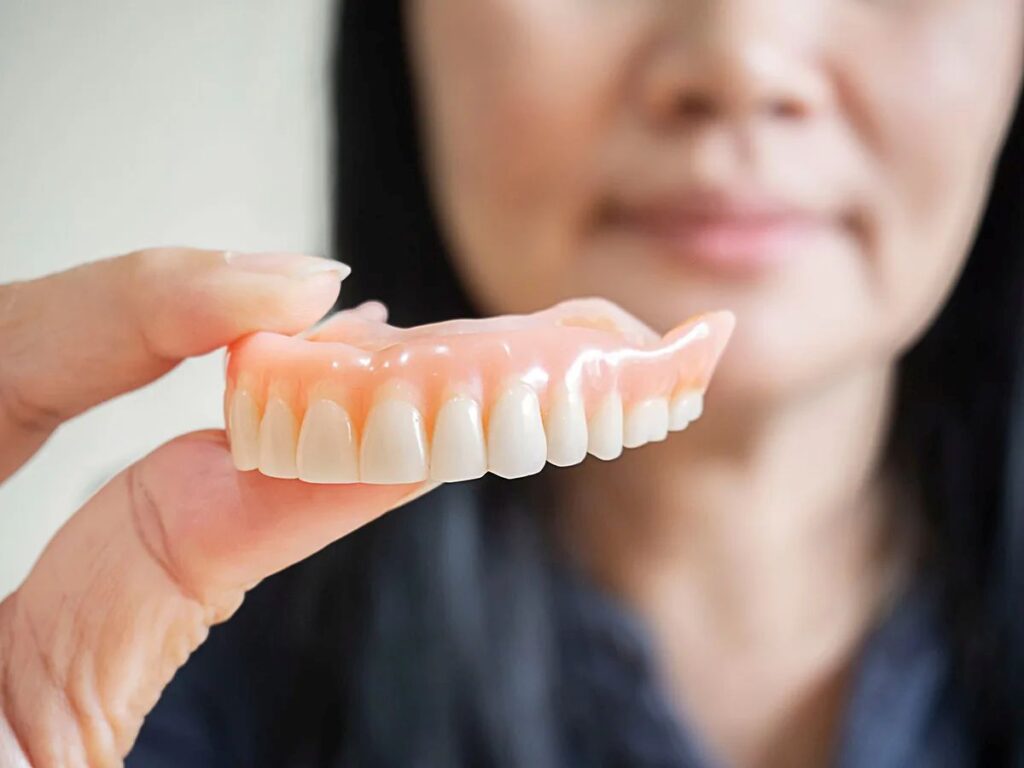
Dentures don’t last forever, and most people wonder when they’ll need a replacement. The average pair lasts about 5 to 10 years with good care. This guide breaks down what determines how long your dentures will last and how to get the most out of them. From daily cleaning habits to the foods you eat, several factors come into play. If you’re looking for reliable dental care in Plano, understanding denture maintenance can help you make smarter decisions about your oral health.
Average Lifespan of Dentures
Most dentures last somewhere between five and ten years. That range depends on how well you take care of them, how often you wear them, and what they’re made of. Good cleaning habits and proper storage make a big difference. Regular dental appointments help catch problems early, before they become bigger issues. Higher-quality materials tend to hold up longer, so it’s worth asking your dentist about your options. Taking care of your dentures means they’ll stay comfortable and functional for years.
Impact of Daily Care Routine
How you clean your dentures every day affects how long they last. Use a soft-bristled brush and a non-abrasive cleaner to scrub away food particles, plaque, and bacteria. This prevents stains and keeps them smelling fresh. Handle them carefully; dropping dentures on a hard surface can crack or chip them. When you’re not wearing them, store them in water or denture solution to prevent them from drying out and warping. Regular dental visits help make sure they still fit right and stay in good shape.
Influence of Diet and Habits
What you eat and your daily habits play a role in denture longevity. Eating plenty of fiber, lean protein, and calcium supports overall oral health and helps prevent gum issues that can mess with your denture fit. Be careful with sticky or hard foods since they can cause damage over time. Smoking and heavy drinking lead to oral health problems that affect how well your dentures fit and how long they last. Staying hydrated helps keep your mouth from drying out, making your dentures feel more comfortable.
Role of Denture Quality
The quality of your dentures matters more than you might think. Well-made dentures use durable materials like acrylic resin or porcelain that can handle daily chewing and talking without breaking down fast. Precise fabrication methods, like CAD/CAM technology, create a custom fit that reduces discomfort and lowers the risk of oral health problems. Quality dentures resist fractures, chips, and general wear much better than cheaper alternatives. Spending a bit more upfront on dentures from a trusted dental professional usually pays off with longer-lasting results.
Effect of Regular Dental Check-ups
Regular visits to your dentist help your dentures last longer. During these visits, your dentist checks the fit, looks for wear or damage, and addresses any oral health issues that could affect performance. They can adjust the fit so your dentures stay comfortable and don’t cause sore spots. Professional cleanings remove plaque and tartar buildup, which lowers your risk of gum disease and infections. Staying on top of these appointments means your dentures keep working well and your mouth stays healthy.
Environmental Factors and Storage
How you store your dentures when you’re not wearing them matters. Keep them moist in water or a soaking solution to prevent warping. Avoid leaving them near heat sources since extreme temperatures can change their shape. Sunlight causes discoloration, so a dark, cool spot works best. Always put them in a protective container to prevent damage or accidental loss. Clean them regularly with a gentle cleanser and soft brush to keep them in good condition.
Related Topics: