
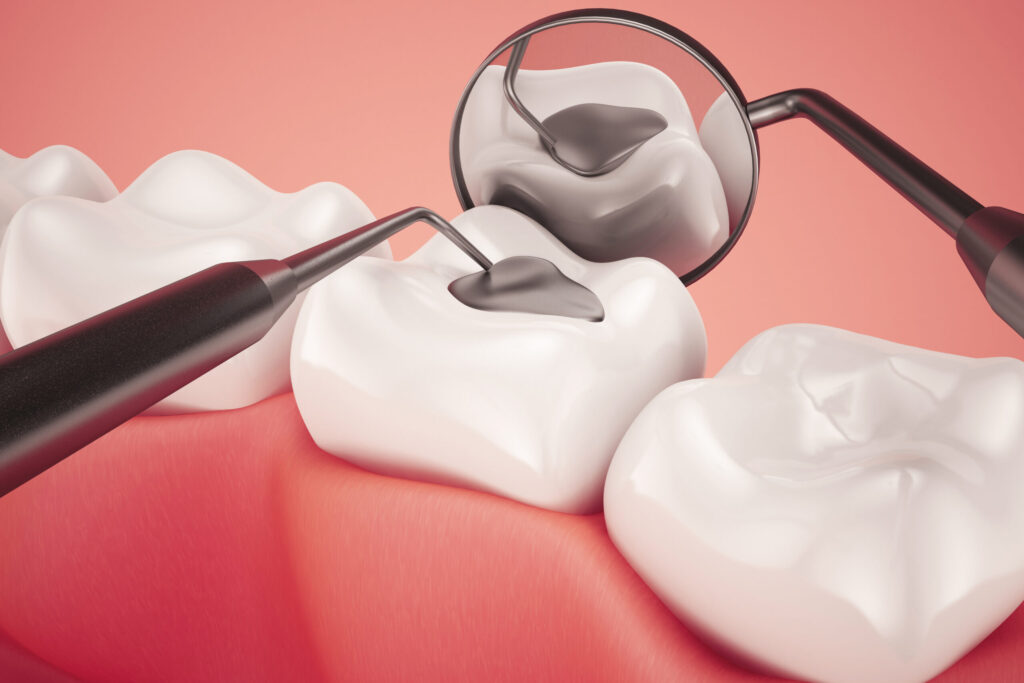
Dental fillings are one of the most common procedures you’ll come across in dentistry. They fix damaged teeth, stop decay from spreading, and help you chew without pain. If you’ve been putting off a visit to an affordable dental clinic in Plano, understanding what fillings involve might ease some of that hesitation. This post covers the different types of fillings, signs you might need one, what happens during the procedure, and how to care for your teeth afterward. We’ll also answer some frequently asked questions at the end.
Importance of Dental Fillings
Dental fillings play a big role in keeping your mouth healthy by repairing damaged teeth and preventing decay from worsening. When a tooth has a cavity or a small crack, a filling restores its shape and lets it function normally again. Sealing off the damaged area keeps bacteria out and prevents bigger problems, such as infections or abscesses, down the line. Fillings also strengthen the tooth so you can chew and talk without issues. Regular dental checkups catch problems early, which can save you from losing a tooth entirely. Fillings help keep your teeth strong and your smile intact for years.
Types of Dental Fillings
There are several filling materials used to fix cavities and minor fractures:
- Amalgam fillings: Durable and budget-friendly, but silver-colored and more noticeable.
- Composite fillings: Match your natural tooth color for a seamless look.
- Gold fillings: Known for lasting a long time and holding up well under pressure.
- Ceramic fillings: Resist stains and work well with gum tissue.
Each type has its own strengths, making some better suited for certain situations than others. Your dentist can help you determine which option best fits your needs and budget.
Signs You Need a Filling
Sensitivity to hot or cold foods often signals that you might need a filling. Pain when you bite down, visible holes or pits in your teeth, or a persistent toothache are other common signs. Staining on the tooth surface or rough edges you can feel with your tongue can also point to a cavity. Regular dental checkups help detect these issues before they become bigger problems. Ignoring these symptoms can lead to more serious dental work later. If you notice any of these warning signs, schedule an appointment to get it checked out.
Procedure for Getting a Filling
The dentist starts by numbing the area around the tooth so you won’t feel any pain during the procedure. Here’s what happens next:
- Preparation: The dentist isolates the tooth using a rubber dam or cotton rolls to keep it dry.
- Removing Decay: A drill removes the decayed portion of the tooth.
- Cleaning: The area gets thoroughly cleaned to remove any leftover debris.
- Filling Placement: The dentist places the filling material, shapes it, and restores the tooth’s appearance and function.
The whole process usually takes less than an hour, depending on how much work the tooth needs.
Aftercare Tips for Fillings
Taking care of your fillings helps them last longer. Avoid chewing hard foods directly on the filled tooth right after the procedure to prevent damage. Brush twice a day and floss daily to keep your fillings and surrounding teeth in good shape. Regular dental checkups let your dentist monitor your fillings and catch any issues early. If you feel discomfort or sensitivity around the filled tooth, contact your dentist right away. Skip habits like nail-biting or pen chewing, as these can put extra pressure on your fillings. Following these steps helps your fillings stay strong for years.
FAQs About Dental Fillings
Here are answers to some common questions about dental fillings:
- How long do dental fillings last? Fillings typically last between 5 and 15 years, depending on the material and how well you maintain your oral hygiene.
- Are there different types of dental fillings available? Yes, fillings come in amalgam, composite resin, gold, and ceramic options.
- Do dental fillings hurt? Your dentist numbs the area during the procedure, so you shouldn’t feel pain. Some sensitivity afterward is normal.
- Can I eat normally after getting a dental filling? Wait until the numbness wears off before eating so you don’t accidentally bite your cheek or tongue.
Related Topics: