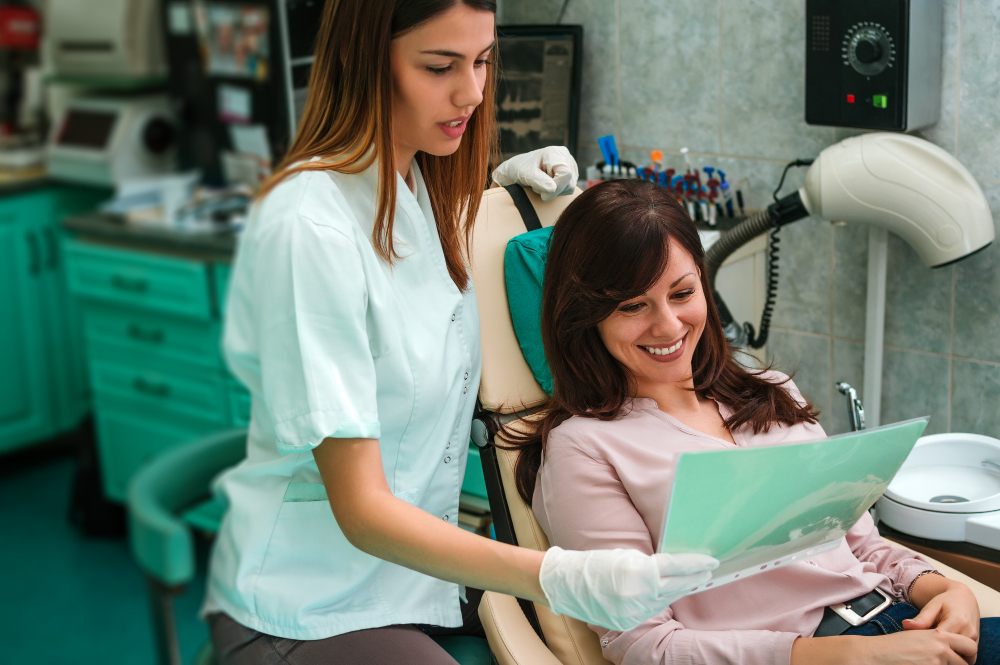

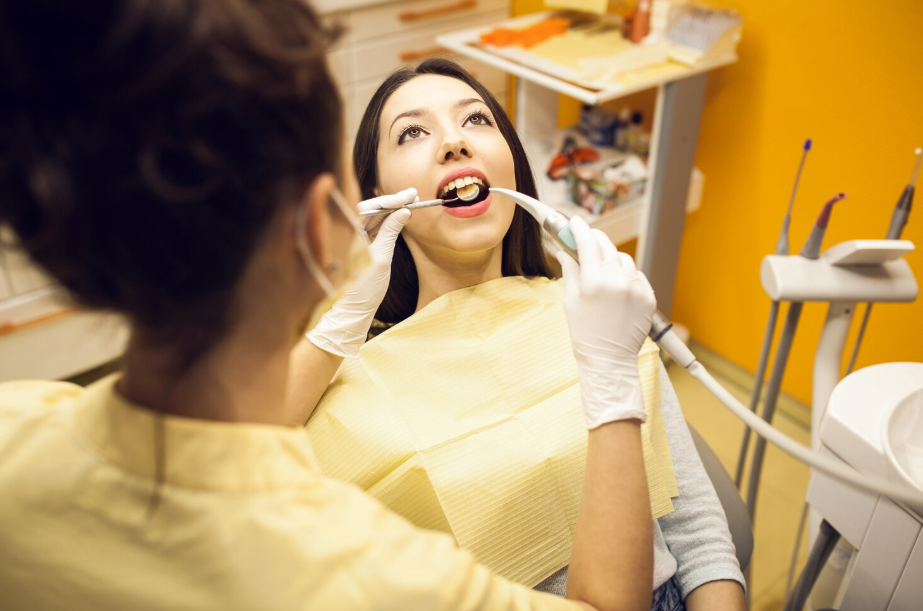
A typical dental cleaning usually takes anywhere from 30 to 60 minutes. It depends on your teeth and gums that day, how much tartar has built up, and whether any extra treatments are needed. Some people breeze through a cleaning, while others spend a bit more time getting everything just right. Chatting with skilled dentists can give you a better sense of what to expect for your own appointment.
It’s interesting how much goes into it once you break it down. There’s more than just scraping and polishing; the hygienist is checking gums, teeth, and overall oral health while making sure everything is comfortable. Even if it seems like a short visit, a lot is happening behind the scenes. If your next dental cleaning in Plano, TX is coming up, our checkup and cleaning service page explains the full visit beyond just how long it takes.
Factors Affecting Cleaning Duration
A bunch of stuff decides how long a cleaning takes. If you brush and floss regularly, it’s quicker. If you’ve skipped a few days or weeks, well, it’ll take longer.
Plaque, tartar, cavities, and gum issues, they all slow things down. Deep cleanings or scaling take extra time, obviously. So don’t be surprised if your neighbor’s cleaning takes half an hour and yours stretches a bit. Everyone’s mouth is different.
Pre-Cleaning Procedures
Before the real cleaning, there’s a bit of prep. They usually check your medical history and your brushing habits and take a quick peek at your teeth and gums. Sometimes X-rays are taken if something looks weird.
Gum pocket measurements are another thing to see if there’s early gum disease. It’s not exciting, but it makes the cleaning go smoother. So, yeah, a little boring, maybe, but necessary.
Steps During the Cleaning Process
Then comes the actual cleaning. Plaque and tartar get scraped off, usually with a little vibrating tool. It tickles sometimes, so be ready.
Next, teeth are polished, then flossed to make sure nothing is hiding in the cracks. Fluoride often goes on at the end, and the hygienist might tell you a tip or two about brushing. It’s routine, but it all adds up to keeping your smile healthy.
Time Frame for Routine Cleanings
Most regular cleanings fall in that 30–60 minute range. That depends on your mouth, whether you need a little extra polish or just a normal session.
The hygienist cleans, flosses, polishes, and maybe talks about habits. Doing it regularly saves headaches later, and honestly, your teeth feel cleaner than you think.
Extended Cleaning Sessions
If gum disease or serious tartar is present, expect longer sessions. Deep cleanings can take 60–90 minutes for one section of the mouth.
The hygienist cleans above and below the gumline, which sounds intense, and it is. It’s worth the time if you want to stop problems before they get worse.
Post-Cleaning Recommendations
After cleaning, wait 30 minutes before eating so the fluoride sticks. Brush and floss gently, then carry on with your routine.
Try brushing twice a day, flossing daily, and using mouthwash. Schedule checkups every six months to catch anything early: small habits, big results.
Related Topics: