
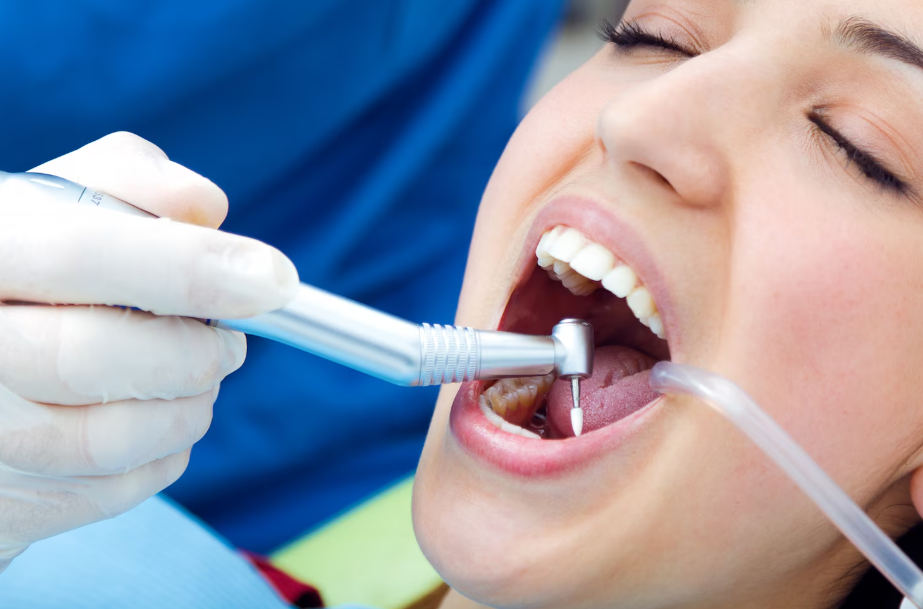
After a dental cleaning, it’s usually a good idea to wait at least 30 minutes before eating. This little pause gives the fluoride treatment time to do its thing and really stick to your teeth. Think of it as giving your enamel a chance to soak up the protection. If you want a bit more guidance or tips on getting the most from your cleaning, a professional dental clinic can walk you through it, and you’ll probably pick up a trick or two along the way.
Some people don’t mind grabbing a snack right away, but eating too soon can undo some of the benefits. The fluoride needs just a bit of time to form that protective barrier, and that barrier is what keeps your teeth strong against cavities. Waiting a little while might seem minor, but it actually matters more than you might think.
Immediate Post-Cleaning Period
Right after your cleaning, the first 30 minutes are the critical window. This is when the fluoride is settling in, doing its job of reinforcing enamel. Eating or drinking anything other than water during this time can wash it away before it’s had a chance to work.
It’s simple, but it really helps to think of this as giving your teeth a tiny boost. The small delay makes a noticeable difference over time. Just a little patience now means fewer problems later, and that’s worth it.
First 30 Minutes
During the first half hour, avoid snacks or meals. Fluoride needs this short window to get into the enamel and strengthen it, which helps fight off decay. Skipping this step is like pouring paint on a wet surface; it just doesn’t stick as well.
If you treat your teeth kindly right after a cleaning, it pays off in the long run. Even something as simple as holding off for 30 minutes can keep your teeth happier and healthier. It’s a small habit, but it actually makes a big difference over time.
One Hour After Cleaning
Some people wonder if waiting a full hour helps. It does, especially if you want to be extra cautious. By giving fluoride that extra time, you let it bond more effectively to your teeth, creating a stronger layer of protection.
Even if you feel tempted to eat sooner, waiting can reduce the risk of cavities. Your teeth get a little more defense, which adds up over months and years. Think of it as investing in your future smile, worth the tiny bit of delay.
Two Hours Later
Two hours after a cleaning is when it becomes more flexible. By this point, the fluoride has mostly done its work. Eating anything now is usually fine, but if you stick with softer, non-sticky foods, your teeth will thank you.
This extra time also gives your mouth a chance to calm down from the cleaning itself. It’s a small thing, but keeping your routine gentle right after a cleaning helps you maintain a fresh, healthy mouth.
After Four Hours
After about four hours, you’re pretty safe to eat normally. The fluoride has had plenty of time to work, so your enamel is strengthened and protected. You can enjoy your meals without stressing about undoing your dental cleaning.
Just remember, it’s not about perfection; it’s about giving your teeth a chance to benefit fully from the cleaning. Following this timing helps your dental visits really pay off, which makes the next check-up a little less worrisome.
Long-Term Eating Guidelines
Over the long term, what you eat matters just as much as how you care for your teeth. Foods with calcium, like dairy or leafy greens, help reinforce enamel. Sugary or acidic foods, on the other hand, can wear enamel down, so it’s smart to limit those.
Drinking plenty of water and eating fibrous foods helps keep your mouth clean naturally. These little choices add up, helping your teeth stay strong and your smile bright for years. Pairing good habits with regular check-ups at a professional dental clinic really makes a difference.
Related Topics: