
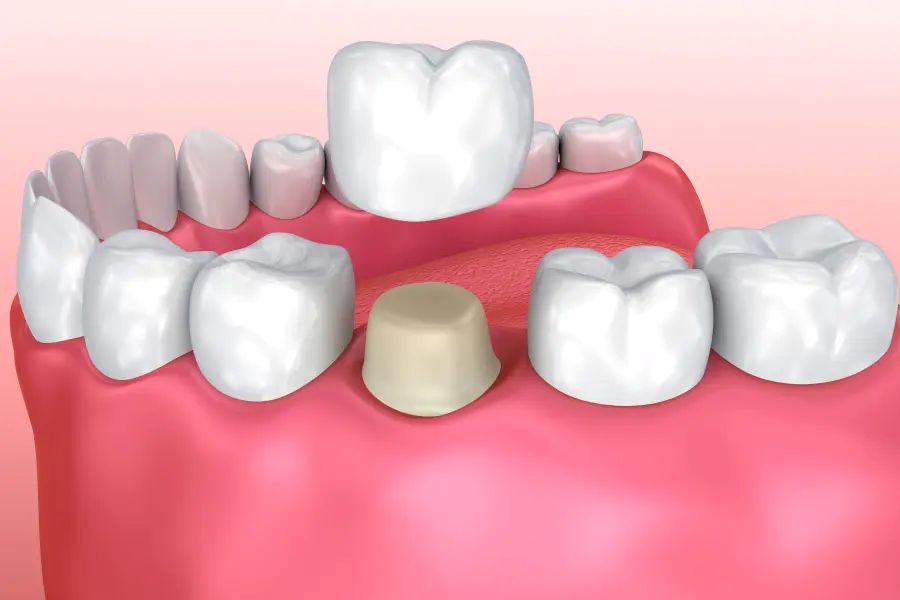
Dental crowns are a common fix for damaged or weakened teeth, but they don’t last forever. How long yours lasts depends on a few key factors worth understanding before you get one. Dependable dental services can help you pick the right crown material and maintain it properly over time. This post covers factors that affect crown lifespan, warning signs to watch for, and habits that can make or break your restoration. Knowing what to expect helps you take better care of your investment.
Factors Affecting Crown Longevity
The quality of materials used to make your crown has a big impact on how long it lasts. High-quality options like porcelain fused to metal or zirconia hold up better over time compared to cheaper alternatives. The dentist’s skill in placing the crown matters, too; proper tooth prep, accurate impressions, and precise fit all play a role in how well the crown performs. Maintaining good oral hygiene habits, such as brushing, flossing, and regular dental visits, helps protect the crown and prevent problems that could cut its lifespan short. Paying attention to these factors gives your crown the best shot at lasting.
Average Lifespan of Dental Crowns
Most dental crowns last somewhere between 5 and 15 years. The exact timeline depends on the material, how well you care for your teeth, and how accurately the crown was placed. Crowns made from tougher materials like zirconia or porcelain-fused-to-metal tend to outlast those made from weaker stuff. Good brushing and flossing habits, along with regular dental checkups, can stretch that lifespan even further. Some crowns make it past 15 years, but you’ll want to keep an eye on them as they age. Catching wear early means you can address issues before they become bigger problems.
Signs of Crown Wear and Tear
Keeping tabs on your crown helps catch problems before they get worse. Here’s what to look for:
- Fractures: Visible cracks in the crown may indicate that the material is breaking down.
- Discoloration: Color changes, especially near the gum line, may signal that the crown is wearing down.
- Sensitivity: If hot, cold, or sweet foods suddenly bother the crowned tooth, something might be wrong with the crown or the tooth beneath it.
- Looseness: Any wobbling or movement means you should get it checked right away to avoid further damage.
Maintenance Tips for Longevity
Taking care of your crown doesn’t require anything complicated. Brush with a non-abrasive fluoride toothpaste and floss daily to help prevent decay under the crown. Stay away from chewing ice or using your teeth to open packages. These habits put stress on the crown and can cause damage. Go in for regular dental checkups so any issues get caught early. If you grind your teeth at night, a nightguard can protect both your natural teeth and your crowns. Stick to these basics, and you’ll get the most life out of your restoration.
Impact of Oral Habits on Crowns
Your daily habits can make or break how long your crown lasts. Here are four things to keep in mind:
- Teeth Grinding: Grinding (also called bruxism) puts heavy pressure on crowns, which can wear them down or crack them over time.
- Using Teeth as Tools: Opening packages or biting down on hard objects can damage the crown’s structure.
- Eating Hard Foods: Snacking on nuts, hard candy, or ice raises the risk of chipping or breaking your crown.
- Skipping Oral Care: Poor brushing and flossing can lead to decay around the crown’s edges, weakening the entire crown.
When to Replace Dental Crowns
Crowns are built to last, but they’re not permanent. A few signs point to the need for replacement: visible cracks, chips, or fractures in the crown; decay forming around the edges; changes in sensitivity; or a crown that doesn’t fit as well as it used to. Regular dental visits help track the condition of your crown over time. If your dentist spots any of these issues, they’ll likely recommend replacing it before things get worse. Getting a new crown when needed protects the tooth underneath and prevents more extensive dental work down the road.
Related Topics: