
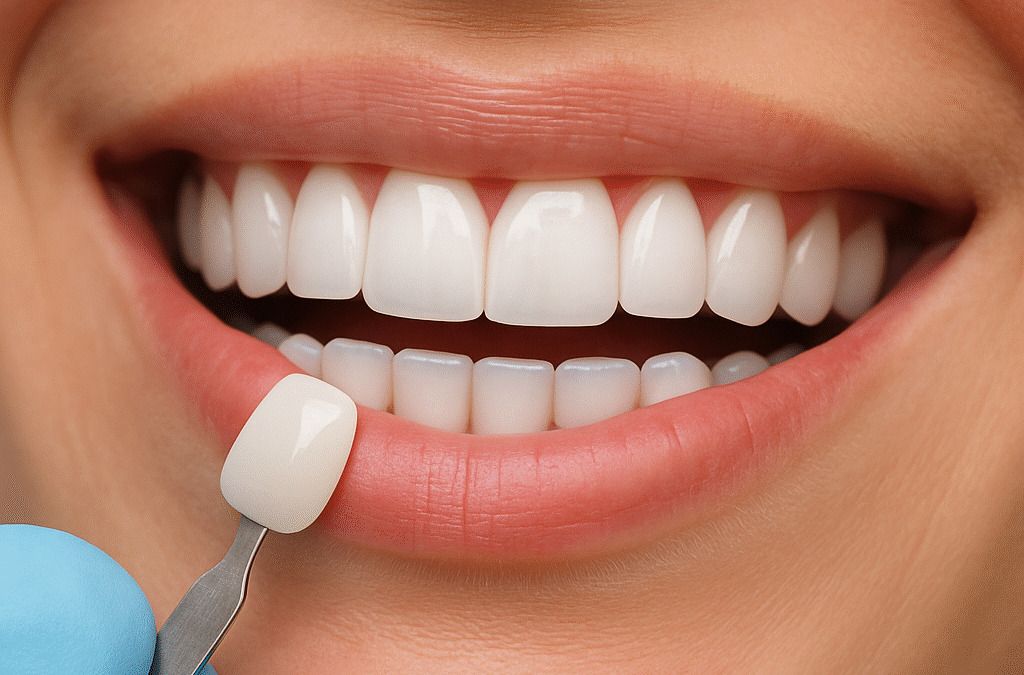
If you’ve ever looked in the mirror and wished your teeth looked a little different, you’re not alone. Chips, stains, gaps, and uneven teeth are common concerns that affect how people feel about their smiles. Dental veneers have become one of the most popular ways to fix these issues without major dental work. A dependable dental clinic can walk you through the entire process and help you decide if veneers are right for you. This post breaks down what veneers are, the different types available, how they’re placed, and what it takes to keep them looking great.
Types of Dental Veneers
There are a few veneer options, and understanding the differences can help you pick the one that works best for you. Porcelain veneers are the most common choice because they’re durable, look natural, and resist stains well. Composite resin veneers cost less upfront but don’t last as long and can stain over time. Instant veneers are prefabricated and can be placed in a single visit, making them suitable for quick fixes of minor cosmetic issues. Lumineers are ultra-thin and require little to no tooth prep, making the process reversible if needed. Each type has its pros and cons, so talking to a dental professional helps narrow down the best fit.
The Process of Getting Veneers
Getting veneers involves a few steps to make sure everything fits and looks right. It starts with a dental visit where your dentist checks your oral health and talks through what you want to achieve. From there, a treatment plan is built, sometimes including digital impressions or mock-ups, so you can see what the final result might look like. Next, a small amount of enamel is removed from your teeth so the veneers sit flush. The custom veneers are then made in a lab based on your exact specifications. Once ready, they’re bonded to your teeth for a natural, polished look.
Cosmetic Benefits of Veneers
Veneers can address many smile concerns at once. They cover up discoloration, chips, cracks, and gaps to give teeth a smooth, even appearance. You also get to choose the shade, shape, and size of your veneers, so the result matches what you’re going for. Veneers can even out asymmetry and alignment issues, creating a more balanced smile overall. The result looks natural and blends in with your facial features. For many people, that kind of change does wonders for their confidence.
Durability and Longevity
Veneers are built to last. They’re made from strong materials like porcelain or composite resin, both of which hold up well against everyday use and staining. With proper care, veneers typically last 10 to 15 years. Maintaining oral hygiene and avoiding habits like teeth grinding can further extend that lifespan. Even though they’re thin, veneers can handle normal chewing and daily wear without issues.
Maintenance and Care Tips
Taking care of veneers isn’t complicated, but it does require consistency. Brush with a non-abrasive toothpaste, floss daily, and use mouthwash to keep everything clean. Avoid biting down on hard objects, chewing ice, or using your teeth to open packages; all of that can cause chips or cracks. Regular dental checkups let your dentist catch wear and other problems early. Cutting back on staining substances like coffee, tea, and tobacco helps keep veneers looking fresh longer.
Potential Risks and Considerations
Veneers are strong, but they’re not indestructible. Biting on hard objects or grinding your teeth can cause chips or breaks over time. Poor oral hygiene can lead to gum disease, which can shorten the lifespan of your veneers. Habits like nail-biting or using teeth as tools should be avoided. Staying on top of dental visits and professional cleanings, and limiting staining substances, will help your veneers stay in good shape for years.
Related Topics: