
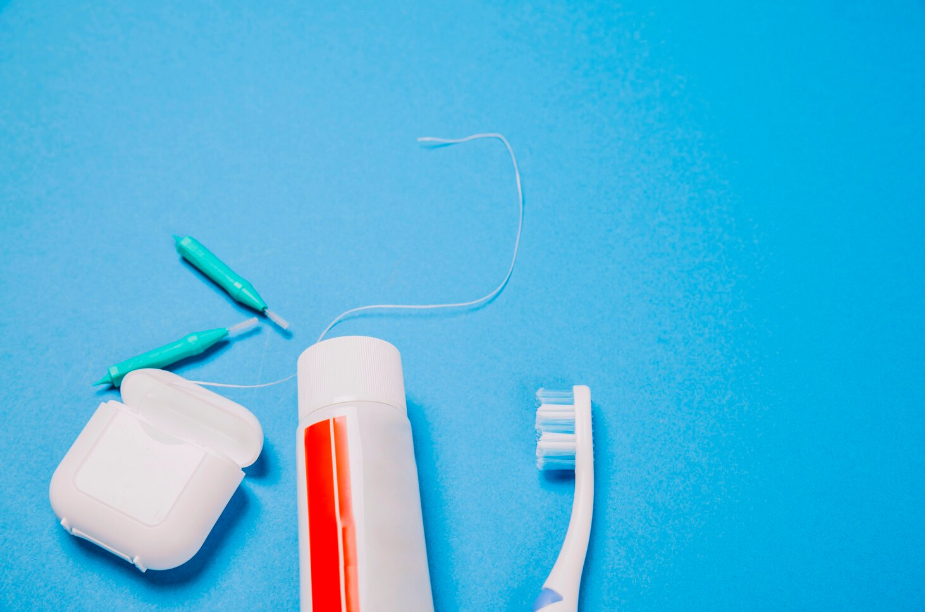
Getting the hang of dental floss can really change how you take care of your teeth. Picking the right type of floss and learning how to use it properly makes a noticeable difference. There’s a lot out there: nylon, PTFE, and even disposable floss picks for when you’re rushing around. And honestly, it’s not just about cleaning; it’s about avoiding gum problems, bad breath, and those annoying little nooks where food likes to hide. Talking with a trusted dental clinic in Plano, TX, can help you figure out which floss type and technique will work best for your smile.
Flossing might seem like a small thing, but it adds up. A few minutes a day keeps your gums happy and, you know, prevents bigger issues down the road. Flossing tools and some common tips can make it easier, especially if you’re starting or if your teeth are tricky to reach. Different tips and tricks suit kids, teens, and adults differently, which is neat when you think about it.
Types of Dental Floss
There are quite a few floss options out there, and each one has its perks. Nylon floss is classic, comes waxed or unwaxed, and works well for normal spacing or tighter teeth. Then there’s PTFE, sometimes called glide floss, which slides between teeth without shredding.
For folks with braces or bridges, floss threaders are a lifesaver. They get under dental work easily. Woven floss has multiple strands, giving a bigger cleaning surface. Disposable floss picks are handy if you’re on the go and need something quick. Knowing your floss type can make your routine smoother and keep your teeth cleaner.
Benefits of Flossing
Flossing is more than just a chore; it actually keeps your teeth healthy. It clears out food and plaque that your toothbrush can’t reach, which stops gum problems before they start. Gums stay healthier, and bad breath gets a lot less noticeable, too.
Over time, flossing prevents tartar buildup, which saves you from more complicated treatments down the line. Doing it regularly helps your whole mouth feel fresher, cleaner, and just better overall. It’s a few minutes a day, but it really adds up.
Proper Flossing Techniques
The trick is knowing how to actually floss properly. About 18 inches of floss works well. Wind most of it around your middle fingers and leave a little to work with. Hold it tight between your thumbs and index fingers and slide it gently between your teeth.
Curve it around each tooth in a ‘C’ shape and go just under the gum line. Make sure to clean both sides of every tooth and use a new section of floss for each space. Doing it right keeps your gums from bleeding and removes plaque more effectively.
Flossing Tools and Accessories
Flossing doesn’t have to be boring, and tools can help. Floss comes in waxed, unwaxed, tape, and even flavored types. Threaders are great if you have braces or bridges. Interdental brushes reach tight spaces that floss sometimes misses.
Water flossers use a little water pressure to get rid of leftover food, and tongue scrapers tackle bacteria on the tongue. Mixing in a tool that works for you can make flossing quicker and less frustrating.
Common Flossing Mistakes to Avoid
Some mistakes sneak in without realizing it. Using too little floss is one of them; you end up just moving bacteria around. Being rough can hurt gums.
Skipping teeth, especially the back ones, or snapping floss between teeth can cause bleeding. And rushing? That’s a biggie. Taking your time actually matters. Avoid these, and your flossing will actually do what it’s supposed to.
Flossing Tips for Different Ages
Flossing looks different depending on age. Kids often do better with picks, which are easier to handle and a little more fun. Teenagers with braces may need threaders or water flossers. Adults stick to traditional floss or brushes, and older adults might want softer floss for sensitive gums.
No matter your age, consistency is what matters most. Doing a little every day keeps teeth cleaner and gums healthier. Making it a habit early helps a lot later on.
Related Topics: